
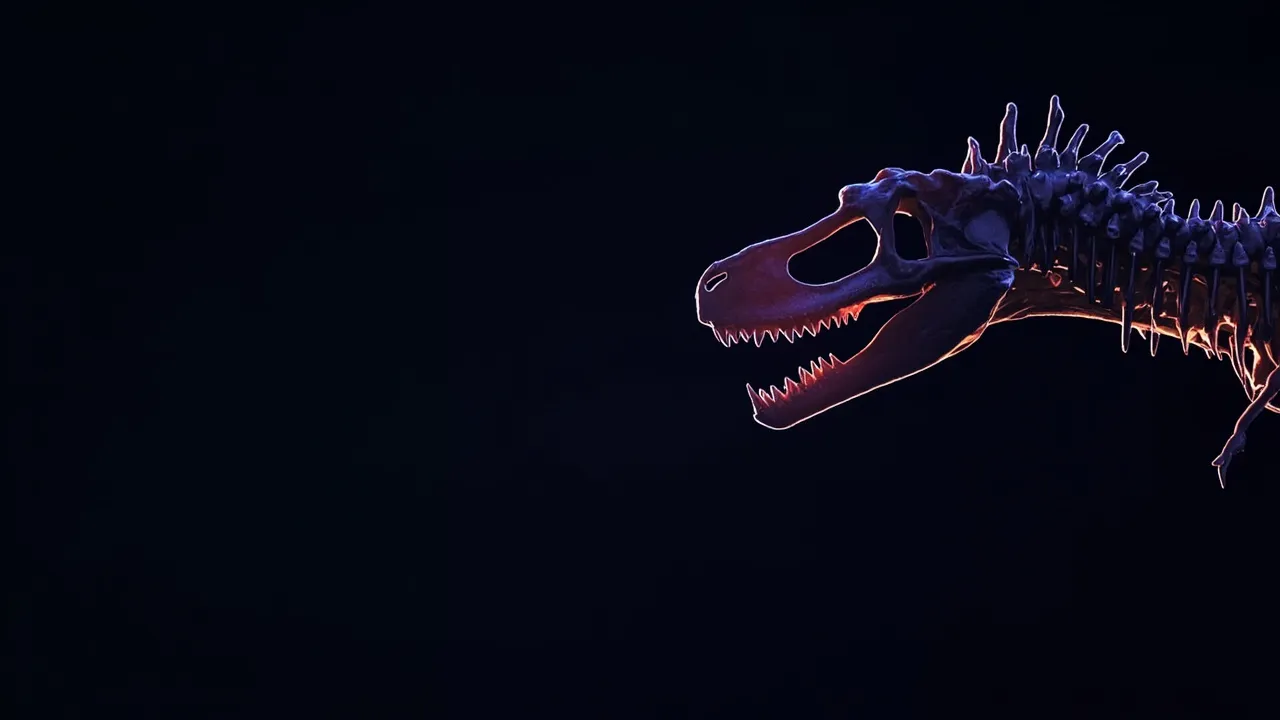
That Time a "Forgotten" Dinosaur Skull Changed Everything We Knew
I'm not gonna lie — when I first saw the name Invictabellatrix amberina, I had to giggle a little. Even if you can't figure out how to say it, the vibe is pretty clear: this thing's name basically means "unbeatable warrior." And honestly? That tracks.
Imagine This Scene
Flashback to 120 million years ago. You're somehow wandering around what we now call the Isle of Wight — yep, that little British island. Suddenly, a three-meter beast comes padding through the bushes. It's got massive curved claws, maybe some feathers, and it spots something roughly your size.
Here's the unsettling part, according to the researchers who studied this fossil: you would have been ideal lunch for this creature. Contrast that with a T. rex, which weighed literal tons and would have shrugged you off as not worth the effort. But Invictabellatrix? That thing would have sprinted after you without a second thought.
Comforting, right?
A Fossil Nobody Bothered With
Now here's what really blows my mind. That fossil — just a tiny piece from the back of a skull — was picked up all the way back in 1924. It ended up at London's Natural History Museum. And then... nothing. For nearly a century, it sat forgotten in a drawer.
Think about that for a sec. This little fragment was there through world wars, the moon landing, the rise of smartphones — all while gathering dust, completely ignored by science.
Cut to recently. A team at University College London decided to take another look using modern CT scanning. No need to crack open the fossil; they could just peer inside digitally. That's when it hit them: this was something entirely new to science.
So What Exactly Are Megaraptorans?
Invictabellatrix falls into the megaraptoran family, and honestly, these dinosaurs are kind of enigmatic. Remains have shown up in Australia, South America, and Asia — but until now? Zero solid evidence of them in Europe.
What set these predators apart from, say, a T. rex? It's a pretty different design. Tyrannosaurs were all about huge skulls and bites that could crush bone. Megaraptorans? Different blueprint. They had slimmer skulls, absurdly strong arms, and those trademark curved claws stretching up to 20 centimeters.
Picture raptors' bigger, nastier relatives — except these weren't bird-sized. They were full-blown predators, and some grew massive enough to rival tyrannosaurs in overall body mass.
Finding Invictabellatrix in Britain tells us something important: Europe acted like a sort of dinosaur highway, letting these creatures spread from Asia toward what would eventually become the southern continents. The researchers are calling it the "first proof" that megaraptorans took this northern route instead of island-hopping further south.
Why Should Any of Us Care?
Besides the obvious thrill of "hey, we found a new dinosaur," this discovery helps paleontologists untangle one of the trickier questions: how did different dinosaur groups end up scattered across the ancient world?
Megaraptorans are scarce in the fossil record, which makes their history hard to piece together. Every new find — especially something as informative as a skull fragment — adds another piece to the puzzle of how life on Earth evolved and moved around over millions of years.
Dr. Cassius Morrison, who headed up the study, put it nicely: "It's genuinely puzzling that this fossil got overlooked for so long."
And honestly? He's spot-on. The Isle of Wight is absolutely loaded with dinosaur fossils. Who's to say what's sitting in museum collections right now, just waiting for someone curious enough to look twice?
That's the thing about scientific progress — it doesn't only come from digging up new stuff in the field. Sometimes it comes from taking a fresh look at what everyone's already walked past.
Next time you're wandering through a museum, maybe spare a thought for what secrets might be hiding in those back drawers.