
The Mystery of Mushy Mushrooms Finally Solved
If you've ever grabbed a pack of pristine white mushrooms from the store only to find them covered in ugly brown spots a day or two later, you're not alone. And here's the wild part — scientists have been baffled by this exact issue for over a century. But they finally cracked the case, and honestly? The answer is way more complicated than anyone expected.
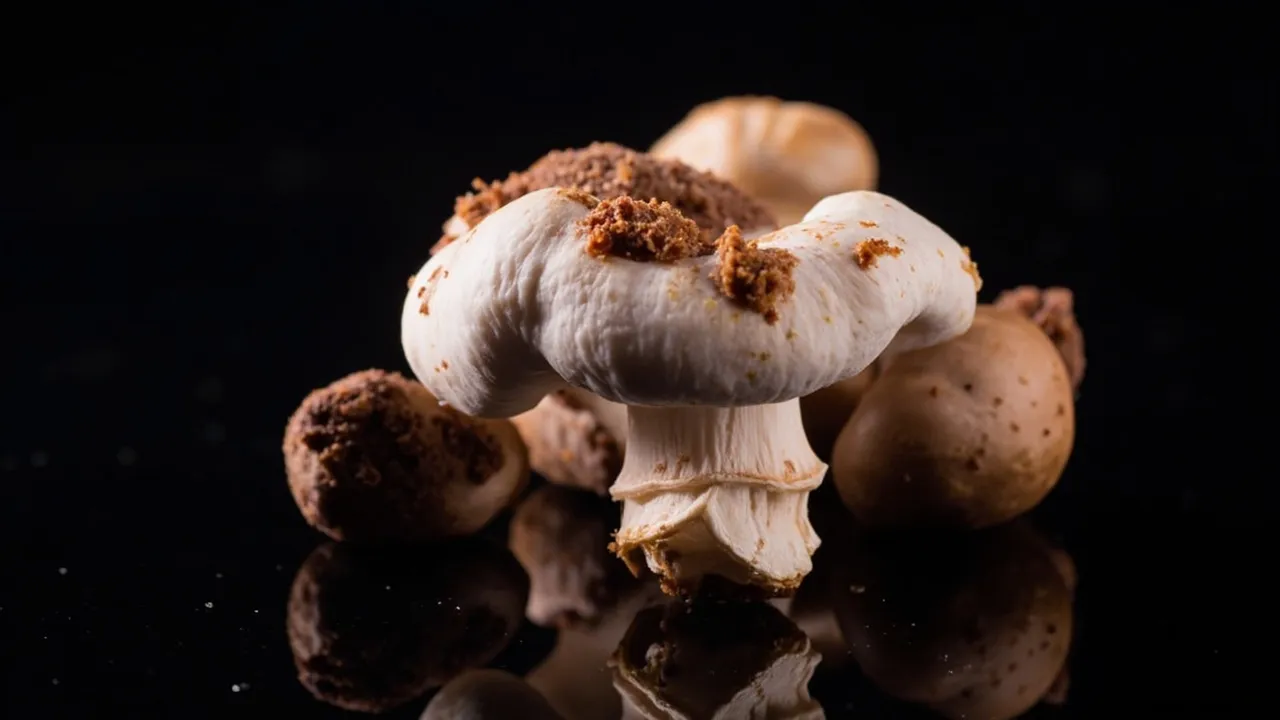
White button mushrooms — the same ones probably sitting in your refrigerator right now — suffer from something called "bacterial blotch." Those unwelcome brown or yellow patches don't just make them look unappetizing; they can destroy entire harvests and cost farmers serious money.
The Plot Twist Nobody Expected
Here's where things get juicy. For over 100 years, researchers assumed a single bacterial culprit was causing all the damage. Classic case of looking for one villain, right?
Well, scientists at the University of Florida recently ran some advanced genetic tests on infected mushrooms and discovered something mind-blowing: seventeen different bacterial species were involved. Not one troublemaker — a whole bacterial neighborhood creating chaos.
Think about that number. Seventeen. It's like finding out your ant problem isn't one stray ant but an entire colony you never knew existed.
Why This Explains So Much
This changes everything for mushroom farmers. When you think you're fighting one specific enemy, you develop weapons aimed directly at it. But seventeen different bacteria, each with their own behaviors and weak spots? That's a much harder puzzle to solve.
The researchers found that while two well-known bacteria were indeed present and causing issues, there was this whole hidden crew operating under the radar. Nobody had connected these species to the disease before. They were just hanging out, making things worse while scientists focused on the usual suspects.
This complexity explains why previous treatments have mostly failed. Spray something that kills one type of bacteria, and the other sixteen keep right on thriving.
What This Means for Your Wallet
Here's the practical impact beyond the science. Bacterial blotch doesn't just ruin appearances — it cuts crop yields and makes mushrooms go bad faster. The result? Higher prices at the store and more food ending up in the trash.
And here's the really frustrating part: sometimes those spots don't even appear until after mushrooms reach the store or your kitchen. Imagine being a farmer trying to maintain quality when the damage only shows up after you've already shipped everything out. That's enough to make anyone want to quit.
The Silver Lining
Researchers aren't giving up though. This discovery is actually a major breakthrough. Now that they understand the real scope of the problem, they can build better diagnostic tools that can identify all the bacterial threats, not just the obvious ones.
There's even a $7 million USDA grant funding teams from multiple universities working together on sustainable solutions. When science collaborates like this, progress tends to follow.
The goal is straightforward: create detection methods and treatments that can handle the full bacterial lineup, not just a couple of the usual suspects.
The Bigger Picture
I find stories like this genuinely exciting because they show how science actually works. For over a century, everyone was confident they knew what they were dealing with. One pathogen, one problem, one solution waiting to be discovered.
But nature rarely cooperates with our assumptions, does it?
This research reminds us that when we're dealing with living systems — whether it's bacteria, ecosystems, or human health — our initial guesses can be completely off. The obvious answer isn't always correct, and sometimes the real truth has been hiding in plain sight, just waiting for someone to look more carefully.
So the next time you're picking out mushrooms at the store, give those little white buttons a moment of appreciation. Behind their simple appearance lies a complex battle between farmers and bacteria that scientists are only now beginning to truly understand.
And honestly? That's pretty mushroom for thought. (Okay, I'll stop now.)