
Okay, I need to tell you about something that made me genuinely grin like an idiot while reading about it.
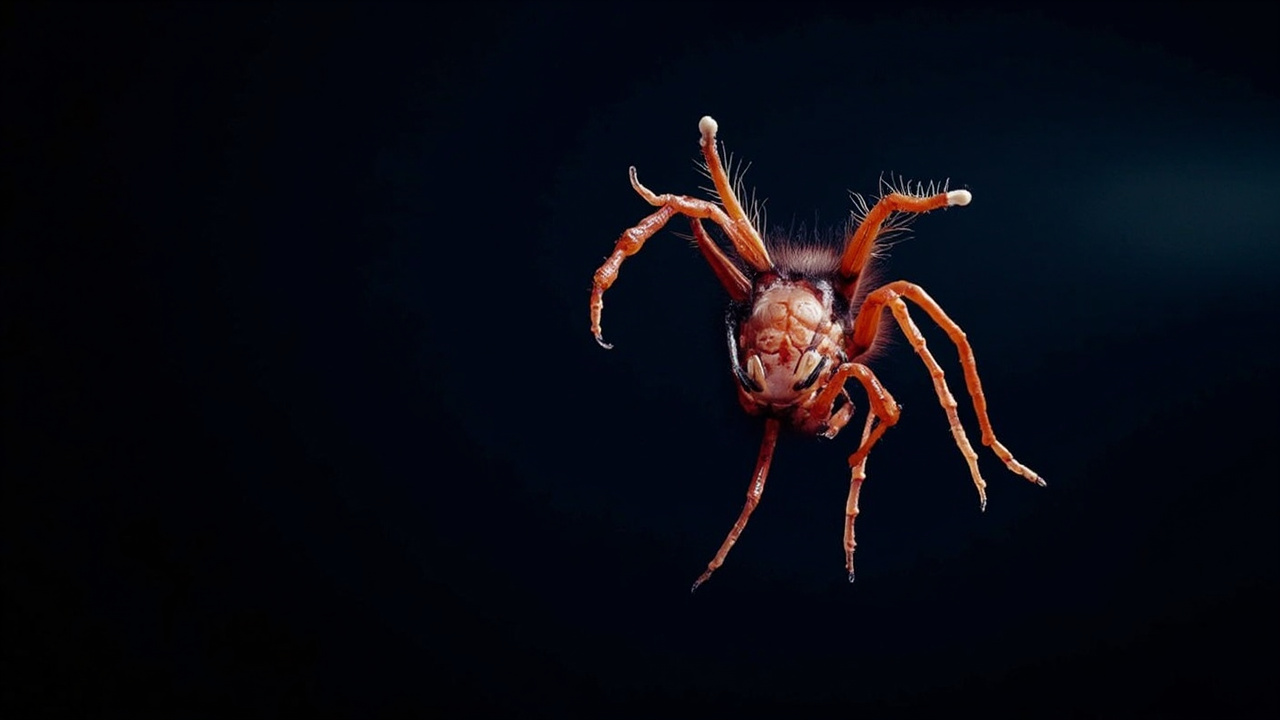
Remember The Last of Us? That HBO show where a brain-controlling fungus turns humanity into mindless creatures? Well, here's the thing — that nightmare fuel is very real. There's a fungus called Ophiocordyceps (try saying that three times fast) that infects ants, takes over their brains, and forces them to climb to the highest point possible before exploding with spores. It's gruesome. It's horrifying. It's exactly as terrifying as it sounds.
But here's where it gets beautiful.
Nature, in all its chaotic wisdom, decided that even the most gruesome parasites need a check on their power. And that check comes in the form of... another fungus.
Scientists in Malaysia just discovered a brand new species called Pleurocordyceps cornusynnemata — and honestly, I hope they had fun naming it. This little beauty has these absolutely wild horn-like structures (hence "cornus" in the name, which is Latin for "horn"). What does it do with these horns? It hunts down the zombie fungus and infiltrates it directly, feeding on the Ophiocordyceps tissue inside its host ant.
Rather than manipulating the insect's nervous system itself, this new fungus infiltrates and feeds directly on the thriving Ophiocordyceps tissue inside the host.
Let me just... sit with that for a moment. The zombie fungus, which has evolved to be absolutely vicious and controlling, has its own predator. It's like finding out that sharks have their own dedicated hunter. It's the ecosystem's way of saying, "Okay, you were too good, now it's someone else's turn."
What's really fascinating to me is that this isn't some new-fangled evolutionary development. Hyperparasitism — which is exactly what it sounds like, parasites that eat other parasites — actually evolved during the Jurassic period. We're talking hundreds of millions of years of this biological arms race happening right under our noses (or, more accurately, under ants' noses).
And get this: scientists found three species of this fungus-hunting fungus in Malaysia for the first time during this study. Malaysia is apparently a hotspot for these hyperparasites, with 26 members of the genus already recorded across the region.
But here's where it gets actually useful for us humans. Some hyperparasites are being used as biofungicides in agriculture. One called Coniothyrium minitans specifically targets a pathogen that causes white mold in crops. So in a way, the horror movie happening inside ant brains is helping us grow better beans.
I don't know about you, but I find this deeply satisfying. There's something almost poetic about the world's most terrifying parasite getting a taste of its own medicine. The zombie fungus is out here playing puppeteer with poor innocent ants, and then suddenly — boom — it becomes prey itself.
Nature is absolutely unhinged in the best possible way. And honestly? We need more stories like this. Yes, the world is full of parasites and diseases and horrifying fungi that control minds. But it's also full of systems that keep those horrors in check. The world is stranger and more balanced than we often give it credit for.
Now excuse me while I go appreciate that my brain is too hot and my immune system too advanced to fall prey to any of this. Small mercies.
Source: https://www.popularmechanics.com/science/animals/a71684506/hyperparasite-fungus