
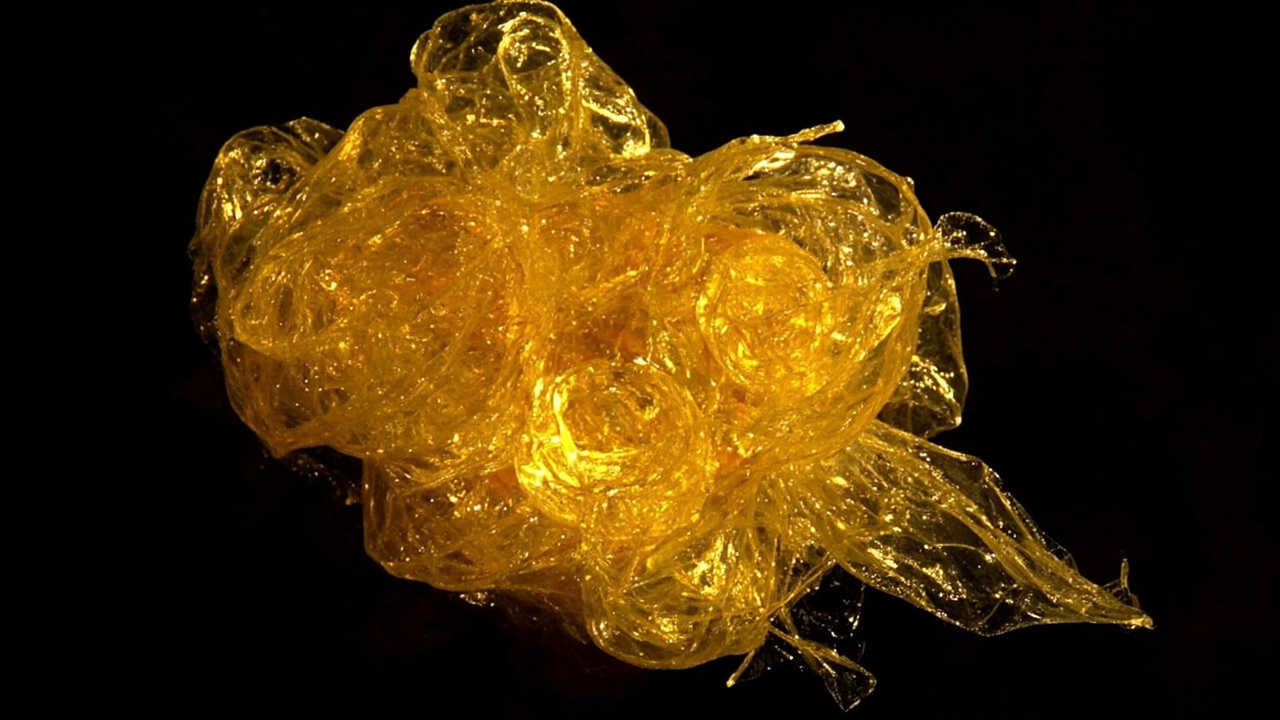
The Lost Fabric That Glows Like Gold (And How Scientists Brought It Back)
So picture this: a textile that shimmers like sunlight trapped in thread, feather-light, and somehow immune to time. For over two millennia, this wasn't science fiction — it was reality. And then we almost forgot it existed.
Let me introduce you to sea silk.
A Thread Fit for Kings
Sea silk — also called byssus silk — comes from an unexpected source: a giant Mediterranean clam called Pinna nobilis. These aren't small mollusks. They can stretch nearly a meter long, anchoring themselves to the ocean floor with silky golden filaments that they spin almost like a spider.
For centuries, this was the ultimate status symbol. We're not talking about expensive — we're talking about unreachable. Roman Caesars wrapped themselves in it. Popes wore it. Egyptian royalty coveted it. One famous relic in Italy, called the Holy Face of Manoppello, is said to be woven from this stuff — so gossamer-thin that light passes right through it.
Then came the tragedy. Pollution crept into their waters. Temperatures shifted. People harvested them faster than they could reproduce. Within just a few decades, Pinna nobilis went from ancient treasure to critically endangered. The European Union banned all harvesting. Real sea silk became mythological — something only a handful of artisans could barely produce.
The legend was dying. Literally.
The Plot Twist from South Korea
Here's where things get interesting.
A research team at POSTECH looked at a relative of the Mediterranean giant — the pen shell, known scientifically as Atrina pectinata. These are already widely farmed off the Korean coast for food. Surprise: they also produce those same lustrous byssus threads.
The Korean scientists thought, what if we just... use these instead?
They took the discarded threads from pen shells harvested for dinner, processed them carefully, and attempted to recreate that legendary golden fiber.
The result? A shimmering, lightweight, surprisingly strong thread that looks just like the ancient material.
But the really cool part? How it got its color.
Why This Fabric Never Fades
Here's something wild: sea silk isn't golden because someone dyed it gold. The color is built directly into the fabric's structure.
The POSTECH team discovered that within the threads are microscopic layered spheres of protein — they called them "photinin." These tiny structures interact with light in a very specific way: they scatter and reflect it back, producing that unmistakable iridescent shimmer.
This is called structural coloration, and once you learn about it, nature starts looking different. Soap bubbles? Rainbow-hued even though they're transparent. Butterfly wings? Brilliant blue or purple without a drop of paint. Hummingbird feathers? Same deal.
The magic is that the color isn't sitting on top of the material — it's woven into the material's architecture at the molecular level. That means it can't wear off. Can't wash out. Can't fade under the sun.
Which explains why sea silk artifacts from a thousand years ago still look jaw-dropping today. The gold isn't painted on. It's the fabric itself.
Why Fashion Should Pay Attention
Now for the part that gets me genuinely excited about sustainability.
Those pen shell threads the researchers used? They were waste. Completely worthless. The clams go to market, and all those gorgeous golden fibers get tossed. Nobody wanted them.
Until now.
The POSTECH team basically discovered treasure in the trash. They're turning agricultural runoff into one of the most beautiful, durable textiles imaginable — a fabric with:
- Natural golden color that never fades
- Zero chemical dyes or heavy metals
- Incredible lightness and strength
- Made from stuff that was headed for the landfill
Professor Hwang put it well: this technology opens the door to "long-lasting color without dyes," which is basically a dream come true for sustainable fashion.
Imagine closets full of clothes that never fade, never need toxic chemicals to get their color, and never contribute to polluted waterways. Imagine turning marine food waste into luxury fabrics.
That's the door these scientists just kicked open.
Why I Can't Stop Thinking About This
What draws me to this story is how many things it wraps together.
There's the history — ancient civilizations literally wearing clothing made from sea creatures, glowing like treasure. There's the science — structural coloration revealing that nature has been doing things our engineers are only starting to figure out. And there's the hope — that we can recover something precious we nearly lost, using methods that don't threaten already-vulnerable species.
Sea silk was a legend for two thousand years. It vanished. And now, thanks to some creative thinking in South Korea, it might stage a comeback — not as a symbol of emperors anymore, but as something we can all benefit from.
I don't know about you, but I think that's a better ending than the original story had.