
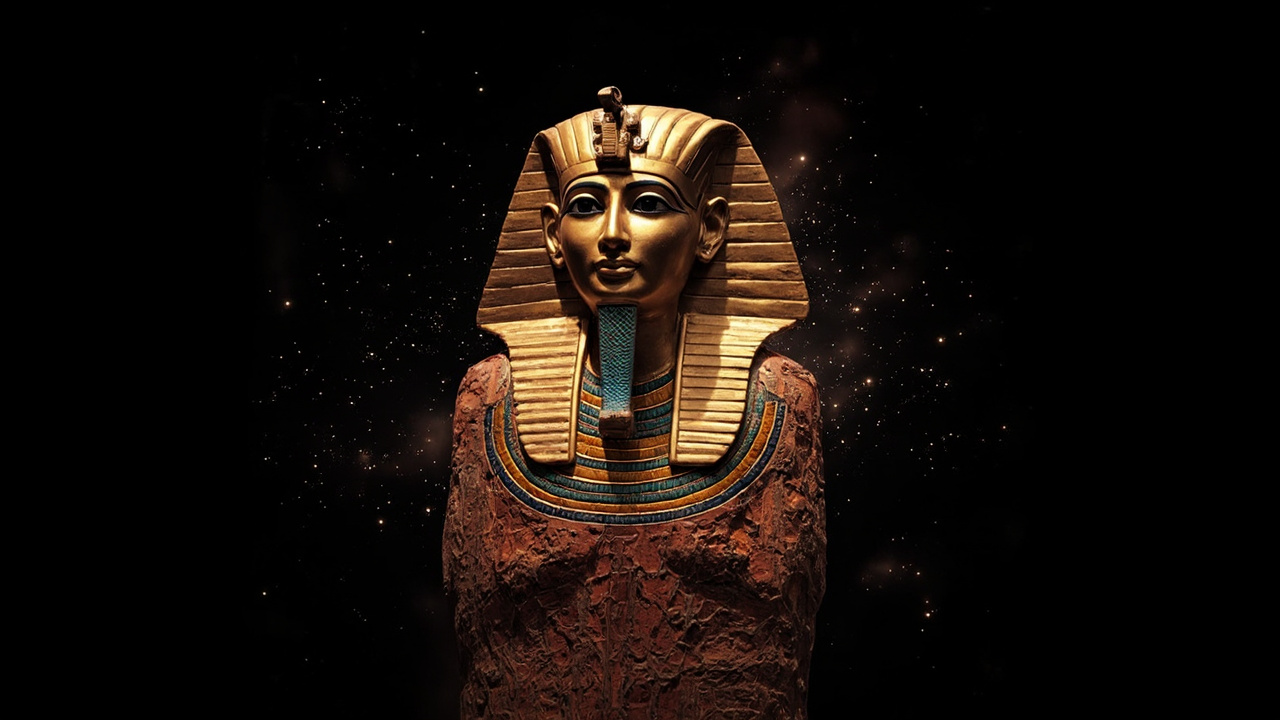
Okay, I have to admit—when I first read about this discovery, I had to sit down and process it for a moment. We're talking about ancient Egyptians who took their death preparations so seriously that they'd pack their tombs with everything they might need for the next world. Canopic jars to keep their organs safe? Obviously. Amulets for protection? Definitely. Little statuettes called ushabti figures that were basically meant to do their manual labor for them in the afterlife? You bet.
And for some particularly well-prepared folks, they'd include a special scroll: what we now call the Book of the Dead.
What's the Book of the Dead, Exactly?
First, let's clear up a misconception. The name "Book of the Dead" is actually a bit of a modern simplification. A more accurate translation would be something like "Chapters of Going Forth By Day." Basically, it was a collection of spells and magic words meant to help the deceased navigate the afterlife. Think of it as a combination of a travel guide, a survival manual, and a protective charm all rolled into one very important papyrus scroll.
These texts were hugely important to ancient Egyptian religious practice. They reveal how people thought about death, the afterlife, and what happened after you crossed over. And here's the thing—our understanding of them keeps evolving. Every new translation and discovery adds another piece to the puzzle.
The Discovery
So here's what got archaeologists excited recently. In the Al-Ghuraifa area of central Egypt, a team uncovered something pretty remarkable: a New Kingdom cemetery dating back to roughly 1550 B.C. to 1070 B.C. That's the era when Egypt was ruled by some of its most famous pharaohs, including figures like Ramesses II and Hatshepsut.
The burial site included rock-cut tombs, mummies, amulets, statues, canopic jars, and—this is the showstopper—a long papyrus scroll containing chapters from the Book of the Dead tradition. Egyptian officials described it as the first complete papyrus found in that specific area, and they said it was in surprisingly good condition.
The scroll itself? Estimates vary depending on the account, but it appears to be somewhere between 13 and 18 meters long—roughly 43 to 59 feet. That's a lot of afterlife instructions.
What Makes This Find Special?
I chatted with some Egyptologists about this, and they're genuinely excited—though cautiously so. One expert, Lara Weiss, CEO of the Roemer and Pelizaeus Museum in Germany, pointed out that if it's truly that long and well-preserved, it's definitely a significant find.
But here's the thing that really caught my attention: according to Foy Scalf, an Egyptologist at The University of Chicago, it's very rare to find a Book of the Dead copy actually in the grave it was originally buried in. Think about that for a second. These things were created for tombs, but most of the ones we have today have been separated from their original burial contexts, either through ancient tomb robberies or later excavations that weren't carefully documented.
But Wait, There's More
The papyrus wasn't even the only remarkable thing about this cemetery. Reports describe stone and wooden coffins, thousands of amulets, and more than 25,000 ushabti figures. Yes, you read that right—twenty-five thousand. That's a small army of little statues ready to do some serious afterlife manual labor.
One standout piece was the engraved and painted coffin of a woman named Ta-de-Isa (also referred to as Taji Ist), who was described as the daughter of Eret Haru, the high priest of Djehuti in Al-Ashmunin. Her burial included wooden boxes holding canopic vessels, a complete set of ushabti statues, and a figure of Ptah-Sokar, a funerary deity. This was clearly someone important.
The Unfinished Story
Here's what I find both frustrating and exciting: the discovery is real and visually tantalizing, but it's still waiting on the detailed documentation and scholarly publication that will make it fully scientifically usable. No photographs of the papyrus have been released yet, and without an official publication describing the text in detail, experts can't fully verify all the claims.
It's like knowing someone brought home the most amazing souvenir from their vacation, but they're not showing anyone the photos yet.
Egyptian officials have said the papyrus is expected to eventually be displayed at the Grand Egyptian Museum, which is scheduled for its official opening in 2026. So someday soon, we might all get to see this piece of ancient afterlife preparation firsthand.
Until then, we'll just have to be patient—and keep imagining what those 60 feet of ancient text might tell us about how the Egyptians viewed the great mystery that awaits us all.