
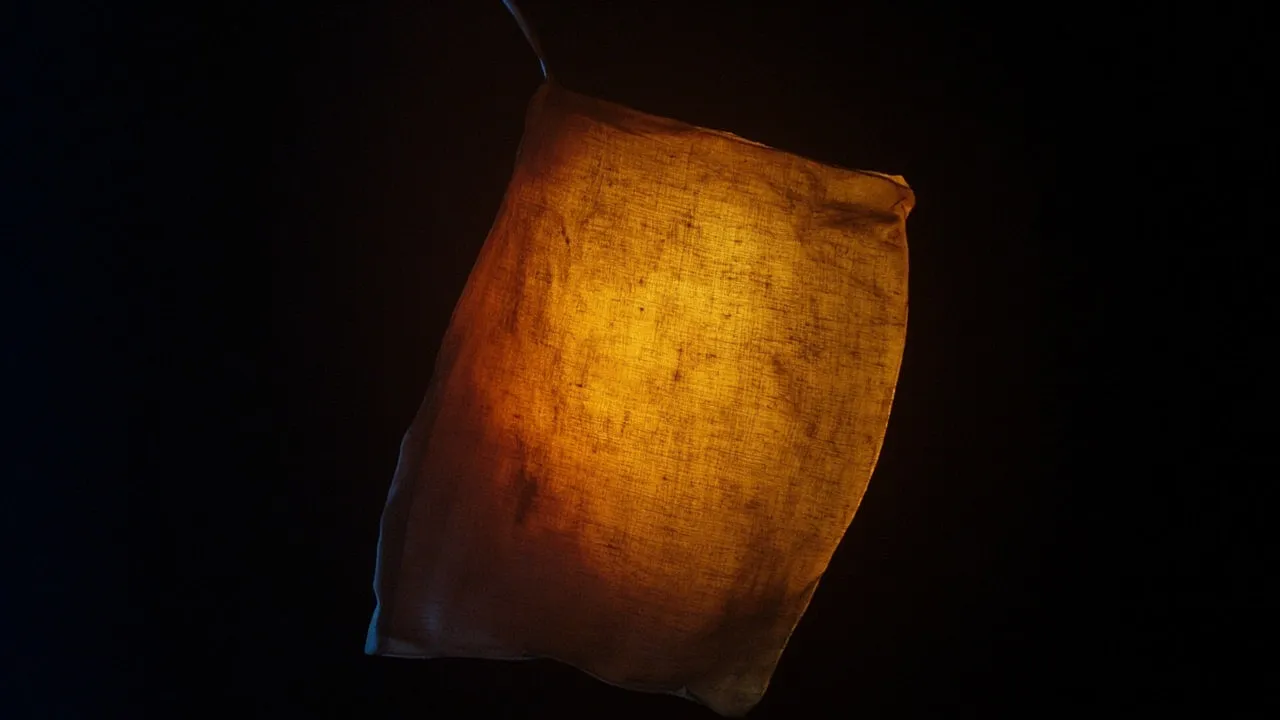
Okay, I have to admit — when I first caught wind of this story, my immediate thought was "they're still studying that thing?" And honestly, that's exactly why this story deserves your attention.
The Shroud of Turin has been examined, debated, argued over, and scrutinized for what feels like forever. If you somehow missed the drama: it's a linen cloth that some believe covered Jesus after the crucifixion, bearing the faint imprint of a man's face and body. Others say it's a medieval forgery. The debate has raged for centuries, and honestly, it probably will continue for centuries more.
But here's where things get genuinely exciting.
A team of researchers just published findings in Scientific Reports that represent a major leap forward in how we study historical artifacts. They took samples from the Shroud that were collected back in 1978 — yes, nearly 50 years ago — and ran them through what's called PCR-free next-generation metagenomic sequencing. Fancy words, but the bottom line is: this is the most powerful DNA analysis technology we currently have.
What did they find?
Prepare to have your mind wander through centuries of history.
The researchers found human mitochondrial DNA, which makes sense since, you know, humans have been handling this thing for ages. But they also discovered an incredibly diverse microbiome — bacteria, fungi, and even salt-loving microorganisms that probably hitched a ride from various environments where the Shroud has been stored and displayed.
And then it gets really interesting. They found DNA from cultivated plants: wheat, carrots, maize, bananas, peanuts. Animal DNA from cattle, pigs, chickens, dogs, cats. Even Mediterranean red coral, which immediately makes me picture some monk in the 1400s accidentally sneezing on the Shroud while eating a seafood dinner near the coast. (Okay, that's probably not what happened, but you have to admit it's a fun image.)
Professor Noemi Procopio from the University of Lancashire put it beautifully: the Shroud represents "a rich archive of genetic information that has accumulated over centuries of human interaction and environmental exposure."
This is what makes the study so fascinating, in my opinion. We may never know whether this cloth actually wrapped the body of Jesus of Nazareth. But what we CAN know is the incredible journey this piece of linen has taken through human history. Every touch, every breath, every environment has left a trace, and modern science is finally sophisticated enough to read those traces like a book.
The researchers are careful to note that they can't isolate any "original" DNA that might have been on the cloth when it was first created — centuries of handling have simply mixed everything together too thoroughly. So if you were hoping for a definitive answer about the Shroud's authenticity, you might be disappointed.
But I think this is actually MORE exciting than finding definitive proof either way. Because the Shroud isn't just a yes-or-no question about one historical claim. It's a living record of human civilization — a physical connection to everyone who's ever venerated, studied, displayed, or simply been in the same room as this remarkable object.
And honestly? That feels like a kind of miracle too.
What do you think? Is this kind of biological archaeology the future of historical research? Drop your thoughts below — I'd love to hear your take on this story!