
Okay, I need you to picture this with me.
You're a diver, peacefully floating along the ocean floor near the coast of Japan. The water is calm, the light is filtering down beautifully, and then... you see it. A perfect circle, about seven feet wide, carved into the sand like someone took a giant compass and drew it with mathematical precision. Little grooves radiate outward from the center. The edges are decorated with tiny shell fragments. From above, it looks like someone drew a sun on the seafloor.
For years, that's exactly what people thought it might be — some kind of mysterious underwater phenomenon. A crop circle cousin, maybe. Something unexplained.
Here's where it gets really fun: the artist behind these gorgeous geometric masterpieces is a fish that's only about five inches long. FIVE INCHES. That's smaller than your hand.
The Artist: Torquigener Albomaculosus
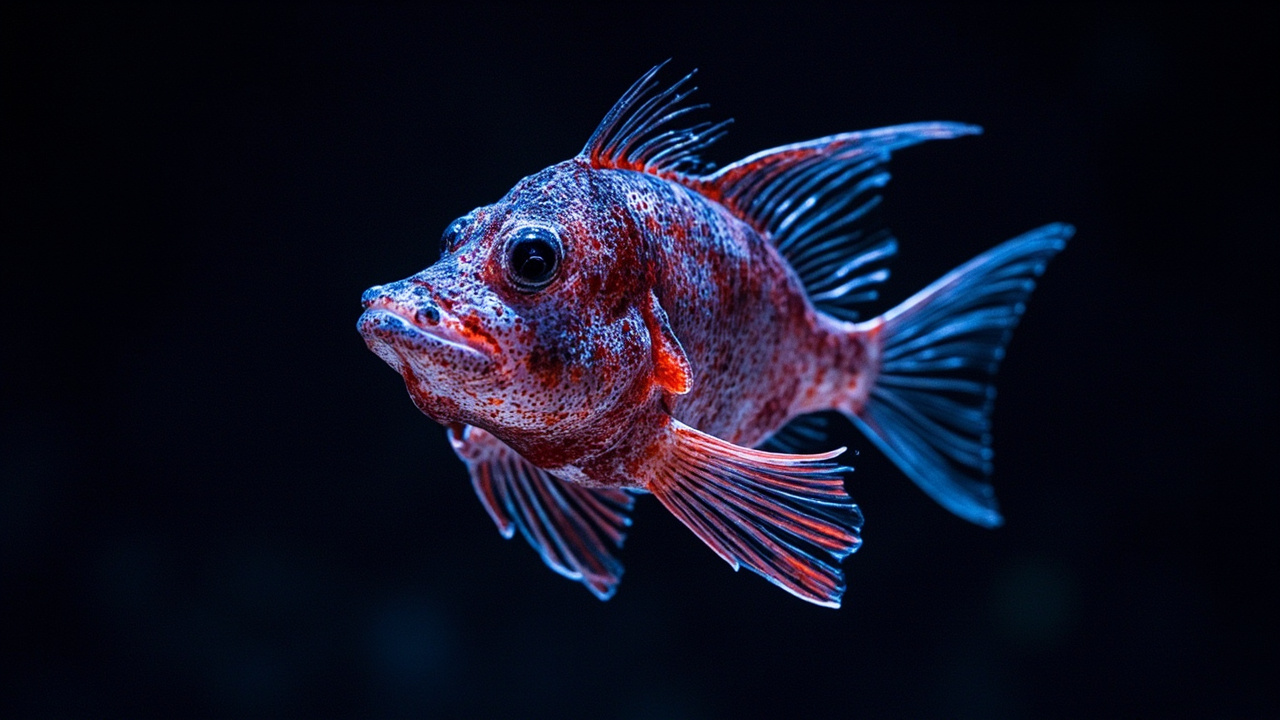
In 2011, scientists finally cracked the case. This wasn't some alien geometry or underwater geological mystery. It was the handiwork — or should I say fin-work — of a brand new species of pufferfish that researchers named Torquigener albomaculosus.
And get this: each of these incredible formations takes the little guy up to nine days to complete. Nine days of frantic swimming and careful arranging, just to create the perfect love nest.
But why all the effort? As it turns out, this is courtship architecture at its finest.
Love on the Seafloor
Here's how the romance unfolds. The male pufferfish works tirelessly to construct his circular masterpiece, carefully arranging valleys and grooves in the sand. He decorates the edges with shell fragments and fine sediments — almost like he's placing candles and rose petals, fish-style.
When a female comes along and approves of his work (scientists still aren't exactly sure how she makes her selection), she lays her eggs right in the center of the circle. The male then fertilizes them externally and stands guard over the nest for at least six days, protecting his future offspring from predators and keeping the design pristine.
I don't know about you, but I find something genuinely touching about this. This tiny creature with no hands and no tools is building what might be the most romantic architecture in the entire ocean. Some birds build nests, sure. Some fish scatter a few pebbles. But a five-inch pufferfish is out there creating art that's visible from a distance.
More Than Just Pretty
Now here's something that really blew my mind when I read about it. Researchers later realized the design isn't just for show.
The grooves and valleys in the nest actually help water flow through the structure in a way that brings more oxygen to the eggs sitting in the center. It's functional and beautiful — which is a combination even the best human architects would envy.
And the plot thickens. Scientists assumed these circles were unique to Japan... until 2020, when researchers spotted similar formations off the coast of Australia. Near underwater gas infrastructure, of all places. One scientist said, "It's kind of humbling to know that there's so much out there that we don't know."
And honestly? That feeling of humble wonder is exactly the right response.
The Double Life of Pufferfish
Before we go, can we just take a moment to appreciate how utterly strange pufferfish are in general?
You probably know they can puff up into spiky, poisonous balls when threatened. That's already weird enough. But here's the really wild part: they've evolutionarily given up their ribs and even their pelvic bones to make this possible. They're literally built differently so they can look like a spiky beach ball and scream "don't eat me!"
And yet... we still eat them. Fugu, the famous pufferfish delicacy, is a real thing in Japan. The fish contains tetrodotoxin, which is about 1,200 times more poisonous than cyanide. Chefs have to take special national exams just to be allowed to prepare it.
So these little creatures are simultaneously deadly AND devoted artists who spend nearly two weeks building elaborate sand sculptures for love. That's a range, people.
Why This Story Sticks With Me
I think about this pufferfish story often. Here's a creature most of us would step right over without noticing, living its life in the vast, dark ocean — and it's out there doing something genuinely remarkable. Something that made scientists scratch their heads for decades. Something beautiful and functional and kind of romantic.
It reminds me that wonder doesn't have to come from the biggest things. Sometimes the most extraordinary discoveries are hiding in the smallest packages, waiting for us to look a little closer.
So next time you hear about mysterious phenomena in nature — whether it's circles in fields or circles on the seafloor — remember that sometimes the explanation is even more delightful than the mystery.
Nature, it turns out, has a really good imagination.
Source: Popular Mechanics - Scientists Were Puzzled for Years by Mysterious Seafloor 'Crop Circles'