
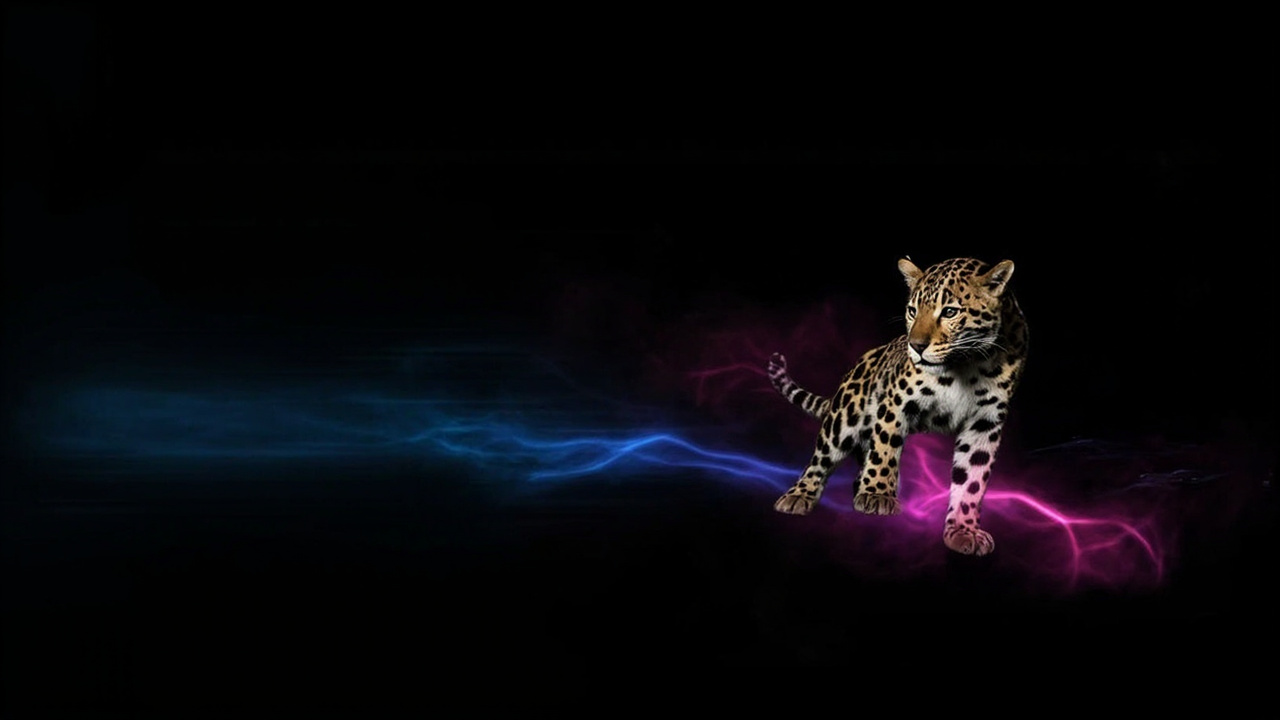
So, What's Up With These Little Leopards?
Picture a leopard. Now picture that same leopard, but half the size.
That's basically what researchers found when they started studying leopards in South Africa's Cape Floristic Region. These aren't sick or malnourished cats — they're just... small. Like, genuinely tiny compared to their cousins elsewhere in Africa.
For decades, wildlife experts scratched their heads over this. Were these leopards a different subspecies? Had they evolved differently? Or was there something weird going on with their genes?
Well, grab your detective hats, because scientists just cracked the case — and the answer is honestly cooler than I expected.
The Plot Twist: Geography and Ancient Ice Ages
Here's the thing about the Cape Floristic Region: it's basically an island. Not surrounded by water, but by mountains, deserts, and human activity that leopards just don't like crossing.
The Cape Fold Belt creates this natural fortress where leopards have been hanging out for a very, very long time. We're talking tens of thousands of years.
The researchers used what's called whole-genome analysis — basically reading the entire genetic instruction manual of these leopards instead of just flipping through a few pages. And what they found was fascinating.
These little leopards diverged from their eastern cousins around 20,000 to 24,000 years ago. That was during the Last Glacial Maximum — you know, when Earth was locked in its coldest phase of the last ice age.
Back then, southern Africa became cooler and drier. Grasslands shrank, food became scarcer, and animals started getting separated. Think of it like a giant game of musical chairs, except the music never came back on for 20,000 years.
Why Are They So Small?
Here's where it gets interesting. In most of Africa, leopards in open habitats tend to be larger — they need the size to take down bigger prey and defend territory. Forest leopards are usually smaller and darker.
But the Cape leopards? They're small even though some live in more open areas. This suggests that being isolated in small populations for thousands of years actually changed them at a genetic level.
The researchers didn't find evidence of serious genetic problems — no major inbreeding issues or diversity collapse. But they did confirm that these leopards have been doing their own thing, genetically speaking, for a very long time.
Why Should We Care?
Okay, I know what you're thinking. Cool story, but why does this matter?
Here's why: these leopards are genetically unique. They represent something that doesn't exist anywhere else on Earth. In a world where so many animals are losing their distinctiveness through mixing and hybridization, these little Cape leopards are a rare example of a population that went its own way and stayed that way.
That matters for conservation. If we lump them together with "regular" leopards, we might accidentally erase something irreplaceable. These cats need their own conservation strategy, their own protection plans.
The Bigger Picture
What I love about this story is what it tells us about how species change over time. It's not always dramatic — sometimes it's just a mountain range, a changing climate, and a whole lot of time.
Twenty thousand years is hard to wrap your head around. These leopards were already small when humans were still figuring out agriculture. They've been this way longer than civilizations have existed.
And here's what really gets me: humans nearly finished the job. In the 1800s and 1900s, heavy hunting, habitat loss, and bounty programs (where farmers were literally paid to kill leopards) devastated their numbers. It wasn't until 1968 that the leopard bounty ended.
These little leopards survived the ice age. They survived thousands of years of isolation. They survived becoming genetically distinct from every other leopard on the continent. And then humans almost wiped them out in a couple of centuries.
We're lucky they bounced back. And we're lucky researchers took the time to understand them properly — not just as "leopards" but as the unique creatures they actually are.
Sometimes the most amazing animals are the ones hiding in plain sight, just waiting for us to pay attention.