
The Hydrogen Story Just Got a Lot More Interesting
So here's something I have to admit: I've been watching hydrogen fuel developments for years, and honestly? Most of it left me feeling pretty meh. Big promises, underwhelming results. Hydrogen might be everywhere in the universe, but getting it to do useful work? That turned out to be harder than anyone expected.
Until recently, that is. Something came across my desk that actually made me pay attention.
Wait, Rocks Make Hydrogen?
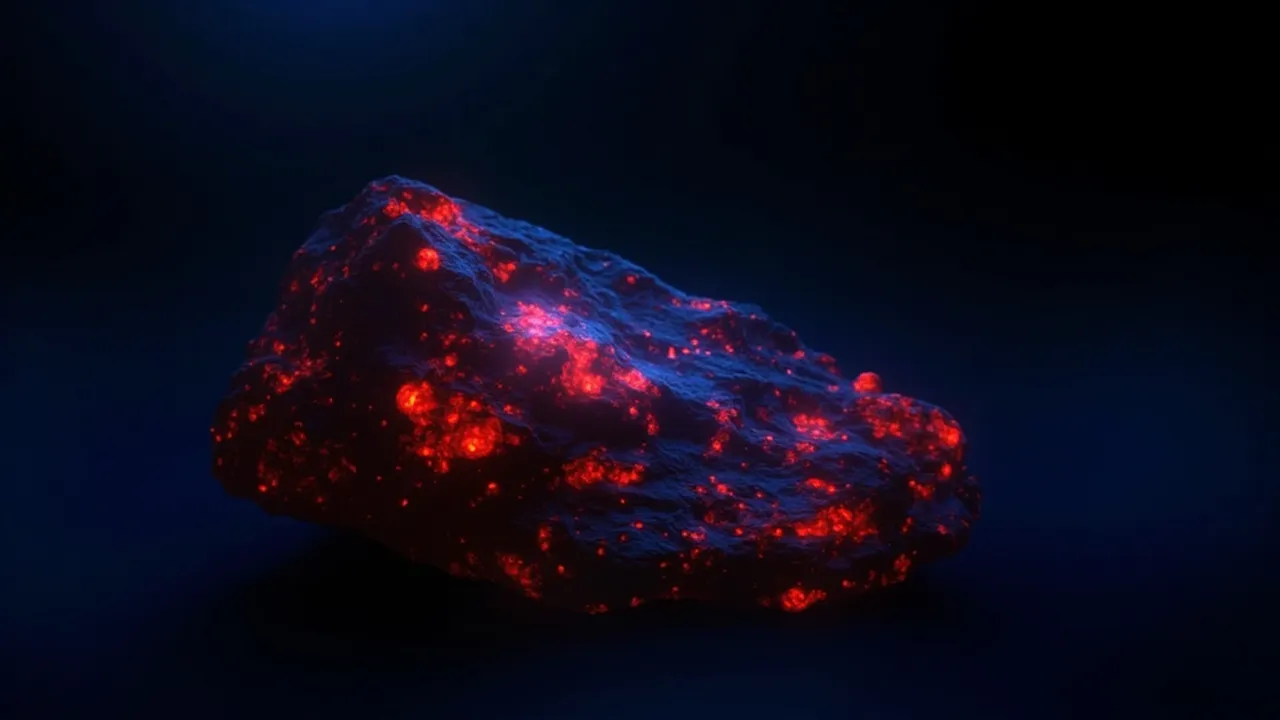
A team from Edith Cowan University in Western Australia has been studying magnetite—you probably know it as that black, slightly magnetic iron ore you might have seen in geology class. It turns out this common mineral has a hidden talent: it can pull oxygen out of water molecules and leave hydrogen gas behind.
The catch? This process needs extreme heat and pressure, like you'd find deep underground. Here's the exciting part: Western Australia's Pilbara region is absolutely packed with magnetite. We're talking massive iron ore deposits that might have been quietly producing hydrogen all along.
The Powder Power
The researchers didn't just observe this and move on. They got clever and recreated these underground conditions in the lab. They took magnetite, ground it into powder, added water at around 200 degrees Celsius, and cranked up the pressure.
The results were striking. Powdered magnetite produced five times more hydrogen than solid chunks. Why? Two reasons. First, powder has way more surface area for reactions. Second—and this is the part that really stood out to me—solid magnetite formed a crust of hematite that blocked water from reaching the active material underneath. Nature's own little defensive barrier.
Finding the Sweet Spots
This matters because it shows us exactly where to search for natural hydrogen. We now know porous rocks allowing water to flow through fractures are ideal. Areas that have been shaped and changed over billions of years could be hydrogen factories.
Dr. Alireza Keshavarz, one of the study's senior authors, put it this way: "Australia could be sitting on a massive, untapped energy reserve—and the potential is enormous. There is enough hydrogen for Australia to benefit for generations, and potentially enough for us to become a major exporter of clean energy to the rest of the world."
Bold claim? Sure. But it makes sense when you consider we've been mining these iron formations for decades without realizing what might have been happening beneath our feet the whole time.
The Bigger Picture
This isn't happening in isolation. Earlier this year, the U.S. Geological Survey released the first map of potential geologic hydrogen reserves in America. Scientists also found evidence that Canada's ancient bedrock might contain significant hydrogen deposits.
We're starting to understand something important: hydrogen might not be something we have to manufacture from scratch—it could be hiding underground across the planet.
The Hydrogen Reality Check
Here's something that's always bothered me about hydrogen fuel: we call it a clean, green solution, but the actual production methods are... not great. Over 95% of hydrogen production today comes from processes powered by coal or natural gas. Yep, you read that correctly.
We even have a color-coding system for this inconvenient truth. "Gray" hydrogen comes from natural gas. "Blue" is the same thing with carbon capture. "Green" hydrogen, the good stuff made with renewable energy? Less than one percent of global production.
So when natural processes in Earth's crust might yield hydrogen without fossil fuel dependency, my interest definitely piques.
Why This Still Matters
This isn't about replacing solar panels or wind farms—those remain essential. But hydrogen has a unique advantage: it can store energy in ways batteries currently can't match. Cargo ships crossing oceans? Battery technology isn't ready. Long-haul flights? Same problem. Industrial processes needing serious heat? Hydrogen handles that.
This Australian discovery is another piece showing that the clean energy future isn't about one magic technology—it's about building interconnected systems where everything works together.
The research team isn't done either. They're using these findings to guide future exploration, focusing on areas with the right rock formations and permeability. Methodical, science-backed work rather than random drilling.
Is this the "jackpot" some headlines claim? Maybe. Maybe not. But it's definitely another reason for cautious optimism.
Looking at the bigger picture—geologic hydrogen reserves in America, ancient deposits in Canada, this magnetite process in Australia—I'm starting to believe the universe's most abundant element might finally be within reach.
Now if you'll excuse me, I need to go learn more about iron formations. Turns out rocks are more exciting than I gave them credit for.