
Wait, Sea Anemones and Humans? Really?
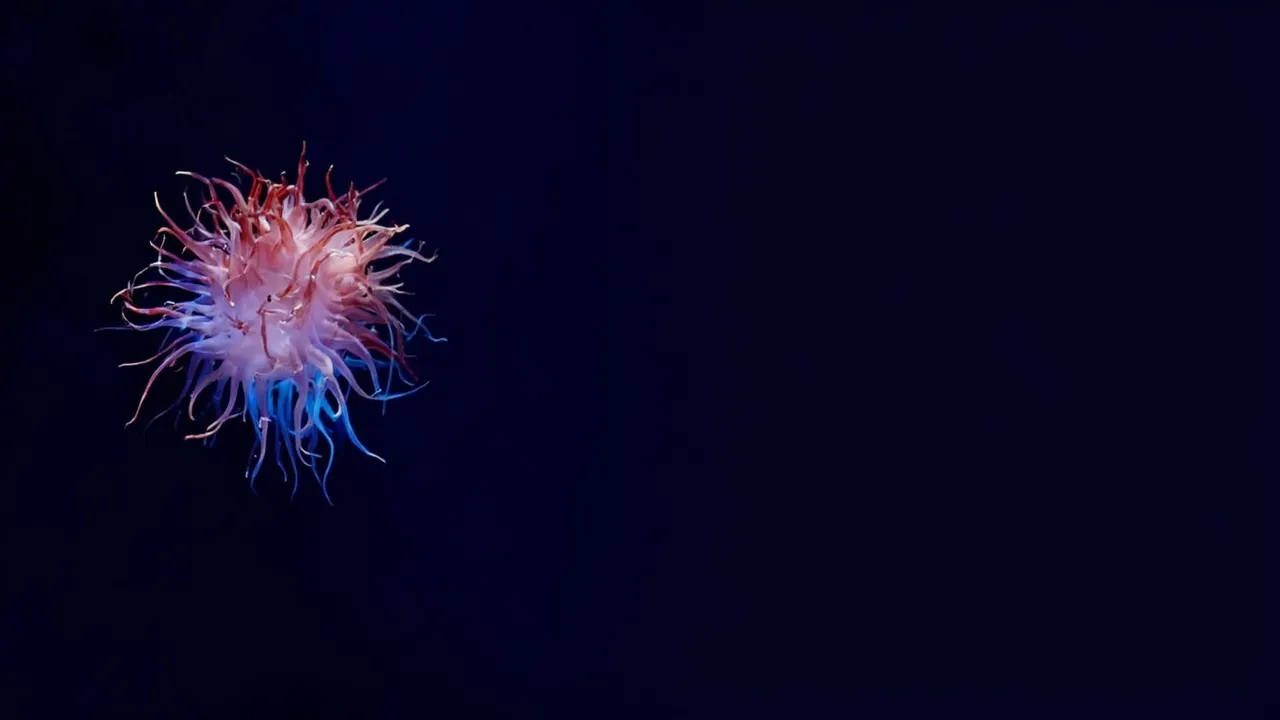
So picture this—I'm scrolling through some science news, probably way too late at night, and I stumble onto something that makes me stop mid-scroll. We're talking about sea anemones here. Those colorful, tentacle-waving blobs that look like underwater flowers. The ones that just sit there on rocks, brainless and heartless.
And apparently, they might be holding clues to how we became... us.
Yeah. Let that one sink in for a second.
Two Branches of the Animal Family Tree
Alright, let me walk you through why this matters. Scientists usually lump animals into two giant camps based on how they're built. First up: Cnidarians—that's your sea anemones, jellyfish, and corals. They grow outward from the middle like petals unfurling.
Then you've got Bilaterians, which is pretty much every other animal you can think of. Fish, birds, your dog, your cat, you. We all share the same basic body plan—front and back, left and right, top and bottom.
For ages, researchers figured these two groups must have figured out body-building in totally different ways. Makes sense, right? One group just blooms outward, the other builds itself along an axis like following a blueprint.
Turns out, that assumption might be completely wrong.
The Same Hidden Instructions
Scientists at the University of Vienna stumbled onto something that threw a wrench in everything. These researchers found that sea anemones use BMP shuttling to shape their bodies.
BMP. Sounds technical, but stick with me.
Your body churns out these tiny messengers called bone morphogenetic proteins (BMPs). During development, these proteins basically give your cells directions—where are you located, and what should you become? Low BMP levels? Cells form your spinal cord. Medium levels? Maybe a kidney. High levels? That's your belly skin.
Think of it like cells playing an endless game of hot and cold, guided by these protein signals. Wild, right?
But here's the part that made my jaw drop. Sea anemones use the identical system. Same proteins, same process. Even the molecule called Chordin shows up, doing the same job—acting like a shuttle to move BMPs around.
Why Should Any of Us Care?
Here's where things get genuinely mind-bending.
If both sea anemones and humans rely on BMP shuttling, that means this mechanism goes way, way back. We're talking the dawn of animal life itself. These two groups went their separate ways roughly 600 to 700 million years ago. Back then, nothing even close to complex life existed—just single-celled organisms floating around in ancient seas.
One researcher, David Mörsdorf, described how this mechanism "pops up over and over again in very distantly related animals." That makes it a prime candidate for something our earliest ancestors already knew how to do.
Could both groups have developed this independently? Sure, it's theoretically possible. But the more thrilling explanation? Our common ancestor—living in that primordial ocean ages ago—already had these body-building instructions in its genetic toolkit.
The Big Picture
Now I'm going to get a little philosophical on you.
We're talking about a creature without a brain, a heart, or anything resembling human complexity. Yet at the molecular level, we're working from the same instruction manual.
What else is hiding in plain sight? What other ancient tricks are simple organisms carrying around, waiting for us to discover they're actually our distant cousins?
Maybe "simple" was exactly what our shared ancestor needed to be. Maybe the entire blueprint for everything that followed—fish, reptiles, dogs, humans—was drafted in those ancient waters. We just hadn't noticed we were all family until now.
Next time you see a sea anemone swaying in an aquarium tank, maybe give it a little nod. It might be one of the oldest relatives you've got.
How cool is that?