
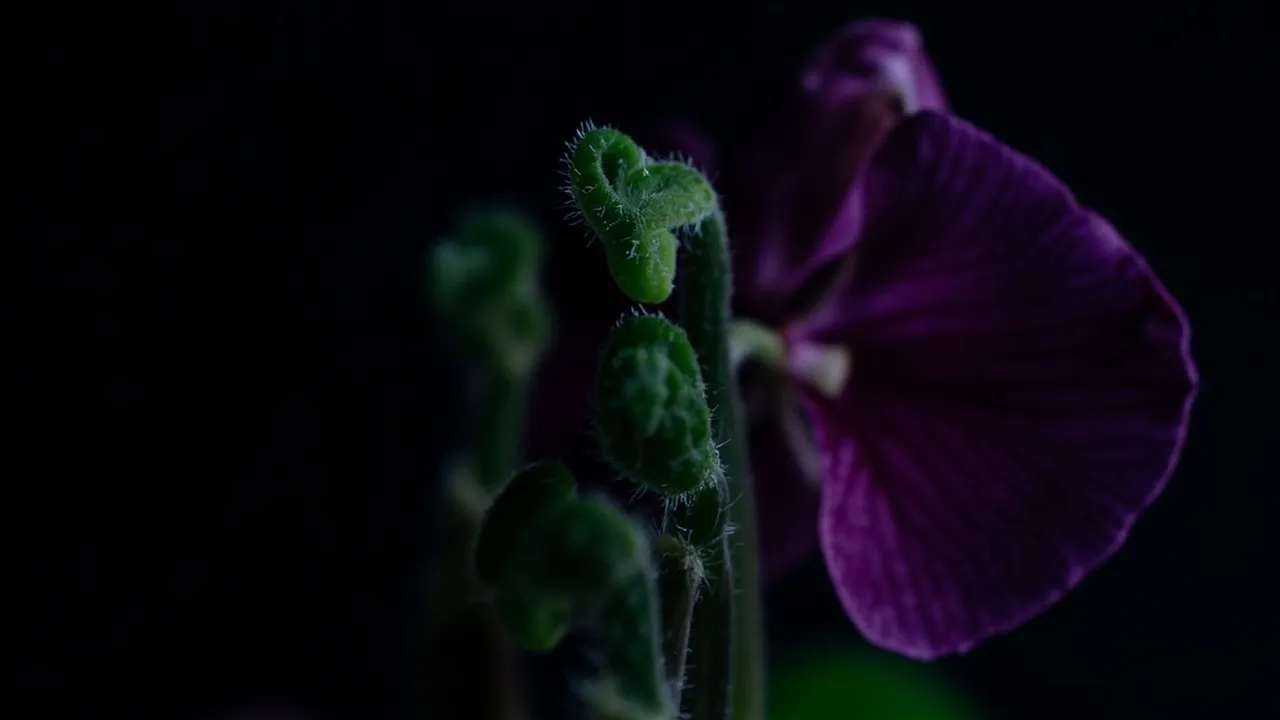
The Meadow That Healed Itself
Okay, I have to tell you about something that genuinely made me smile — and honestly, it might change how you think about nature, restoration, and the whole concept of "doing nothing."
Picture this: a field in North Norfolk, UK. It's 2005. The last crop of oilseed rape comes in, and the family who owns the land decides to stop farming it. The land was just too difficult to drain, you see. And here's where the story gets interesting — they didn't spend thousands on consultants, seed mixes, or fancy restoration techniques. They basically just... walked away.
Well, mostly.
A Grand Experiment Without Even Trying
The field belonged to Professor Carl Sayer's father, Derek. Carl, a professor of limnology and freshwater ecology at UCL Geography, had always been fascinated by nature's ability to recover on its own. When everyone told him to seed the field with commercial wildflower mixes to create his dream meadow, he resisted the temptation.
"I really wanted a wildflower meadow and all advice was to seed it," Professor Sayer said. "But I resisted the temptation, as I have always been interested in nature's ability to recover itself."
The only intervention? A traditional annual hay cut. That's it. One cut per year.
What happened next was documented over 11 years (2011-2022), and the results are absolutely stunning.
Thousands of Orchids. Naturally.
Within 10 to 15 years, this former arable field had transformed into something remarkable — a species-rich wildflower meadow teeming with life. But here's the really jaw-dropping part: thousands of orchids established themselves. Naturally. Without anyone planting them.
The researchers also documented increases in species like yellow rattle, greater tussock-sedge, common centaury, and southern marsh orchid — plants that are actually becoming quite rare across the UK countryside.
The numbers are pretty compelling too. During the study period, the average number of plant species found in each survey plot doubled — from about 10 species in 2011 to nearly 20 by 2022.
The Question That Changes Everything
This is the part that got me thinking, honestly, about so many other things in life.
The study, published in Restoration Ecology, raises a genuinely important question: What if we've been overcomplicating nature restoration?
Here's what I mean. When we talk about restoring wildflower meadows or damaged ecosystems, the conventional wisdom is usually to throw money at the problem — commercial seed mixes, expensive interventions, detailed management plans. And there's definitely a place for that in certain situations.
But Professor Sayer's research suggests something different. By simply allowing natural ecological processes to unfold, you can restore biodiversity while also preserving something incredibly valuable: the genetic diversity of plants that are already adapted to the local area.
"Our study shows that resisting seeding and allowing nature to lead may be worth trying a lot more in wildflower meadow restoration," Sayer said. "Natural plant recovery better safeguards genetic diversity than seeding and ensures that local species thrive, making meadows less generic."
Less generic! I love that framing. There's something almost philosophical about it — nature knows what it's doing when you give it half a chance.
Patience Over Seed Packets?
The UK (and frankly, much of Europe) is scrambling to restore biodiversity across vast areas of former farmland. The pressure is on to find effective, scalable solutions. And here's where this research becomes genuinely important.
Planting seed mixes is expensive. It's logistically complex. And it might actually result in meadows that are, well, generic — a standard cocktail of wildflowers that aren't necessarily optimized for the specific ecological conditions of each unique location.
The alternative? Maybe it's as simple (and as difficult) as patience.
As Professor Sayer put it: "As things stand the UK needs nature recovery fast, at big scales. In the push to achieve this goal our study poses the question: should we be employing patience over seed packet more often?"
That's a question worth sitting with for a moment, isn't it?
Nature's Brilliant Spontaneity
Some of the plants that appeared in the meadow — including some of the more unusual species — likely arrived without any human help at all. The researchers think wildlife like deer may have carried seeds or helped with dispersal. The meadow essentially became a hub of natural activity, with ecological processes doing what they've always done when given the chance.
"A visit to the meadow is like stepping back through time," Professor Sayer reflected.
And that really captures something, doesn't it? There's this sense that we've somehow lost touch with the idea that landscapes can heal themselves. We've become so accustomed to active intervention, expensive solutions, and human-centered management that we've forgotten nature's capacity for recovery.
What This Means for the Rest of Us
Now, I should be clear: this doesn't mean we should abandon all restoration efforts and just wait for miracles. There are definitely degraded landscapes that need more active intervention. But this research does suggest something beautiful and hopeful:
Sometimes the most powerful thing we can do is step back.
If you have a patch of land that's been degraded, maybe you don't need to rush out and buy expensive seed mixes. Maybe you don't need to hire consultants and develop elaborate management plans. Maybe you just need to stop actively degrading it, give it a basic helping hand (like that annual hay cut to prevent woody plants from taking over), and have faith.
The orchids might just show up on their own. And honestly, I think there's a life lesson in there somewhere about control, patience, and trusting the process.
The field in North Norfolk has become a local treasure — with villagers delighting in its incredible diversity. It's proof that when we let nature lead, the results can be more beautiful, more resilient, and more genuinely local than anything we could have engineered ourselves.
Sometimes doing less really is more.
Source: Scientists left this farm field alone. Thousands of orchids appeared — ScienceDaily