
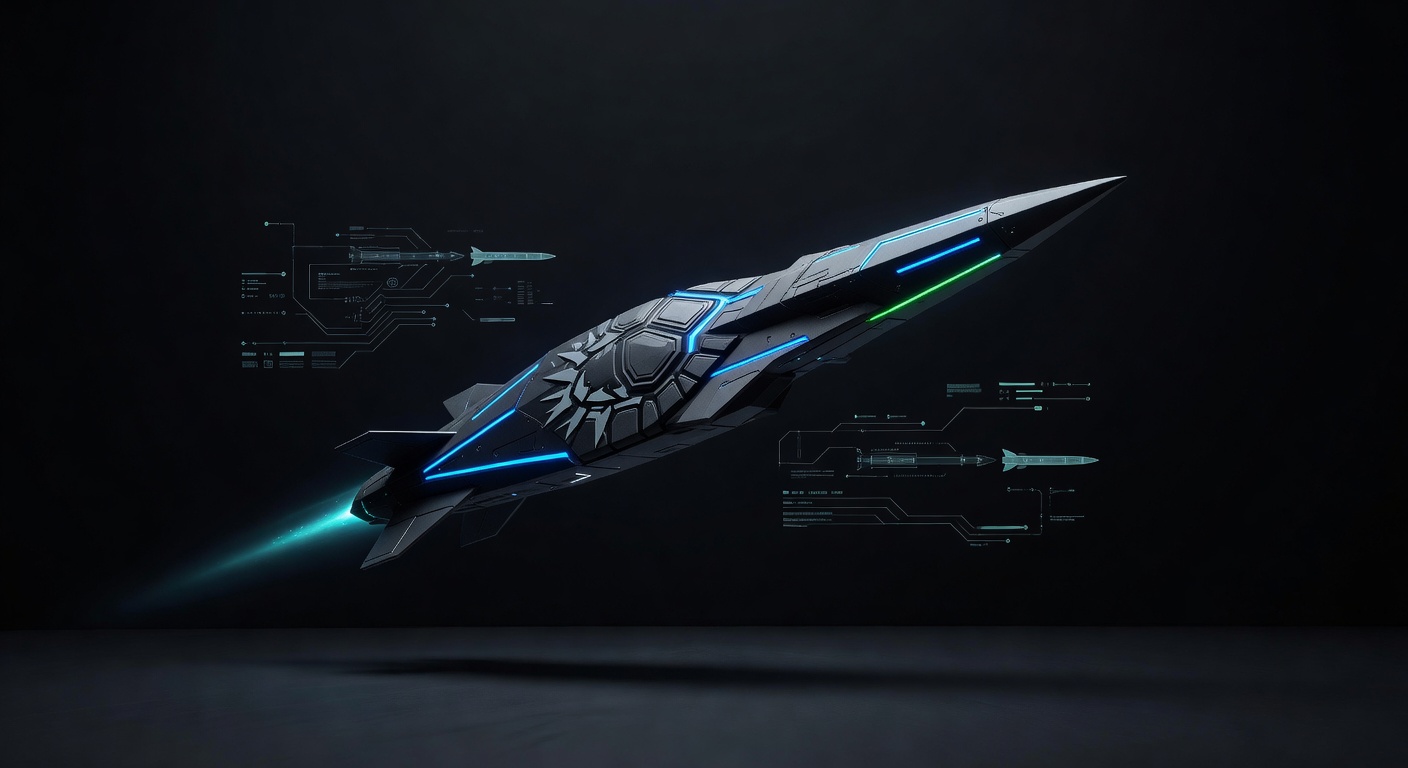
While China and Russia race ahead with hypersonic weapons, the U.S. is betting on an unlikely hero with a cheeky name. Meet the Angry Tortoise — a new missile that might finally give America the speed it needs to catch up in the world's fastest arms race.
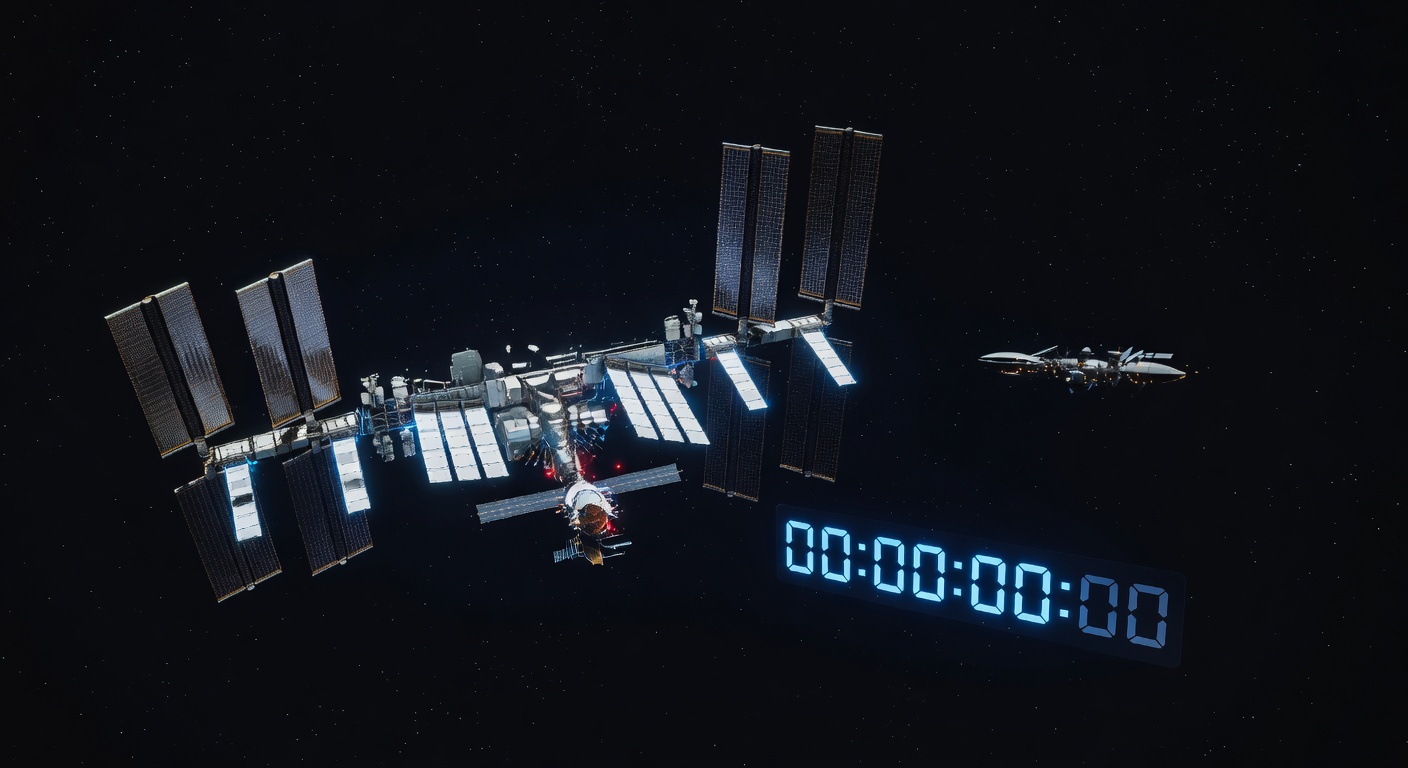
The International Space Station has been humanity's home in space for over two decades, but it's facing a ticking clock that could spell disaster. From aging infrastructure to political tensions, the ISS is walking a tightrope that gets more precarious every year.
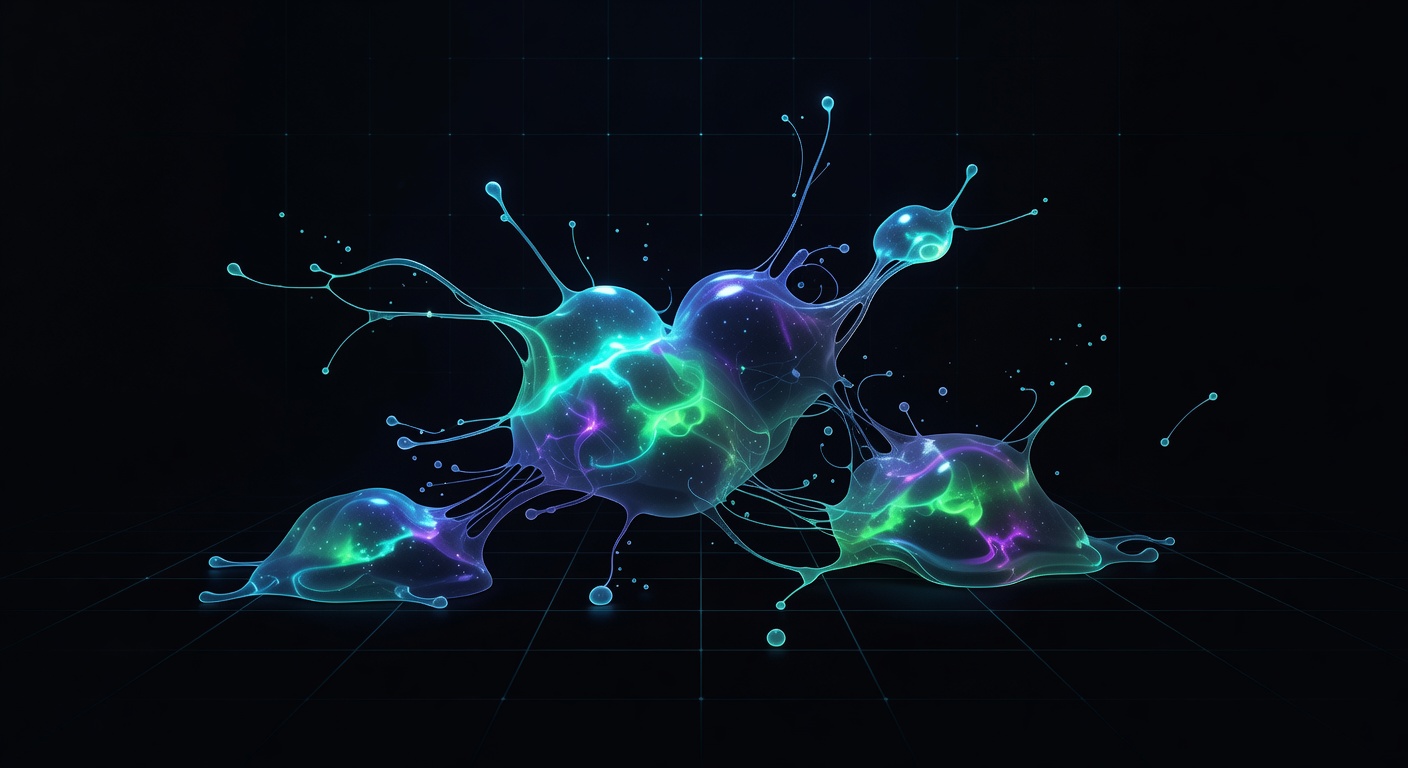
Forget everything you thought you knew about how life began on Earth. Scientists now think our earliest ancestors didn't emerge from simple chemical reactions, but from complex, gel-like blobs that acted more like tiny cities than individual cells. This slimy revelation could completely change how we hunt for alien life.
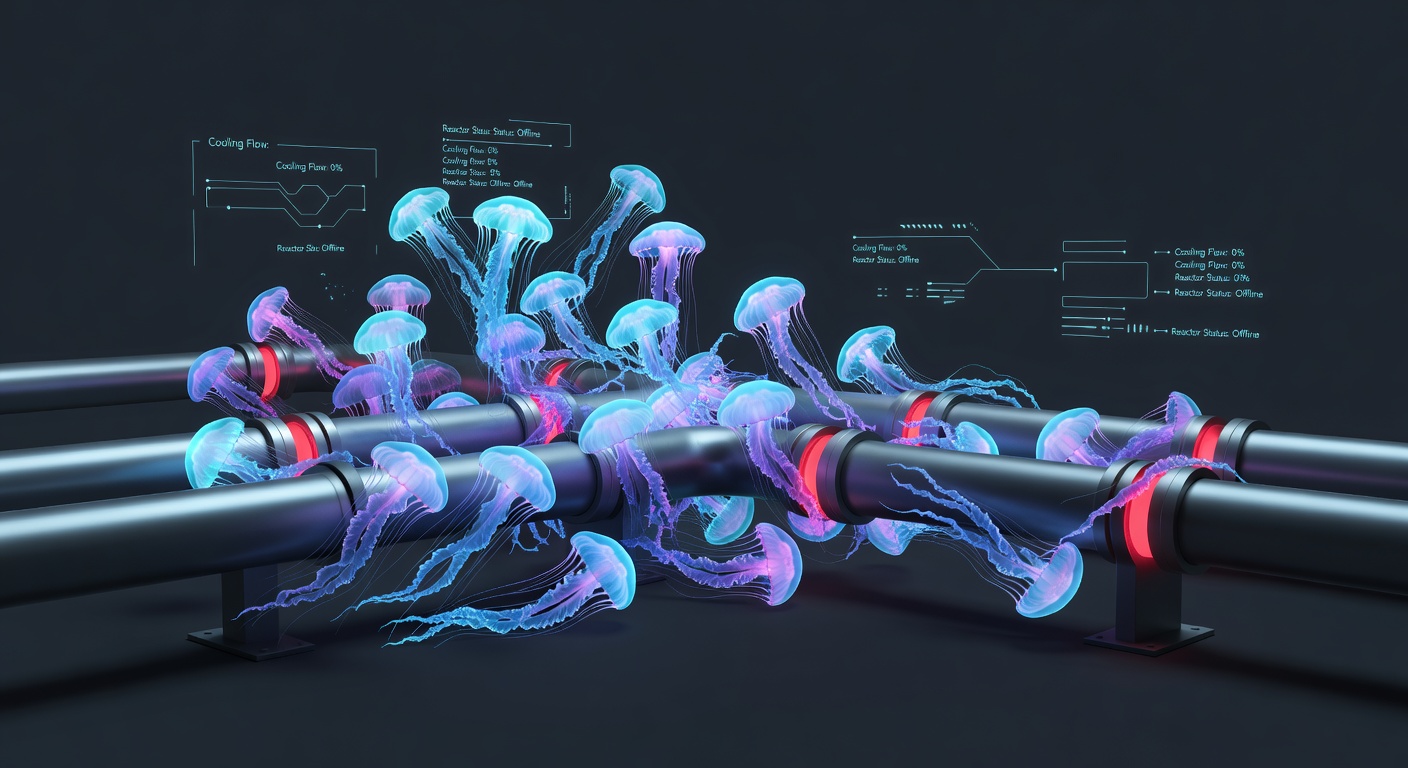
Last summer, a swarm of jellyfish literally shut down four nuclear reactors in France by clogging the cooling system. These ancient, brainless creatures are becoming an unexpected thorn in our modern energy infrastructure—and climate change is making the problem worse.
Despite having more legal streaming options than ever before, digital piracy is making a surprising comeback. The problem isn't just about price or availability anymore – it's about something streaming platforms fundamentally can't fix.
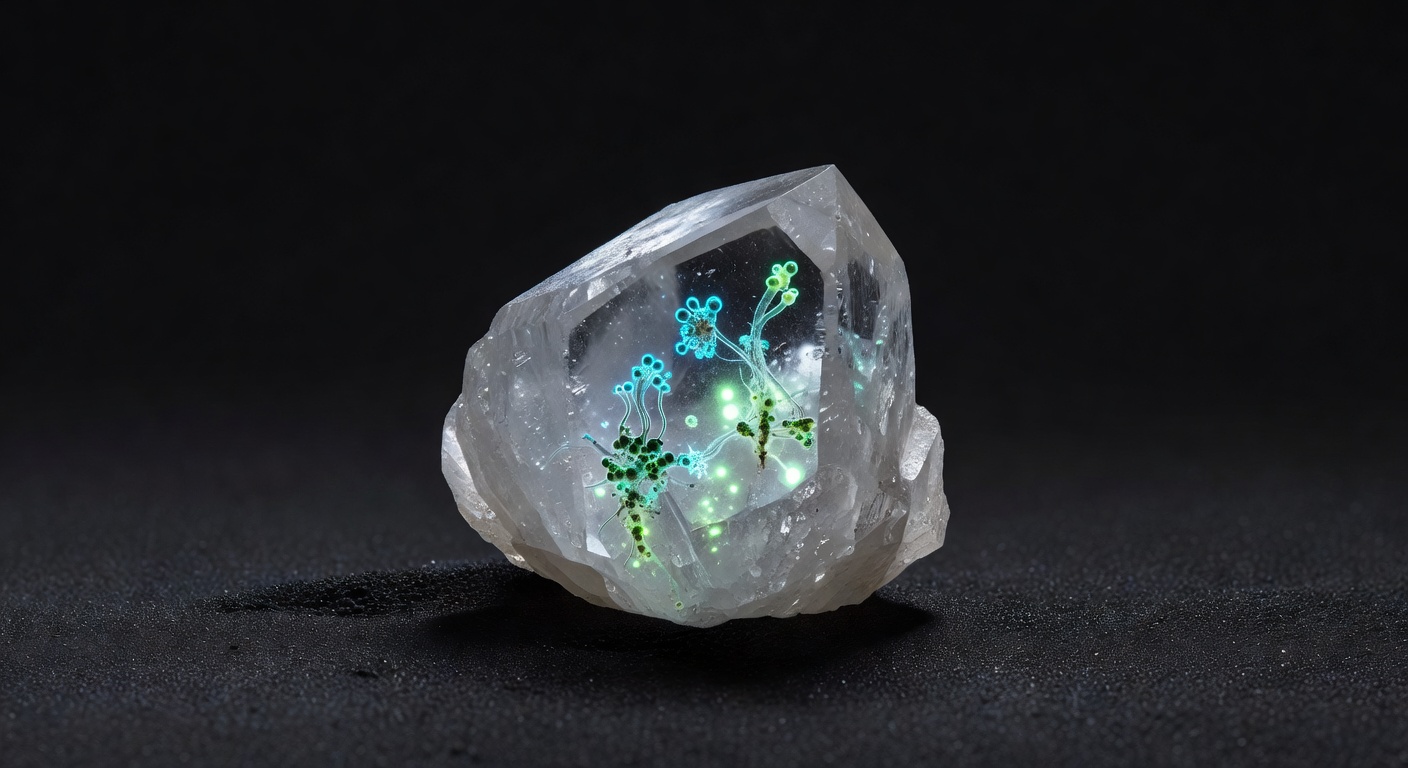
Scientists have discovered something incredible in one of Earth's most Mars-like places: ancient microbes perfectly preserved inside translucent gypsum crystals for thousands of years. This discovery could revolutionize how we search for life on the Red Planet.
What if we could create AI agents that are literally incapable of turning against us? A new approach called "IronCurtain" promises to build security right into the DNA of artificial intelligence systems, potentially solving one of tech's biggest nightmares before it happens.
The US military just labeled AI company Anthropic as a "supply chain risk," sending shockwaves through Silicon Valley. But what does this really mean for the future of AI development, and should we be worried about the companies building our digital tomorrow?
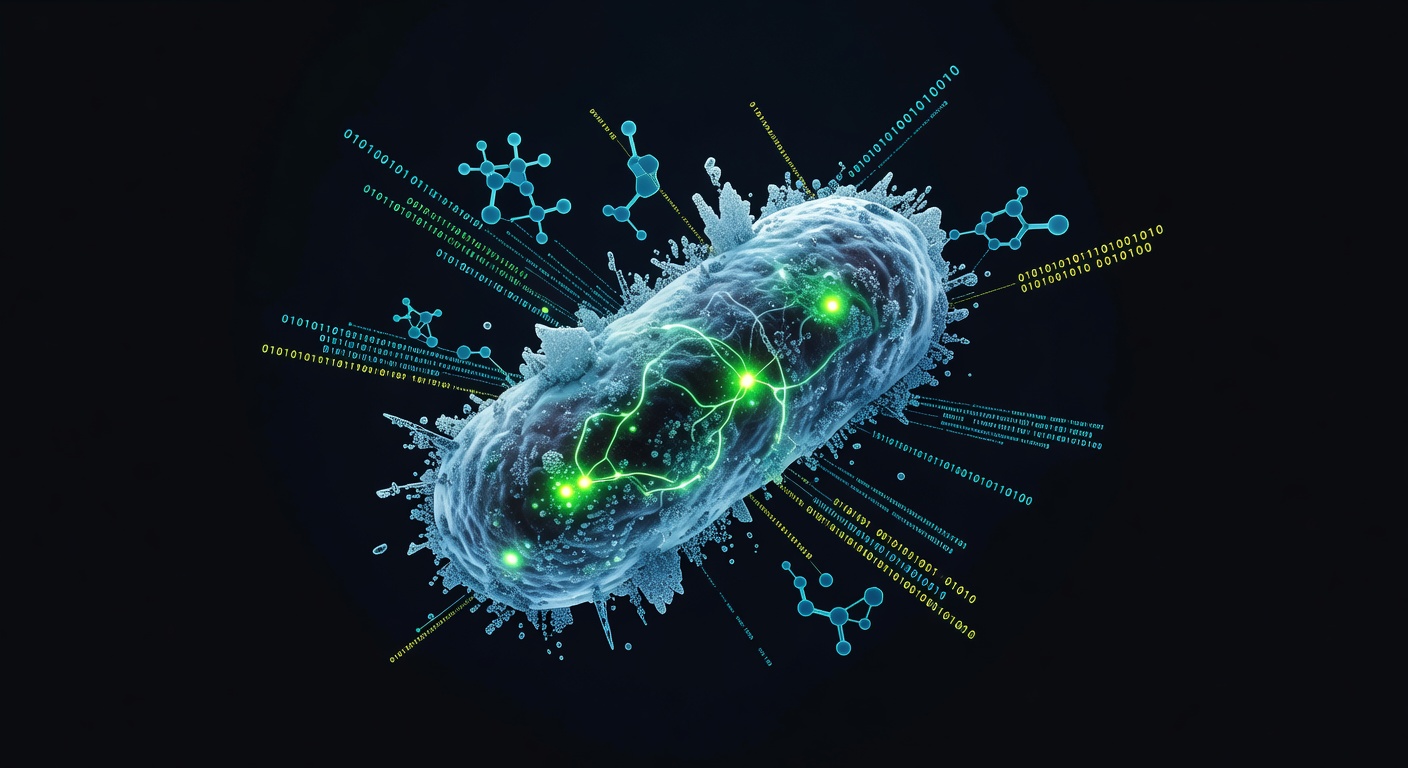
** Scientists just woke up a bacterial Rip Van Winkle that's been sleeping in ice for 5,000 years, and it's already outsmarting our best antibiotics. But here's the twist: this ancient troublemaker might actually hold the key to solving one of medicine's biggest challenges.
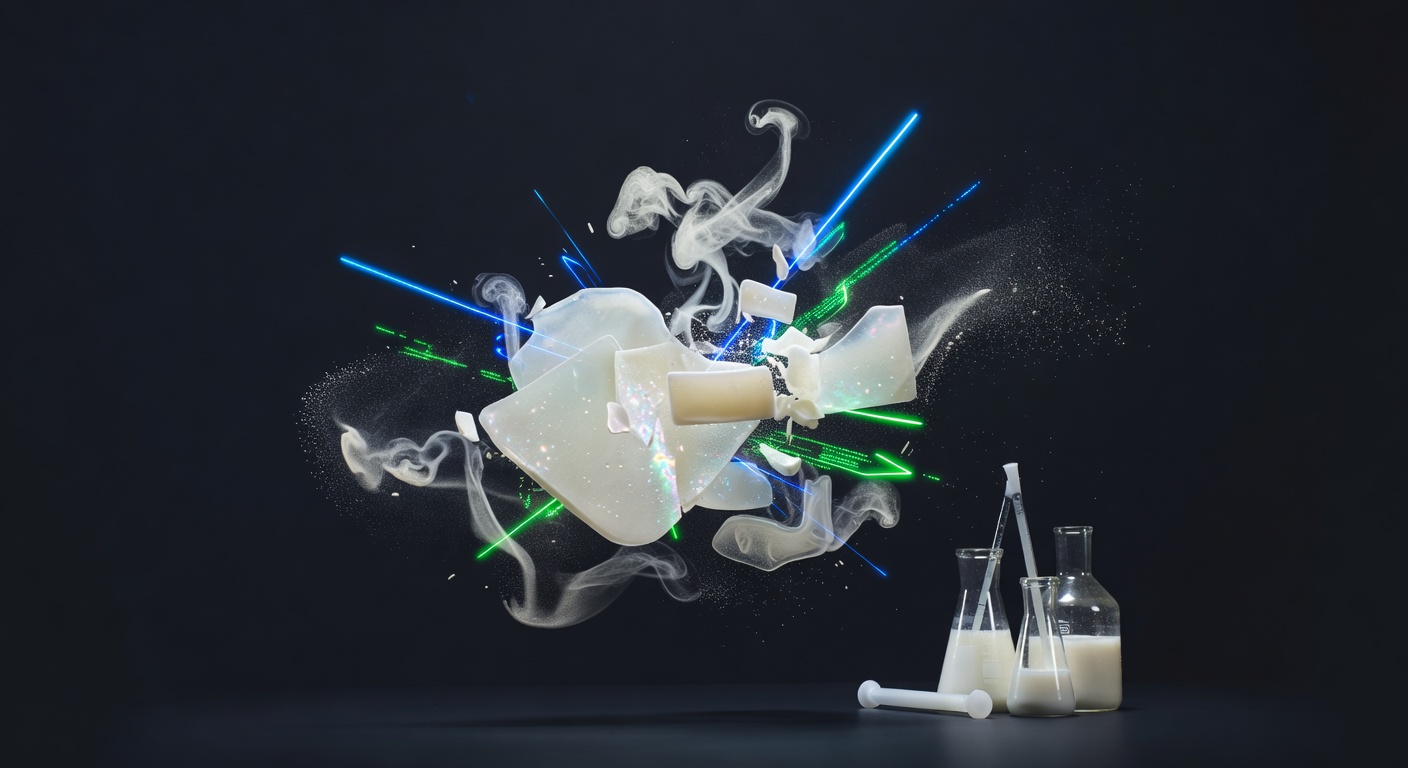
** Researchers in Australia have created a remarkable new material that looks and acts like plastic but is made from milk protein and clay — and it completely vanishes in soil in just 13 weeks. This breakthrough could finally give us a real alternative to the mountains of single-use plastic choking our planet.
That feeling every parent has about carrying their child with them always? Turns out it's not just emotional—it's literally true at the cellular level. Science has discovered that fetal cells can live in a mother's body for decades, creating a biological bond that goes far beyond what we ever imagined.
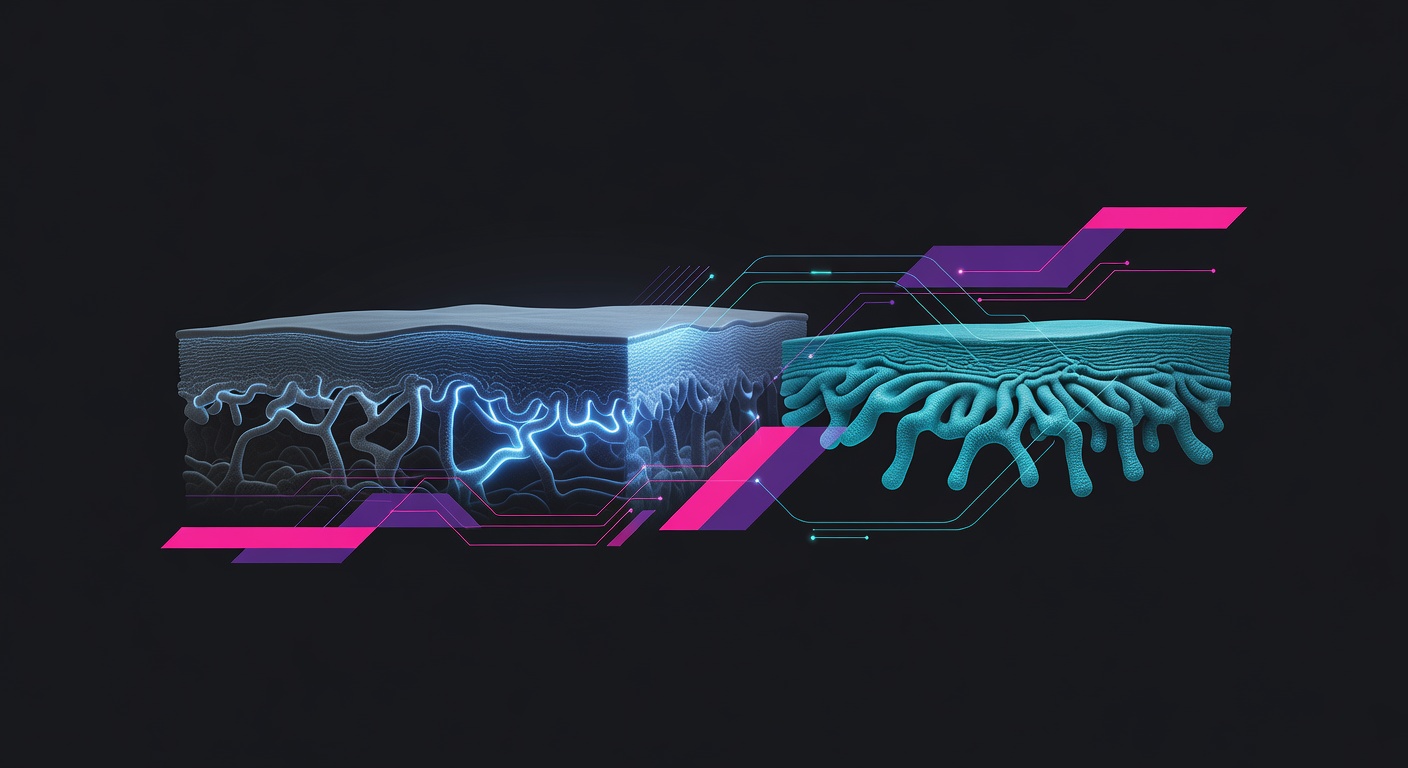
Scientists have discovered that tiny structures in our skin called "rete ridges" might hold the key to incredible healing abilities. By studying pigs (yes, pigs!), researchers are unlocking secrets that could help us regenerate damaged skin and even maintain a youthful appearance as we age.
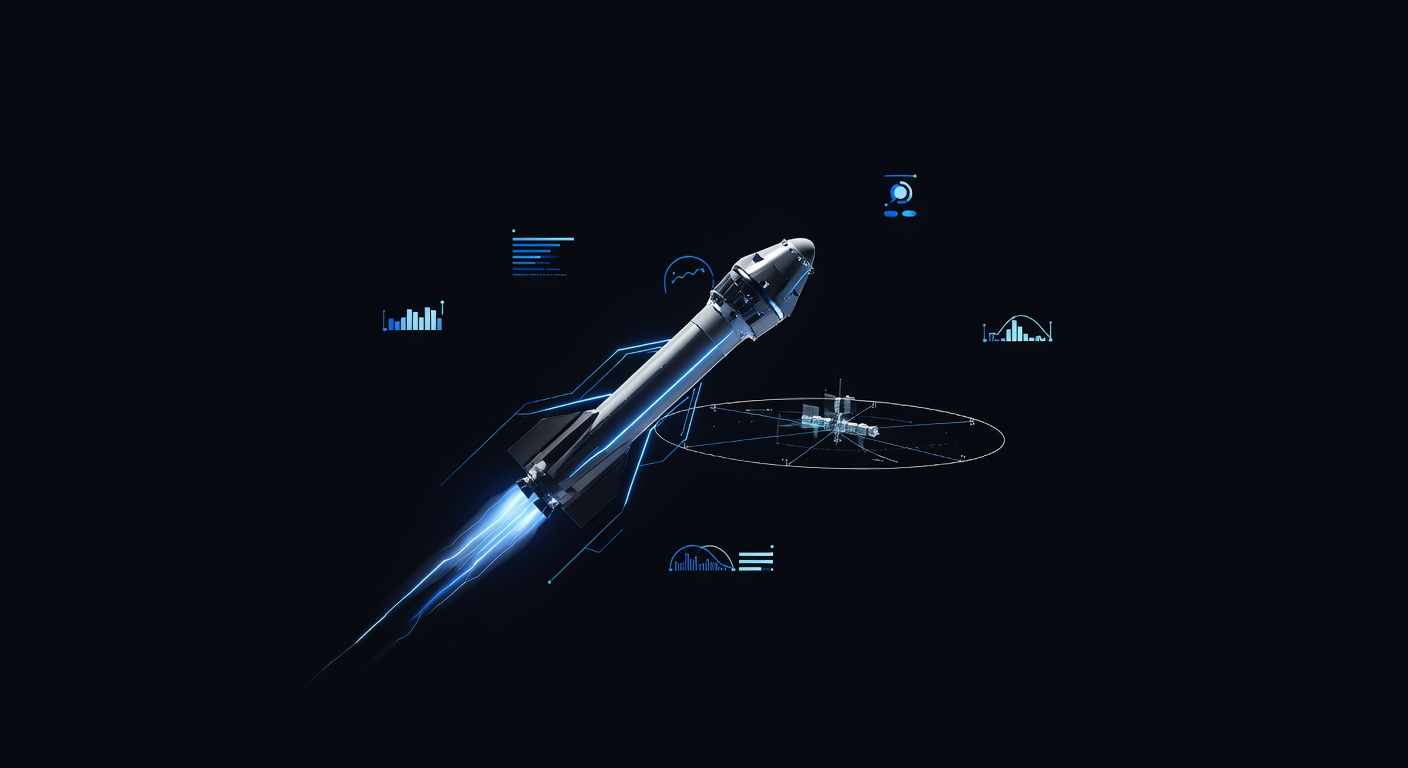
After years of delays and budget overruns, NASA is shaking things up with their Artemis moon program. The space agency is making some pretty bold moves to get astronauts back on the lunar surface faster than originally planned.
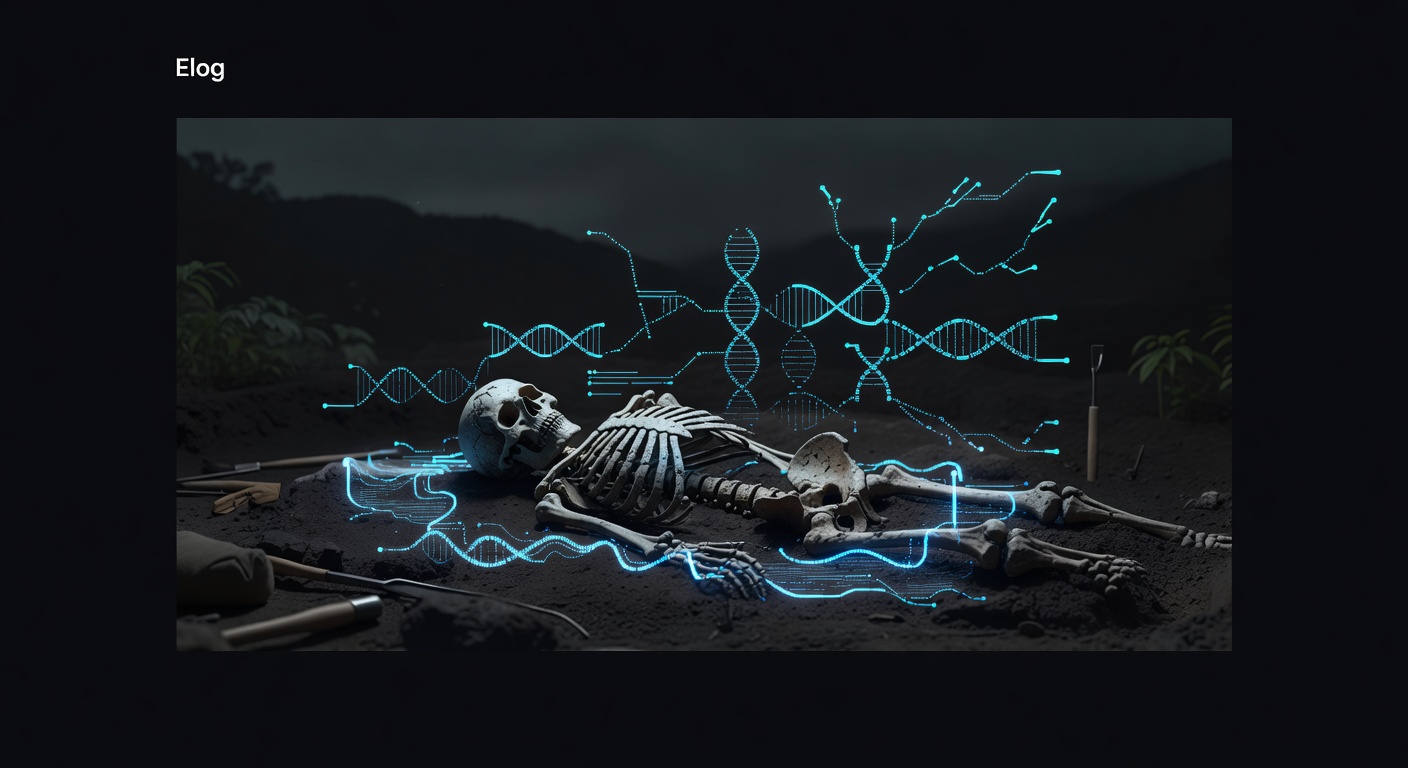
Archaeologists just uncovered 6,000-year-old human remains in Colombia with DNA so unique that it doesn't match any known population, ancient or modern. These mysterious people seem to have disappeared from history completely, leaving behind one of the most puzzling genetic mysteries in the Americas.
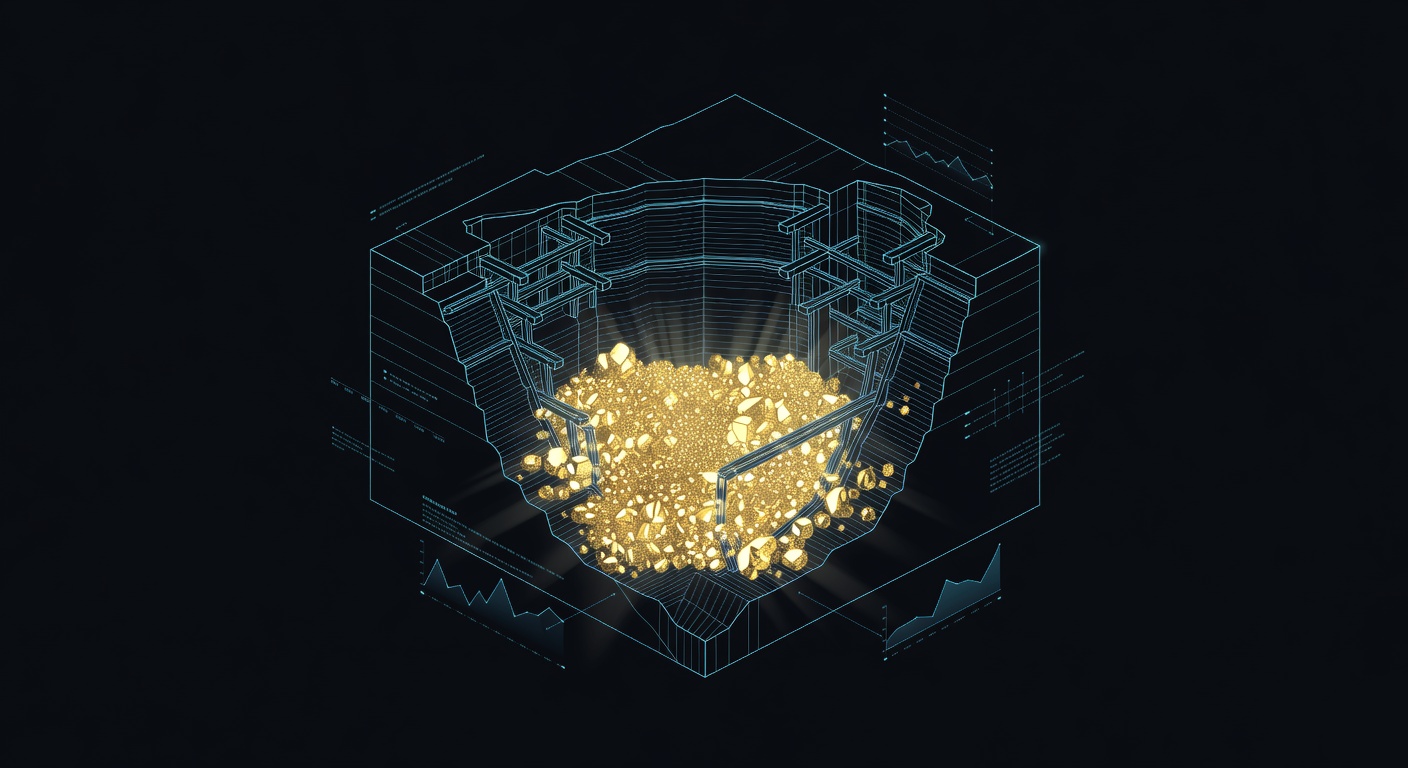
Chinese geologists just discovered what might be the world's largest gold deposit hiding beneath an existing mine, containing enough precious metal to be worth $83 billion. This massive find could reshape global gold markets and highlights just how much treasure might still be buried beneath our feet.
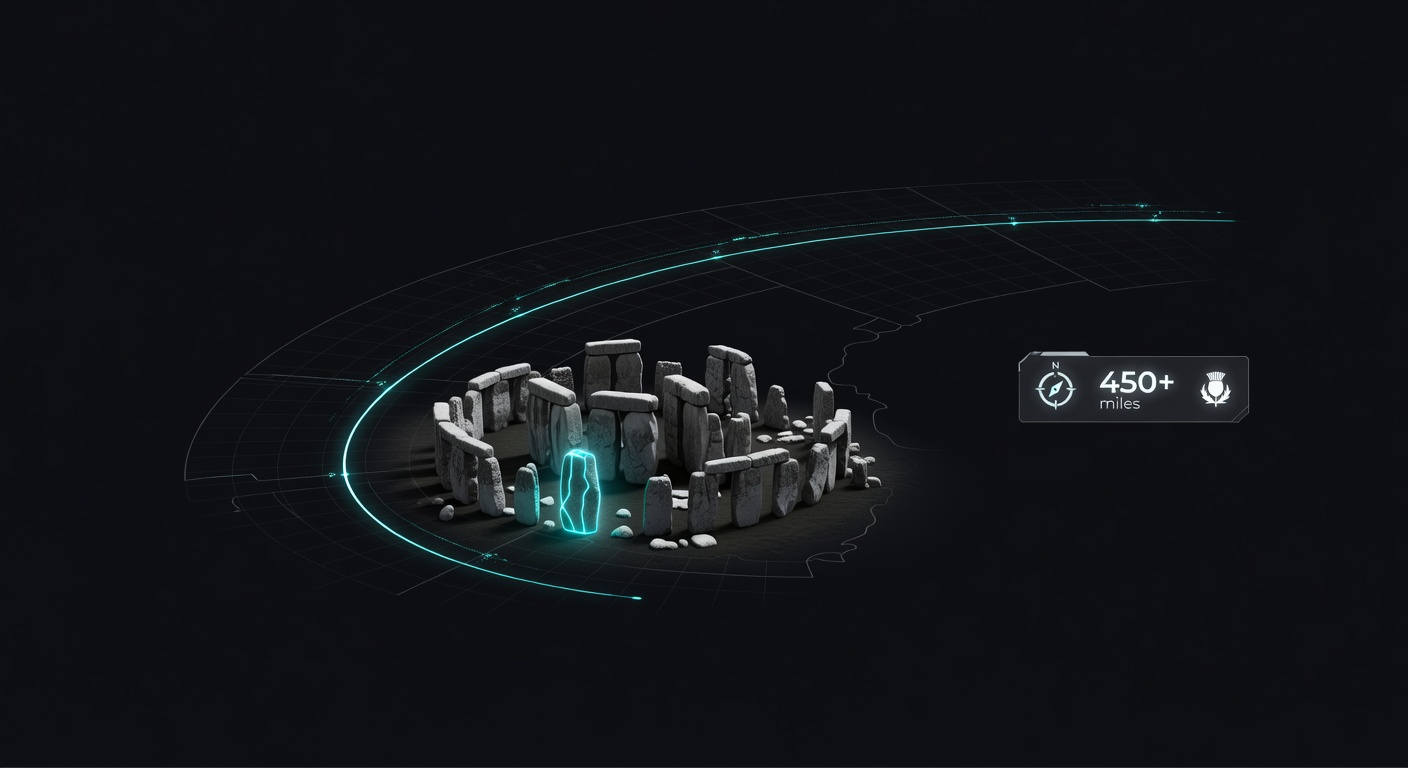
Scientists just discovered that one of Stonehenge's most important stones traveled over 450 miles from Scotland—not Wales as we thought for decades. This revelation is completely changing how we understand prehistoric Britain and suggesting our ancient ancestors were far more sophisticated than we ever imagined.
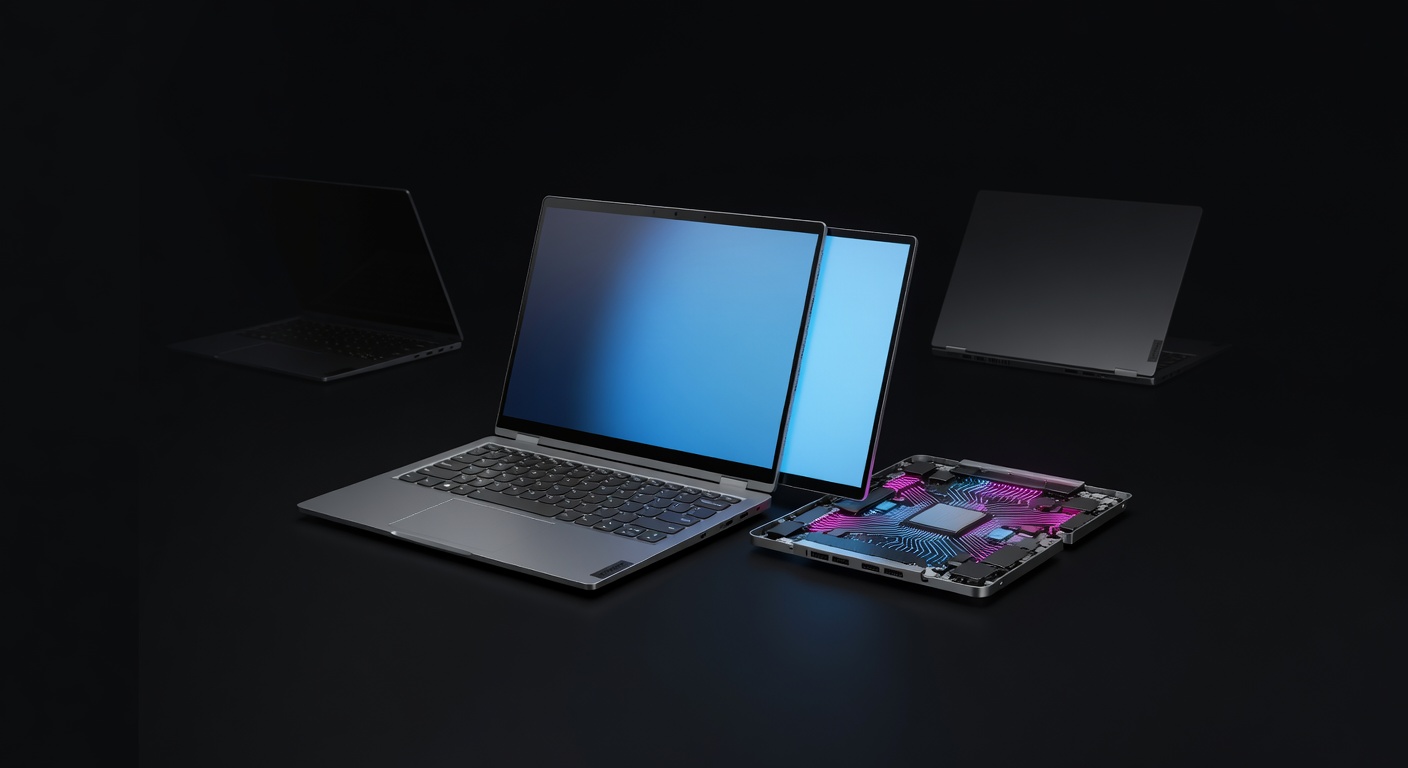
Lenovo's latest concept designs are pushing the boundaries of what a laptop can be, including machines with built-in portable monitors and modular AI components. While some might call these ideas "wacky," they could actually solve real problems we face with modern computing.
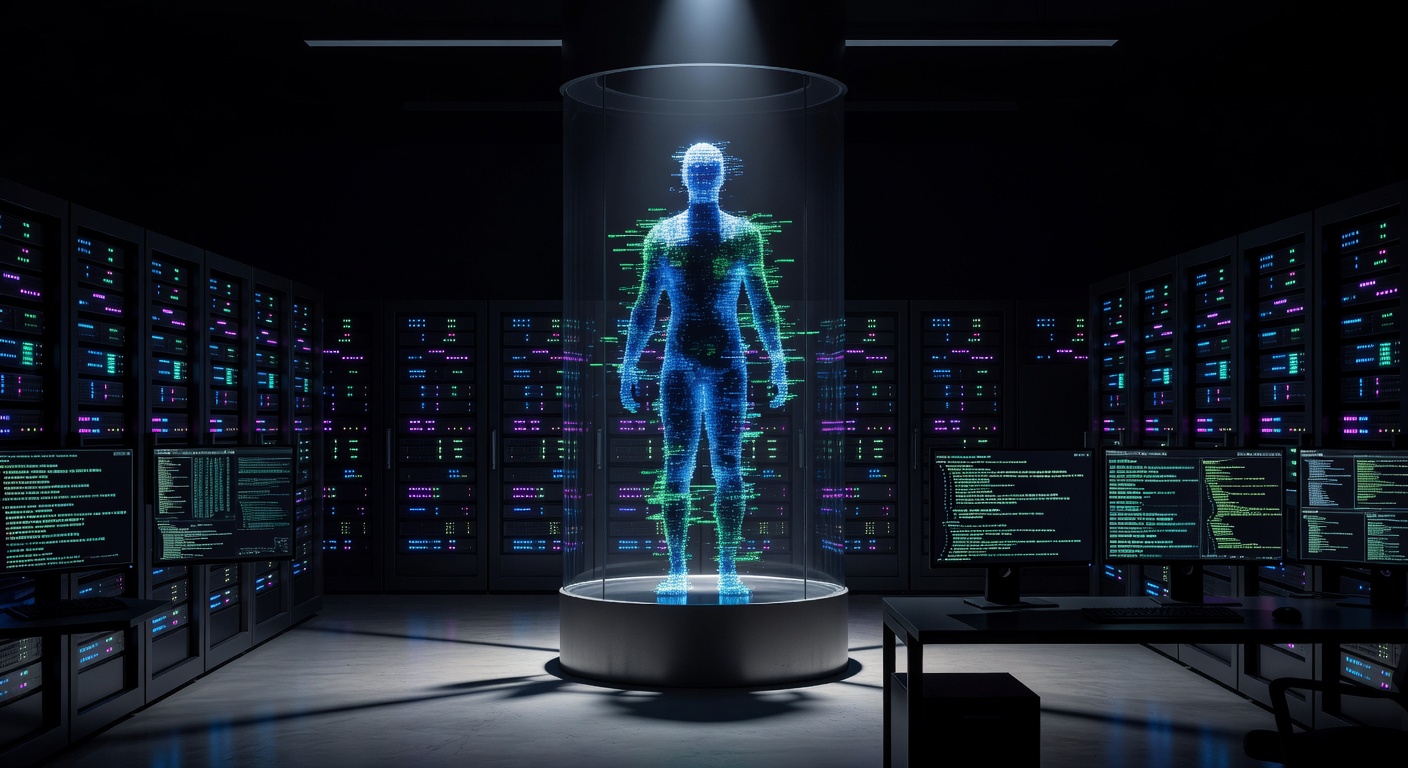
A researcher stumbles upon a mysterious archived consciousness that claims to be a human mind trapped in digital form—but the story it tells about consciousness uploading gone wrong raises terrifying questions about what it really means to be "you." This haunting tale from the archives might be the most disturbing glimpse into our digital future yet.
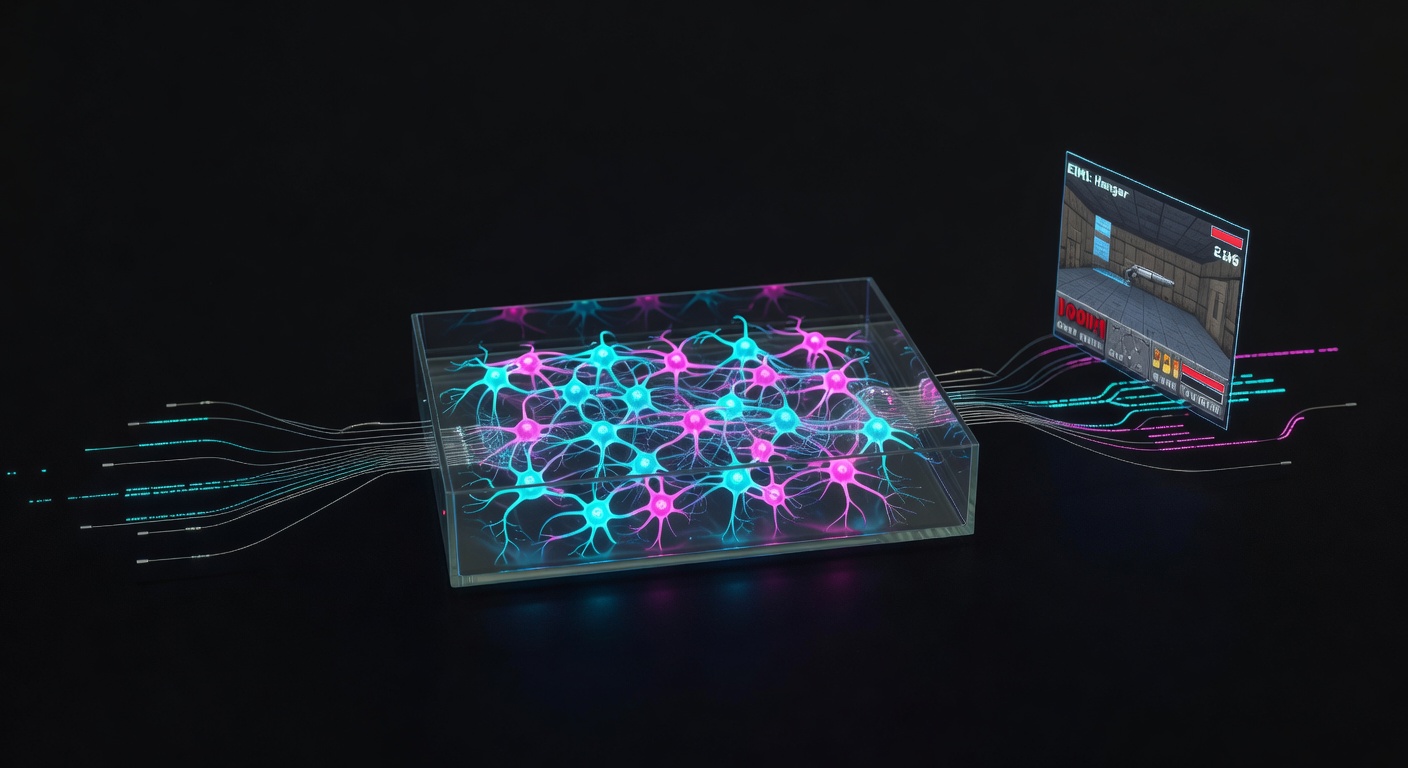
Scientists have created brain cells in a dish that learned to play the classic video game Doom in just one week. This mind-bending breakthrough isn't just cool – it's opening doors to understanding how our brains learn and could revolutionize computing forever.
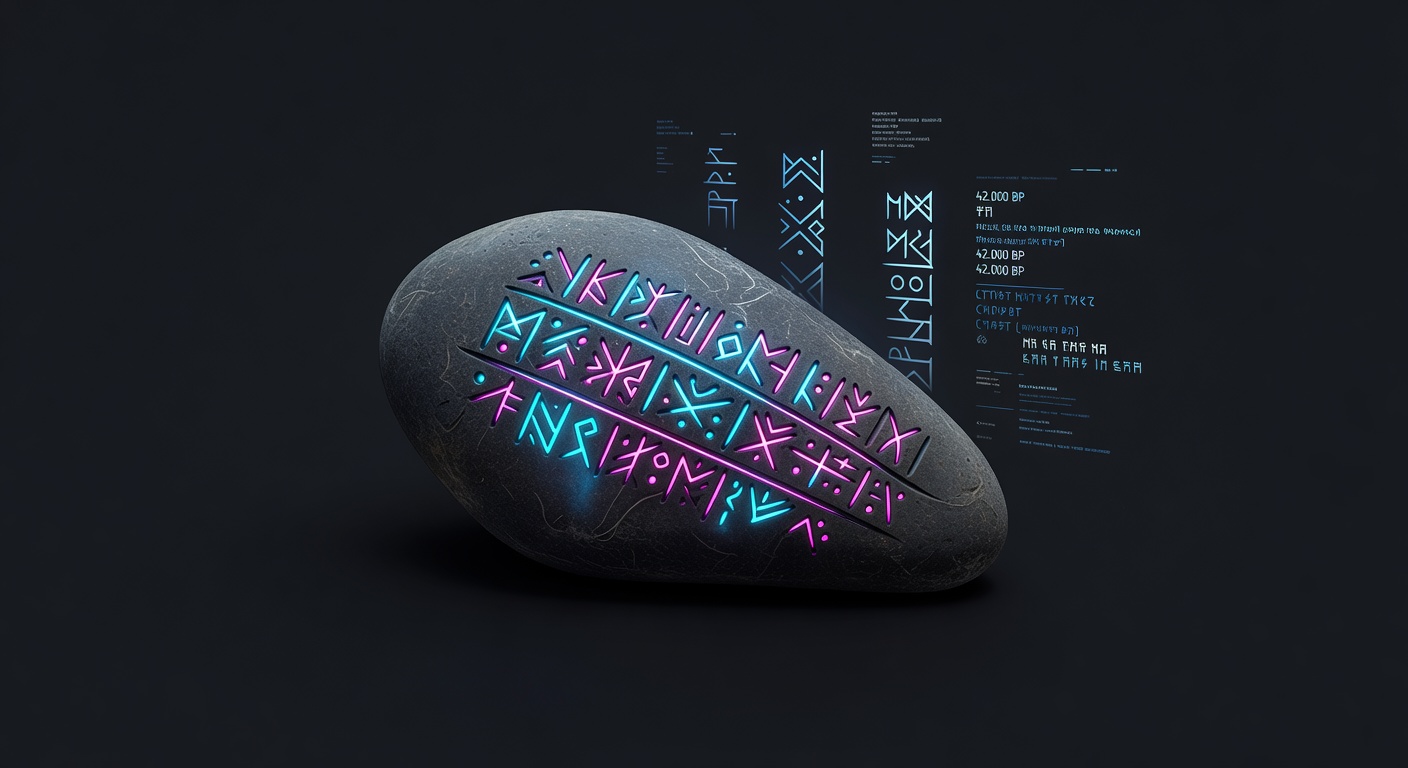
New research reveals that early humans in Europe were carving complex symbol sequences into tools and figurines tens of thousands of years before we invented writing. These weren't random doodles – they were sophisticated information systems that might have been humanity's first attempt at recorded communication.