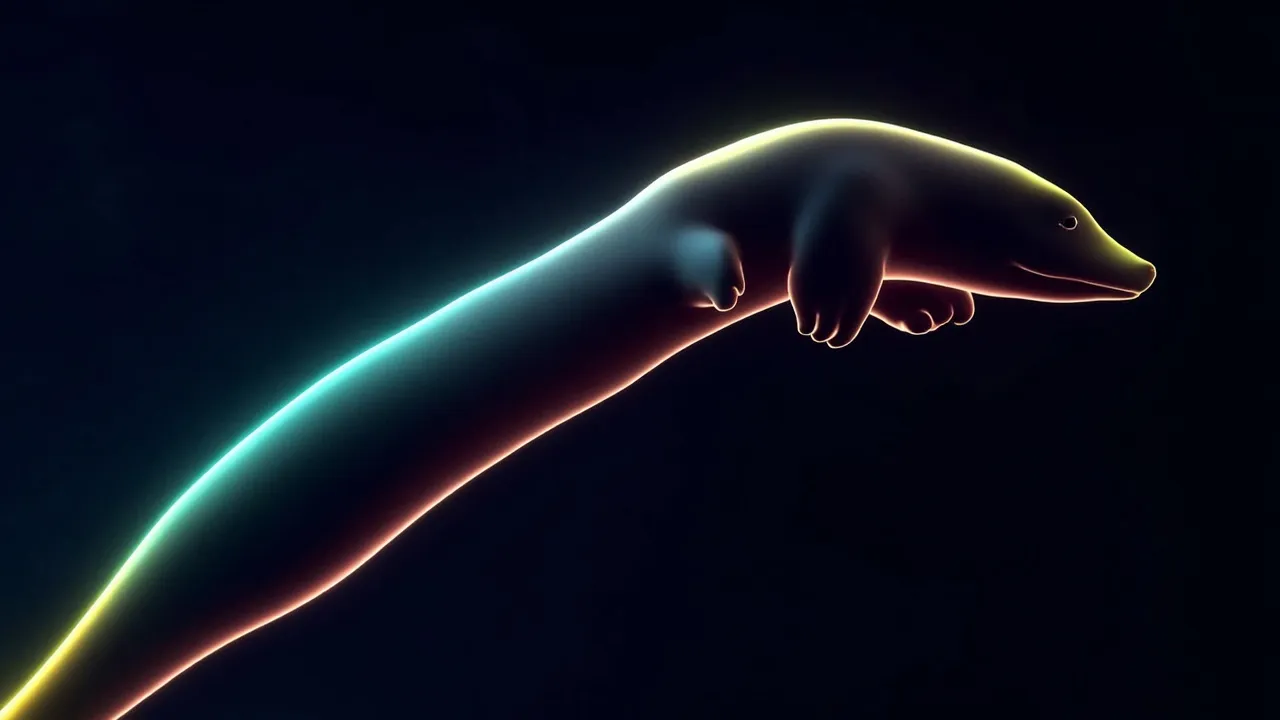
Scientists have discovered a tiny Jurassic predator that swam like an otter and possessed a crucial anatomical feature—one that eventually made it possible for mammals like us to develop big brains, nurse our young, and even drink coffee through a straw. This unassuming fossil is rewriting what we know about mammalian evolution.
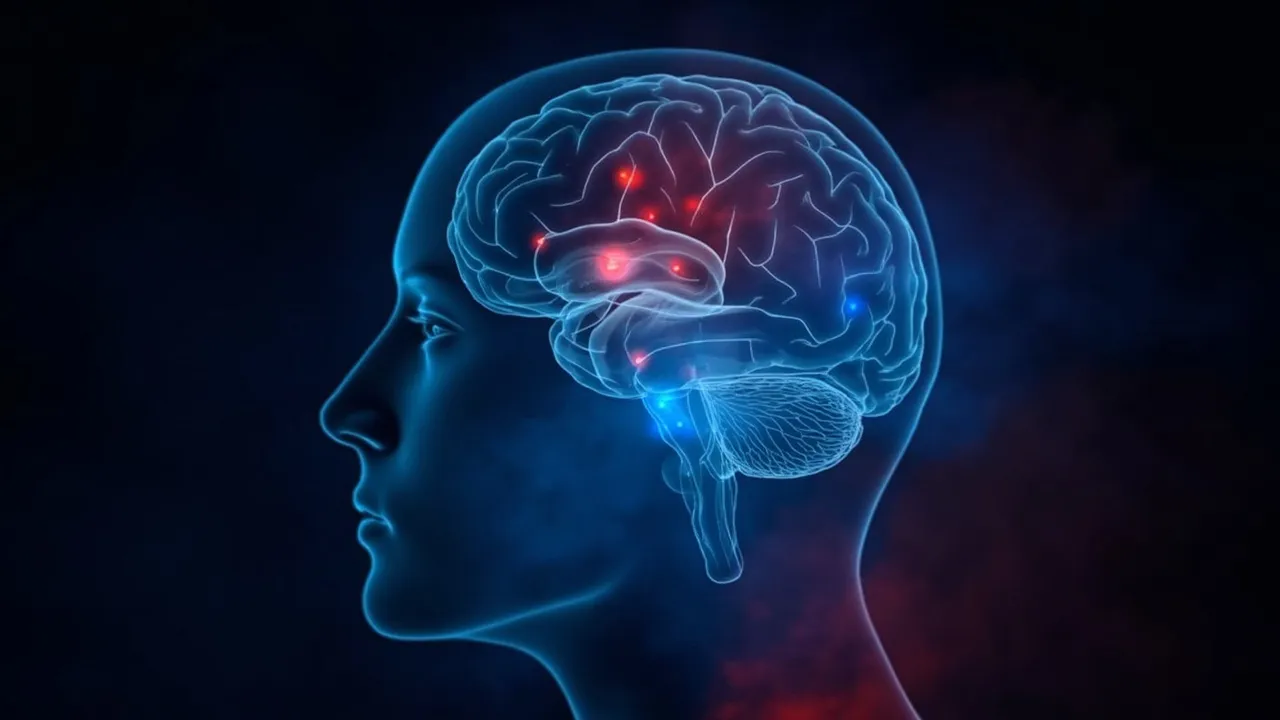
Scientists recently gathered three wildly different groups of people—spiritualists, extreme athletes, and psychiatric patients—and asked them about their ghostly encounters. What they discovered might unsettle you more than any haunted house ever could.
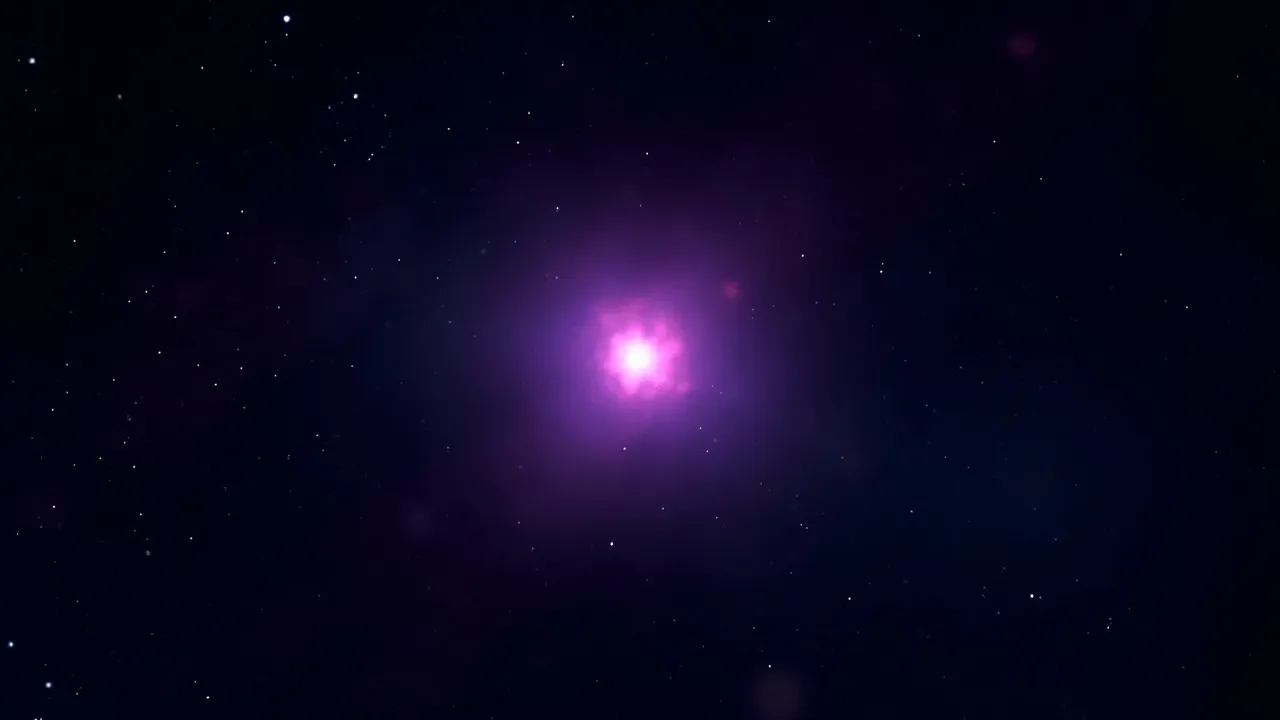
Scientists using the James Webb Space Telescope have discovered an ancient galaxy cluster that shouldn't exist yet, challenging everything we thought we knew about how the universe grew up.
Every time you stick a magnet to your refrigerator, you're witnessing something that should be impossible: a tiny piece of metal winning a tug-of-war against the gravitational pull of our entire planet. Now scientists have a wild theory about what's really going on—and it involves invisible dimensions hiding all around us.
Imagine being pushed around by a ghost you can't see or touch—that's basically what just happened in a quantum physics lab at Oxford, where researchers made a particle freeze in place using a magnetic field it never actually passed through. This weird effect, predicted over 60 years ago, is now bringing us one step closer to understanding—and maybe one day building—powerful quantum computers.
Futurist Ray Kurzweil has doubled down on his prediction that humans will merge with machines by 2045—and honestly, the technology to make this happen is looking less sci-fi every single day.
Stanford researchers have created a molecule that essentially hijacks one of cancer's own tools and turns it against the tumor. In mice, aggressive lymphomas vanished within just 11 days of treatment. It's a clever approach that might change how we think about fighting cancer.
Here's something that blew my mind: the same vanilla extract you use for cookies and scented candles could one day help heal chronic wounds. Scientists down under have discovered that the compound responsible for vanilla's sweet aroma has some seriously impressive healing properties—and they think it could become a game-changer in medical treatments.
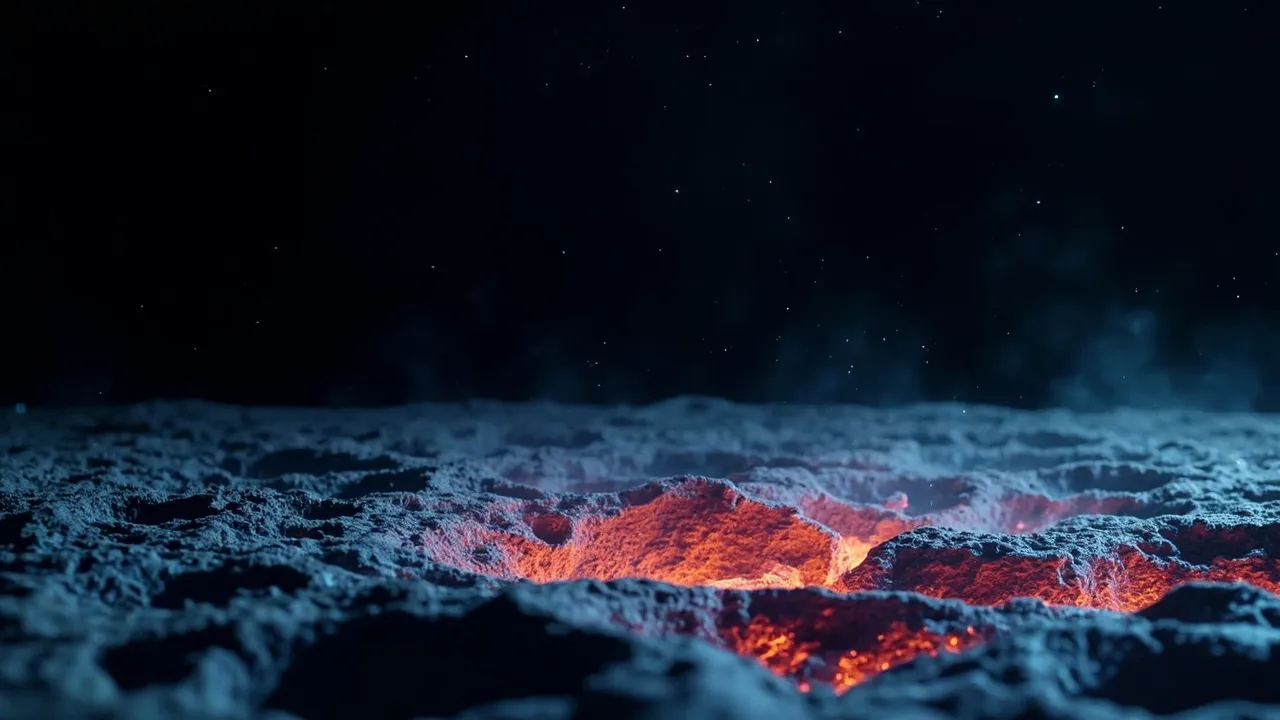
Scientists have discovered a strange, bright patch of ancient rock in southern Madagascar that looks remarkably similar to the rocks found on our Moon. This discovery is helping researchers understand how our lunar neighbor formed billions of years ago—and the story behind these rocks is way cooler than you might expect.
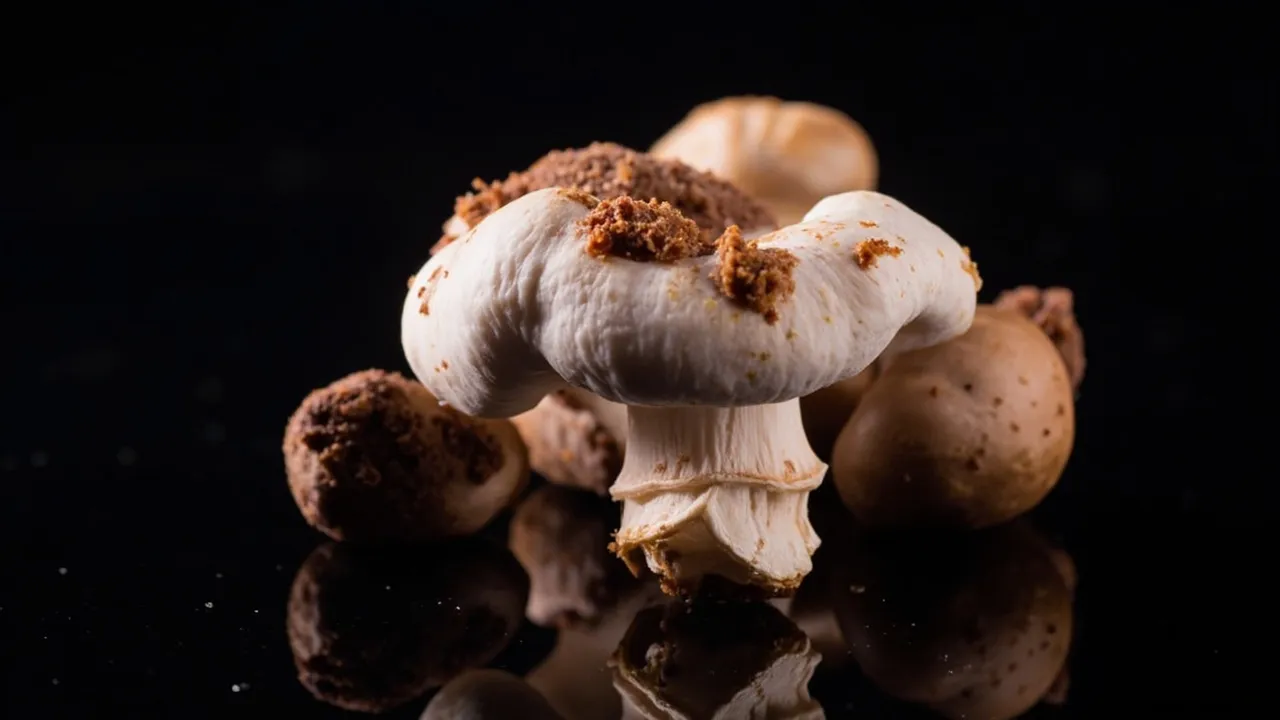
If you've ever bought mushrooms that looked perfect at the store but developed suspicious brown spots by the time you got them home, this story is for you. Scientists have finally cracked a century-old mystery about why this common mushroom disease has been so incredibly hard to fight.
Ever had a song stuck in your head? Now imagine that times a thousand, except you can't just hum along and move on. Scientists have been studying people who hear full-blown musical hallucinations, and what they've discovered about our brains is equal parts fascinating and unsettling.
That vibrant sunset you photographed yesterday? It's all an elaborate illusion cooked up by your brain. Scientists have been arguing for years that color doesn't actually exist in the way we think it does—and honestly, their argument is pretty hard to refute.
Scientists have discovered a strange genetic passenger that rides around in your neurons while simultaneously hopping into viruses and possibly contributing to diseases like cancer and Alzheimer's. It's like discovering your car's engine has a stowaway who's also been found sneaking onto planes.
Here's a question that kept me up at night: Why does life exist at all? It turns out the answer might be stranger than I ever imagined — and it has everything to do with how easily liquids flow. Scientists recently discovered that the very constants governing our universe seem fine-tuned to let water (and other life-sustaining fluids) move in just the right way.
Imagine your priest quietly selling you a magic charm while the bishop from town publicly declared anyone who owned one would be kicked out of church. This actually happened in early Christianity, and the evidence is absolutely fascinating.
I tried to dive into a fascinating ScienceDaily article from October 2026, only to be greeted by a cryptic 404 error. Instead of giving up, I decided to explore what these digital ghost stories actually mean—and why they're more important than you might think.
We all joke about manifesting our dream life while scrolling through Instagram, but a Stanford neuroscientist spent decades studying whether there's actual science behind this concept. The answer might surprise you — and it has nothing to do with the Law of Attraction TikTok videos.
Scientists have discovered a clever new approach to gum disease that doesn't involve blasting your mouth with harsh chemicals. Instead of trying to wipe out all bacteria, they're learning to manipulate the conversations bacteria have with each other — and it's showing real promise.
Researchers have discovered that blocking a specific receptor in the brain can significantly reduce inflammation linked to devastating neurological conditions like Alzheimer's and Parkinson's disease. The exciting part? Drugs that target this receptor already exist, which could fast-track potential treatments.