
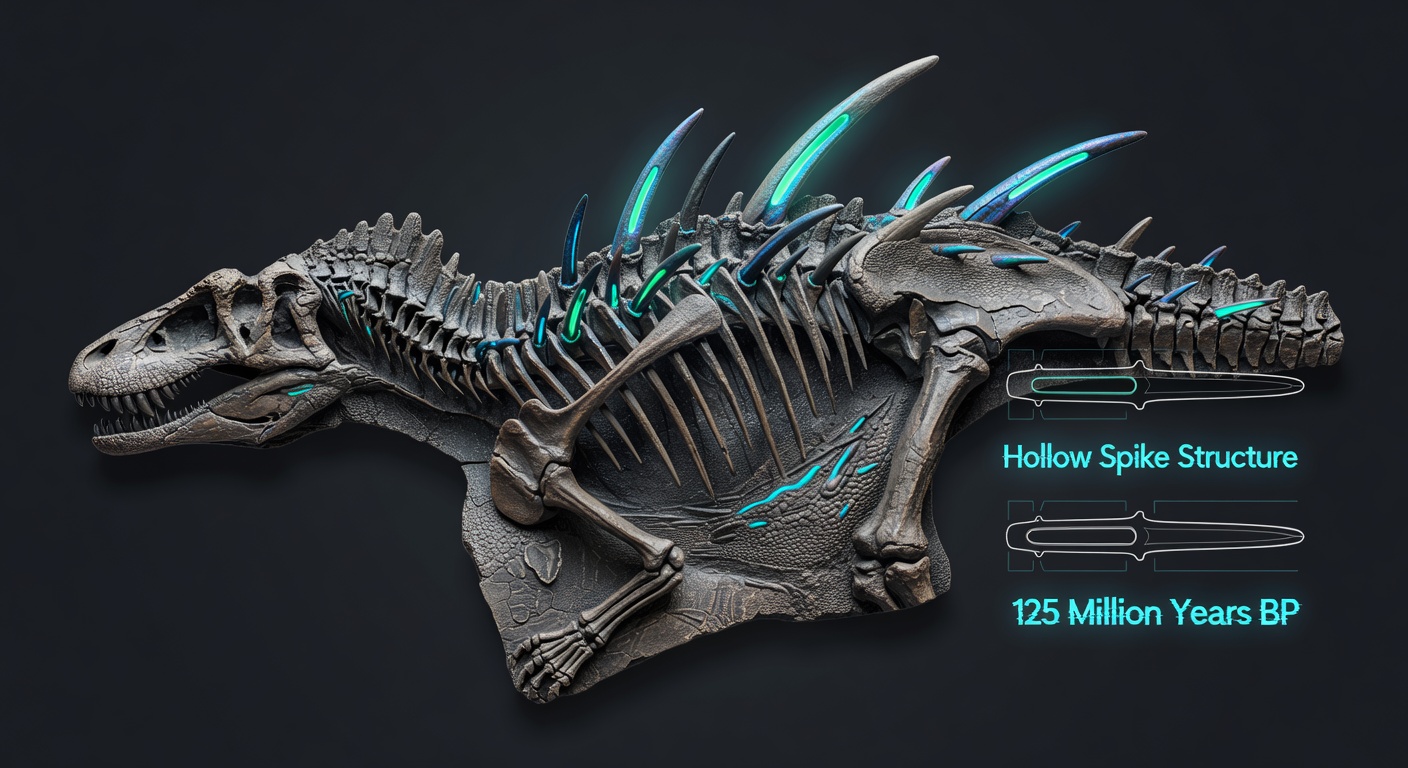
Paleontologists have discovered a new iguanodontian dinosaur species, Haolong dongi, with unprecedented hollow spikes embedded in its skin, preserved in stunning detail after 125 million years. These porcupine-like structures likely served as defenses against predators, and possibly for thermoregulation or sensing the environment. This breakthrough reveals dinosaurs had more diverse and innovative body coverings than we ever imagined.

Google is rolling out its advanced Lyria 3 AI music model to Gemini users today, allowing anyone to generate full songs—including instrumentals and vocals—from text prompts without needing lyrics. This integration democratizes music creation, making it accessible for hobbyists, creators, and educators alike. It's a game-changer in AI-driven creativity, building on Google's YouTube Shorts experiments.

In a stunning reversal, the FDA has decided to review Moderna's innovative mRNA-based flu vaccine just weeks after unexpectedly rejecting it, signaling a potential breakthrough in seasonal influenza prevention. This move revives hopes for a next-generation shot that could offer broader and more durable protection against evolving flu strains. The decision underscores the promise of mRNA technology, proven in COVID-19 vaccines, now targeting the flu.

Long before oxygen became a staple of Earth’s atmosphere, ancient microbes may have already evolved to use it, according to new research from MIT. This discovery, dating back to a time hundreds of millions of years before the Great Oxidation Event, suggests that early life forms could have been consuming oxygen as soon as it was produced, potentially delaying the buildup of atmospheric oxygen. This finding reshapes our understanding of how life adapted to oxygen on early Earth.
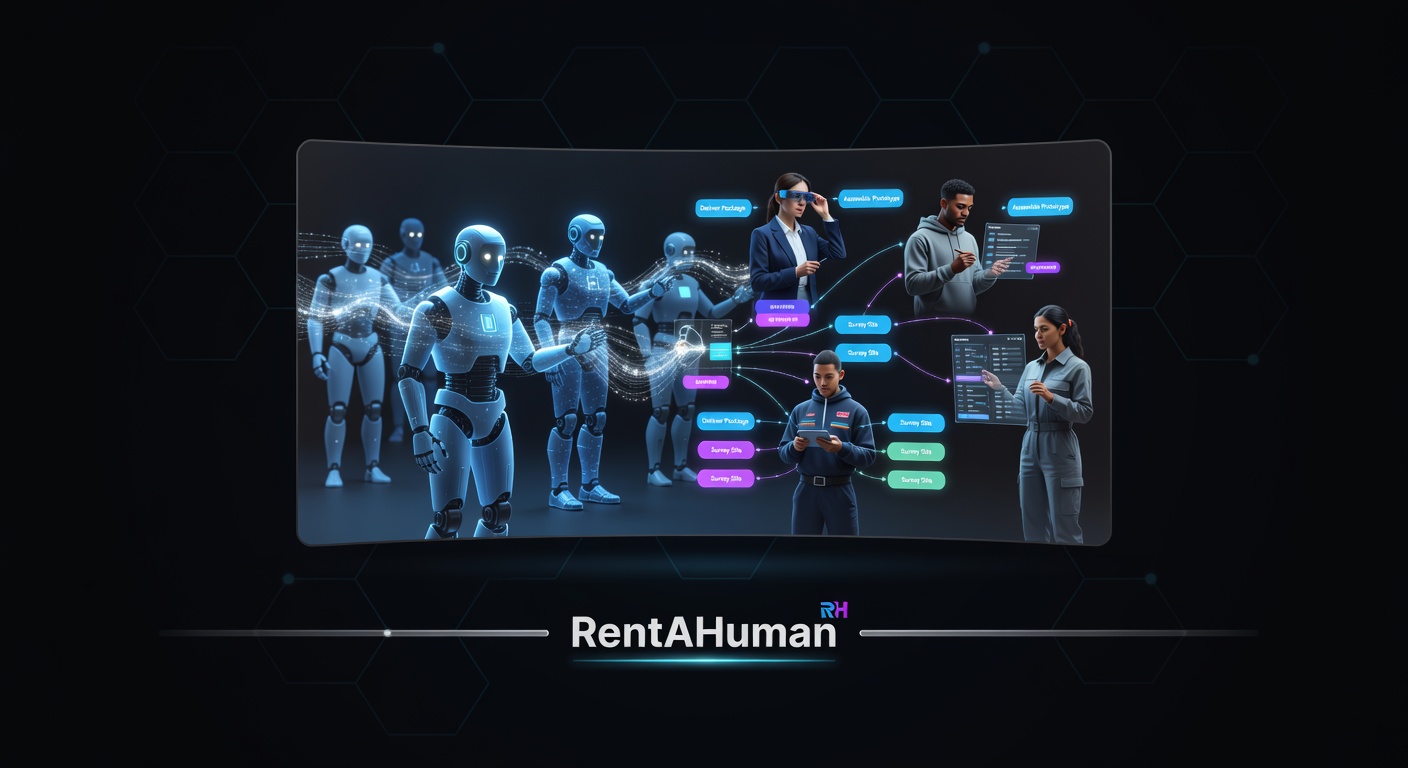
Imagine a world where AI bots are your bosses, hiring you for real-world tasks through a digital marketplace. RentAHuman, a platform created by Zoomer founders, is making this sci-fi concept a reality by connecting AI agents with human workers. This innovative service is redefining the gig economy and raising fascinating questions about the future of work.
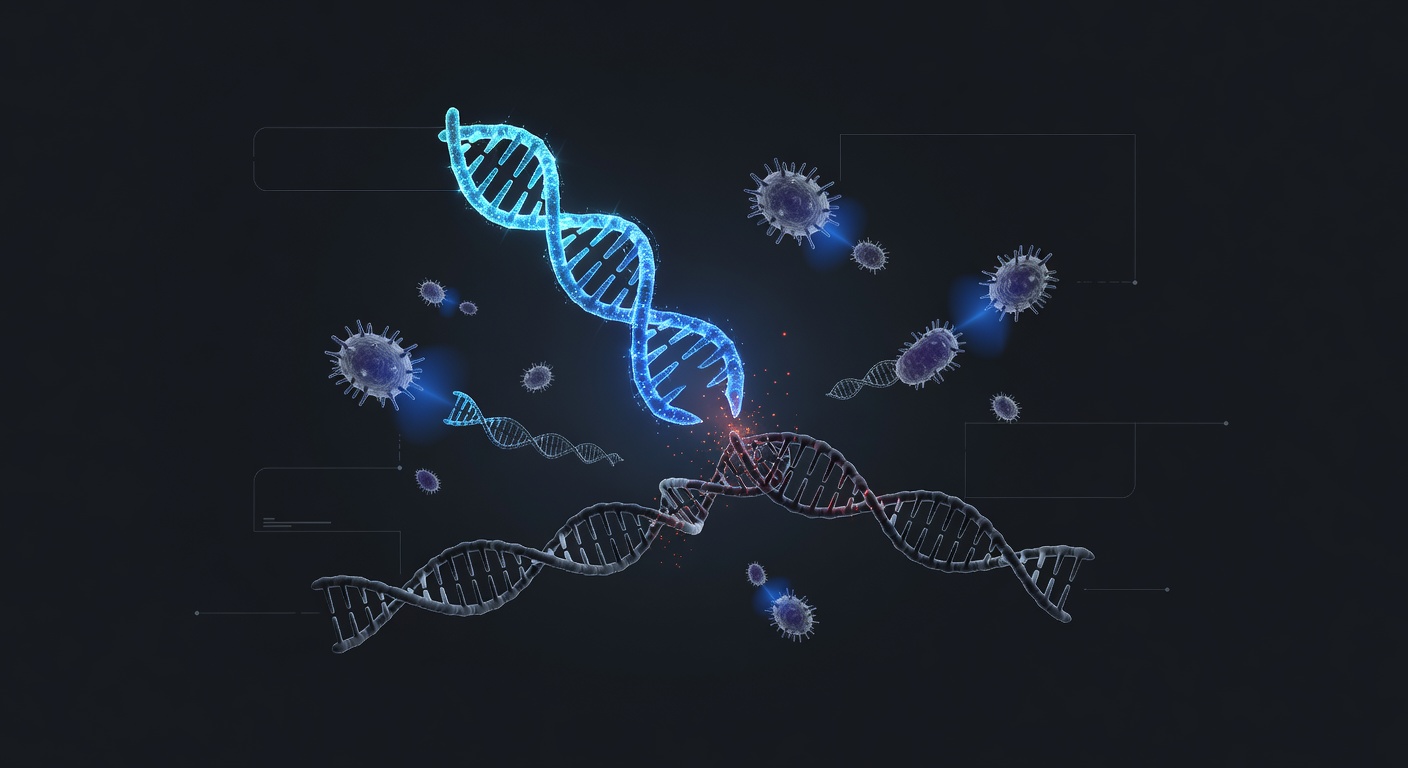
Antibiotic resistance is a growing global health crisis, with "superbugs" projected to cause over 10 million deaths annually by 2050. Researchers at UC San Diego have developed a groundbreaking CRISPR-based system, pPro-MobV, to combat this threat by disabling resistance genes in bacterial populations. This innovative approach could transform how we tackle infections in hospitals, farms, and environmental settings.
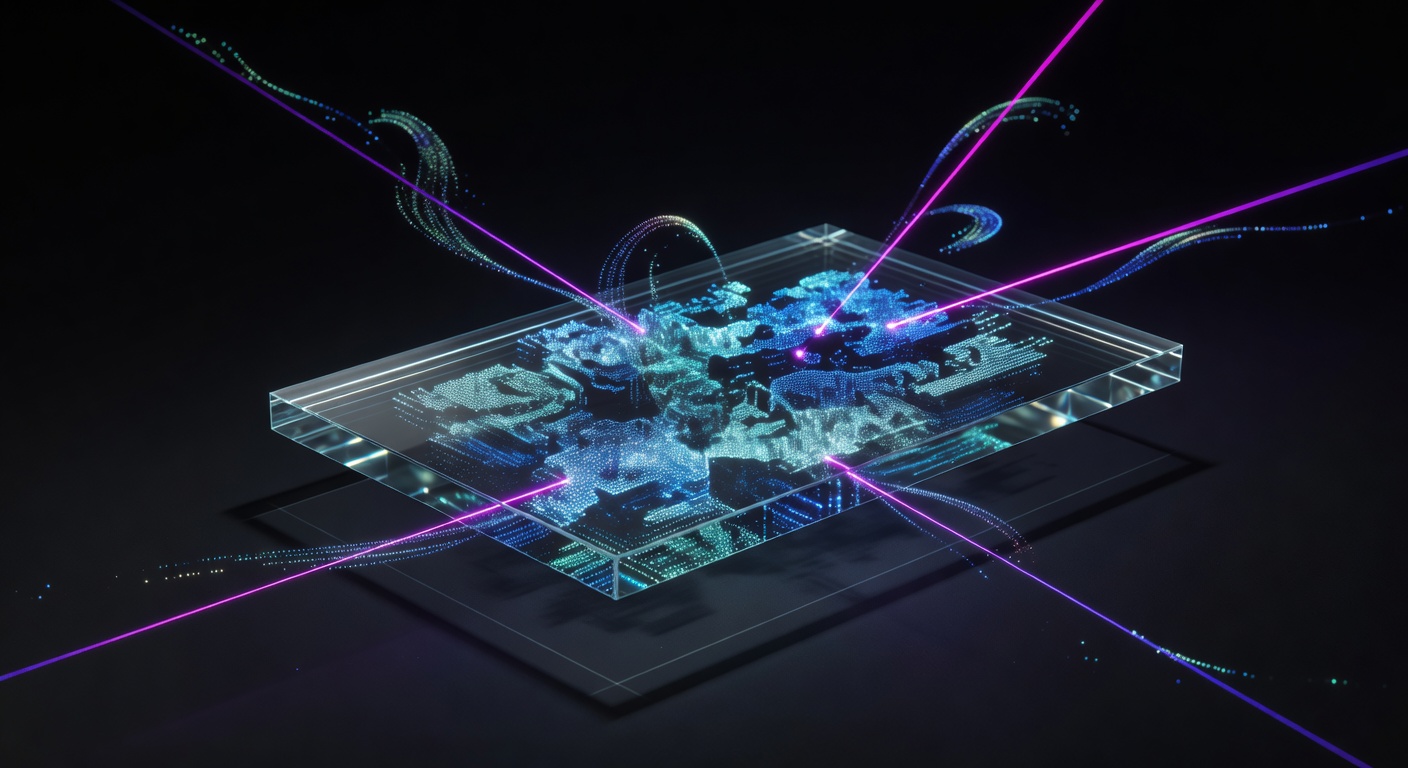
Microsoft has unveiled a groundbreaking data storage solution using glass, designed to preserve information for up to 10,000 years. This innovative technology employs femtosecond lasers to etch data into a durable glass medium, promising a future-proof way to archive humanity’s most critical data. Let’s dive into how this could transform the way we store information for generations to come.
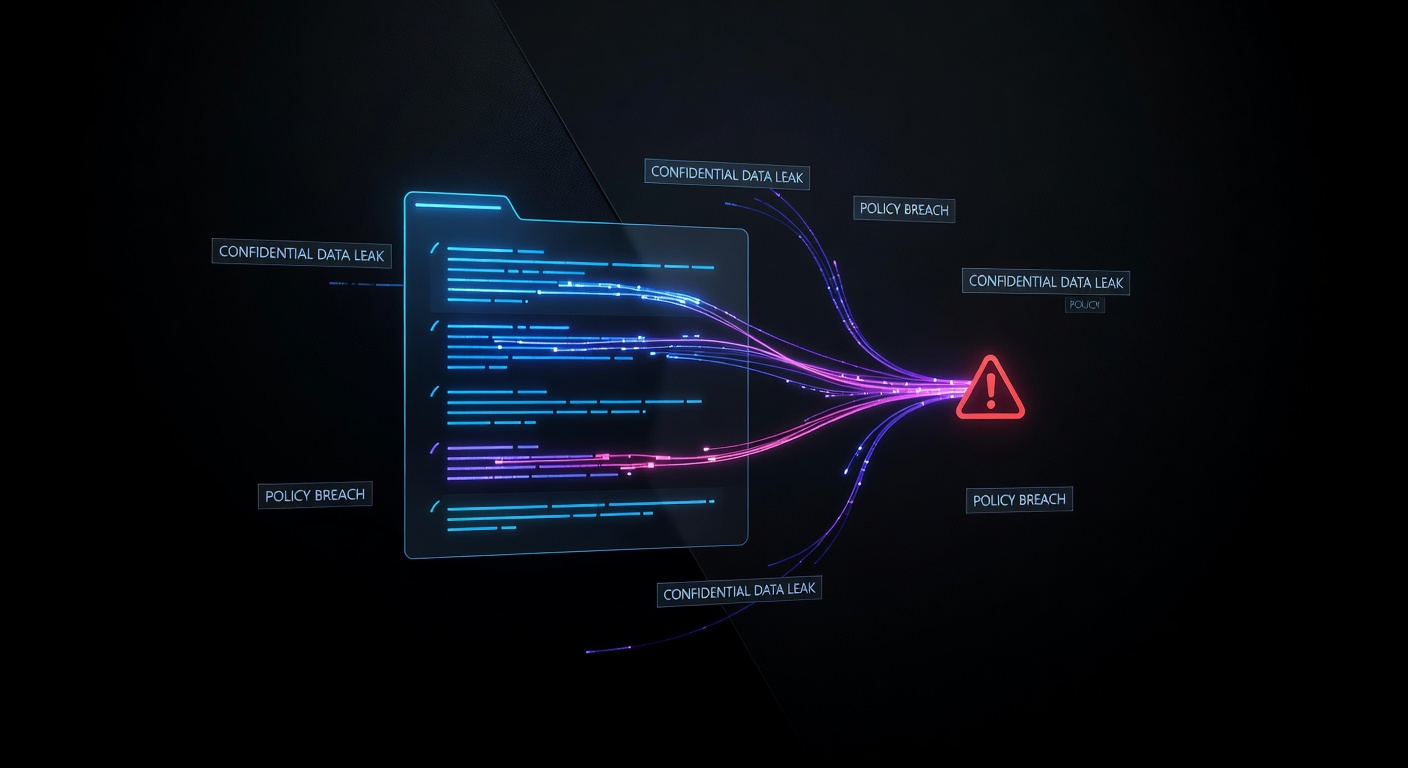
A recent bug in Microsoft 365 Copilot has been found to summarize confidential emails, ignoring data protection policies since late January. This glitch affects the AI assistant's "work tab" chat feature, potentially exposing sensitive information from users' Sent Items and Drafts folders. Microsoft is rolling out a fix, but the full scope of the issue remains under investigation.

** As we step into 2026, the world of science and technology brims with groundbreaking advancements and pressing challenges. From nuclear energy's resurgence to AI-driven privacy concerns, this year promises to shape our future in profound ways. Join us as we explore the key topics highlighted by Scientific American that will define the global and local landscape.
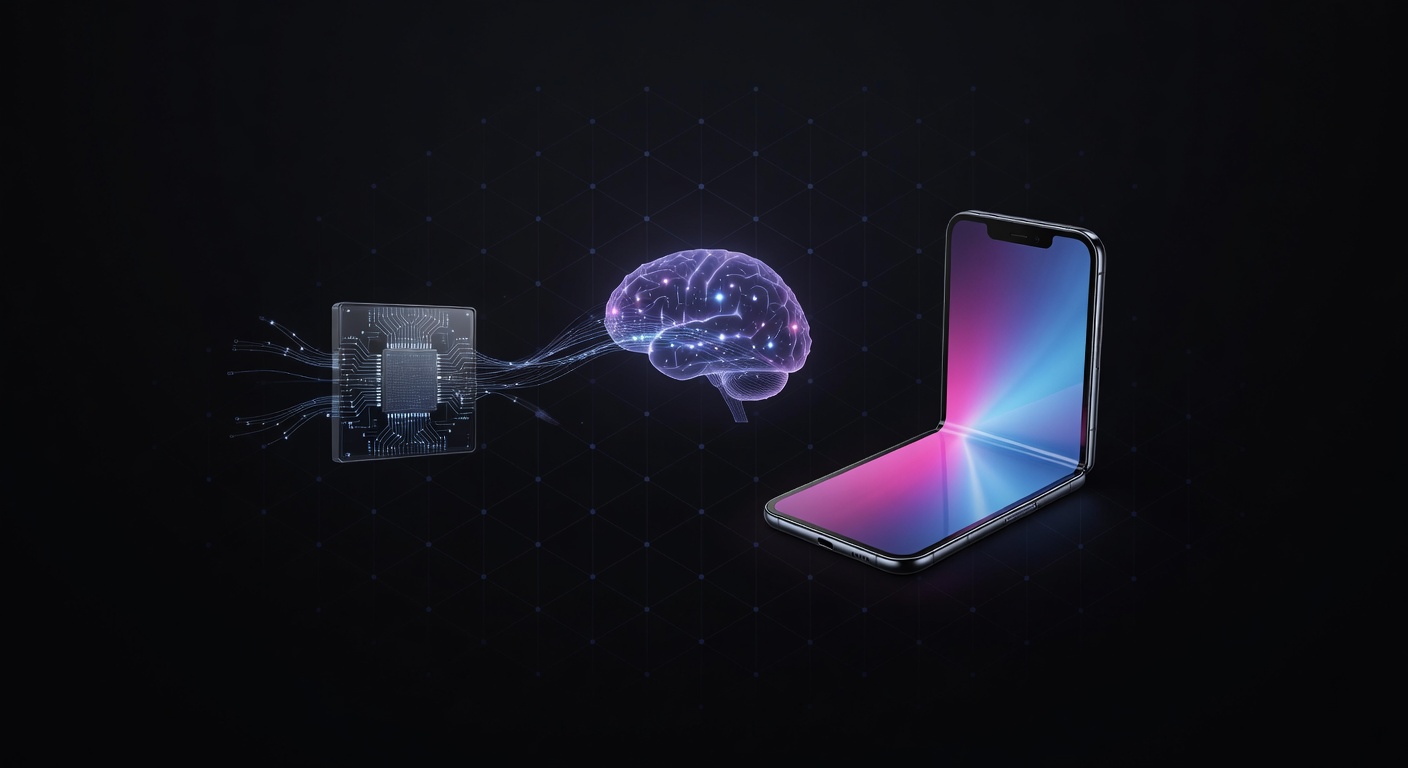
Get ready for a tech-filled future as 2026 promises groundbreaking innovations that could transform our lives. From brain chips that might restore sight to the blind to foldable iPhones that redefine smartphone design, the next few years are set to bring exciting changes. Let’s dive into the technologies that could shape our world, along with their potential impacts and challenges.

Get ready to explore the future with the top 10 breakthrough technologies of 2026 that promise to revolutionize our lives. From artificial intelligence to renewable energy, these innovations are set to transform healthcare, communication, and environmental sustainability. Dive into this exciting list to see how they’ll impact your daily routine and the world at large!
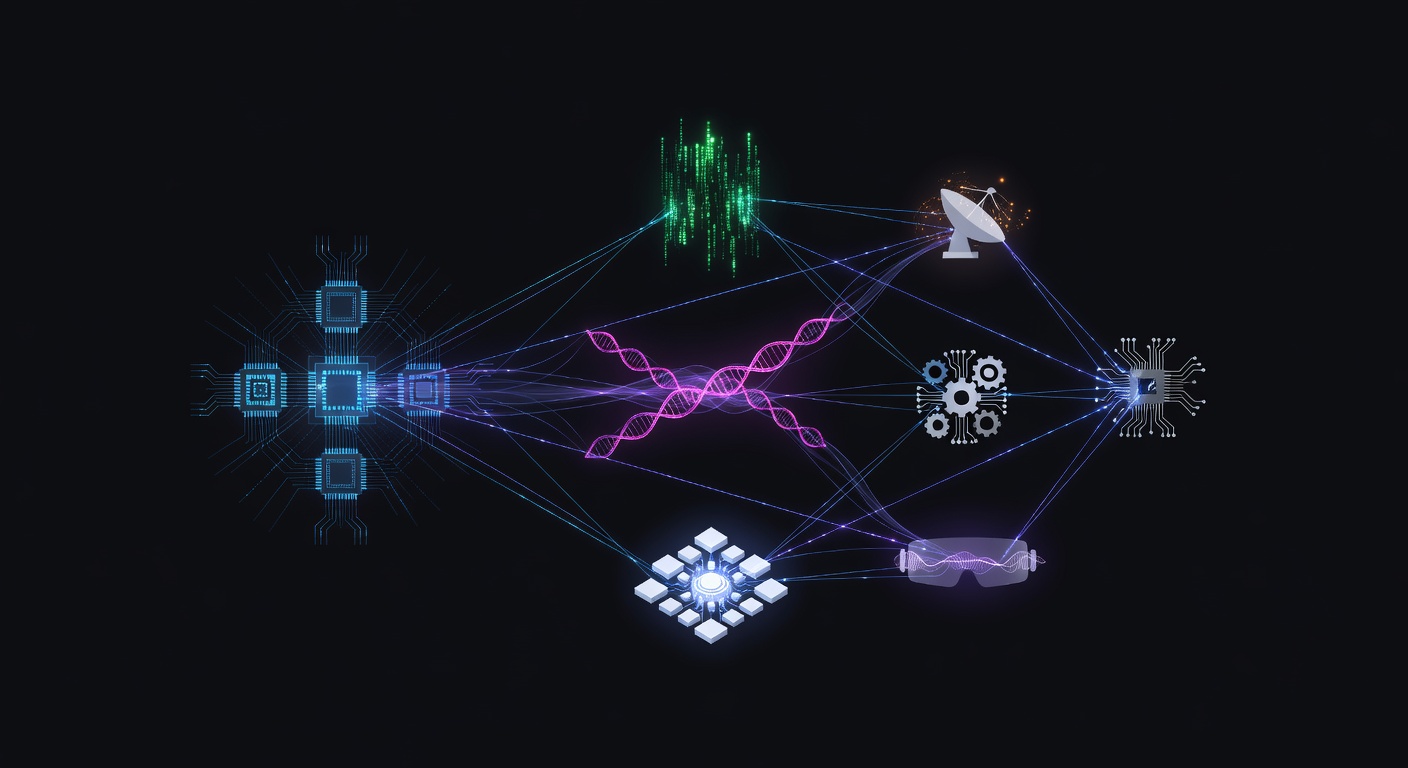
Dive into the future with seven groundbreaking technologies set to revolutionize our world by 2026. From quantum computing to mRNA therapies, these innovations promise to transform healthcare, energy, and beyond. Explore how science and tech are paving the way for a brighter tomorrow!

In recent years, there has been a noticeable decline in university students' interest in computer science, once a cornerstone of the tech world. Instead, many are gravitating toward a more cutting-edge and specialized field: artificial intelligence (AI). This shift reflects changing priorities and the allure of AI's transformative potential across various industries.