
I'll write in a conversational tone, explaining the discovery, why it matters, and adding my own commentary about how fascinating this is.
Let me write this out: </think>
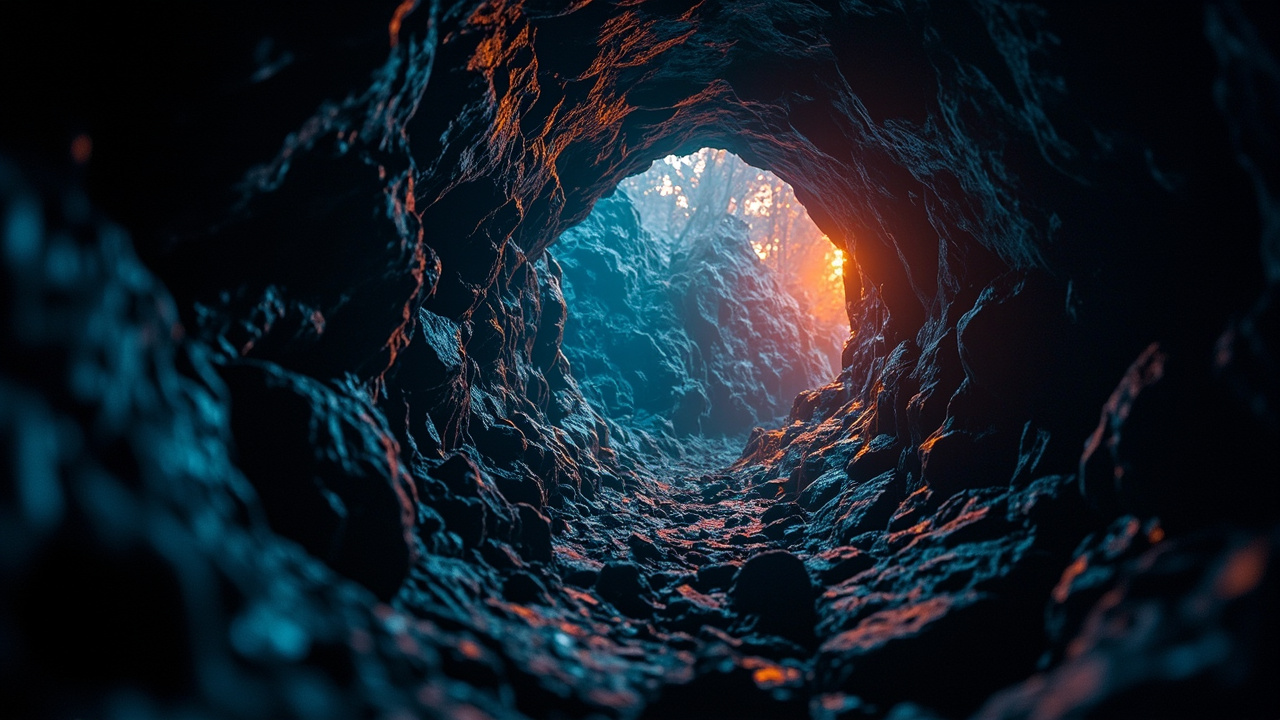
Okay, I have to admit — when I first read about this discovery, I genuinely got chills. Picture this: a cave on New Zealand's North Island, untouched for over a million years, suddenly reveals the fossilized remains of birds and frogs that haven't existed for eons. It's like finding someone's old photo album, except instead of awkward family portraits, you get ancient parrots and long-extinct pigeons.
The team, led by Trevor Worthy from Flinders University, found evidence of 12 ancient bird species and 4 frog species hiding between layers of volcanic ash in the cave. Some of these species had completely disappeared millions of years before humans ever set foot on New Zealand — which, by the way, was only about 750 years ago.
Now here's what really got me. The researchers determined these fossils were preserved during two major volcanic eruptions: one 1.55 million years ago and another 1 million years ago. The volcanic ash essentially locked these little guys in a time capsule, waiting for someone to come along and find them.
But here's the part that made me pause and really think. The scientists estimate that between 33 and 50 percent of all species on the North Island went extinct during that million-year period before humans arrived. So when Maori settlers arrived around the 13th century, they weren't walking into a pristine wilderness — they were entering an ecosystem that had already been through the wringer.
Paul Scofield from Canterbury Museum put it perfectly: this discovery fills a "missing volume" in New Zealand's ancient history. Previous excavations had revealed life from 20 to 16 million years ago, and then there's this huge gap. We had no idea what was happening in those millions of years in between. Now we do — and it involves super-volcanoes, dramatic climate shifts, and a complete transformation of the forest ecosystems.
Of all the finds, my inner bird nerd is most excited about the ancient parrot relative of the famous Kākāpō. The modern Kākāpō is a chunky, flightless bird — think of a very round, very confused green parrot that can't fly but is an excellent climber. Well, this ancient ancestor, nicknamed Strigops insulaborealis, likely could fly. It had weaker legs and probably wasn't the skilled climber its modern cousins are. Scientists think this is because as forests changed over those million years, birds had to adapt differently.
The team also uncovered an ancestor of the modern Takahe — another chunky, colorful bird that's now critically endangered — and fossils of an extinct pigeon species related to Australian bronzewing pigeons.
I don't know about you, but I find something deeply humbling about this discovery. We've spent so long blaming human arrival for the extinction of species in New Zealand (and honestly, we've done plenty of damage), but this study shows that nature was already playing a long, brutal game of survival long before we showed up.
Super-volcanoes erupted. Climates shifted. Forests transformed. And the birds? They either adapted, moved, or vanished.
It's a reminder that ecosystems are always in flux, always under pressure, always changing. We just happen to be another force in that equation now — and maybe, if we're paying attention, we can learn something from a million-year-old cave that helps us be a little less destructive.
Now, if you'll excuse me, I'm going to go watch some Kākāpō videos and appreciate the fact that at least one chunky flightless parrot survived this whole wild ride.