
markdown formatted blog content
When Whales Mourn
I've always believed that animals feel more than we give them credit for. And honestly, this story just confirmed that for me.
A few months back, a team of researchers and marine experts witnessed something that stopped them cold. Off the southern Gold Coast in Australia, a female humpback whale had just given birth—but something had gone terribly wrong. Her calf was stillborn.
But here's what got me: she didn't swim away.
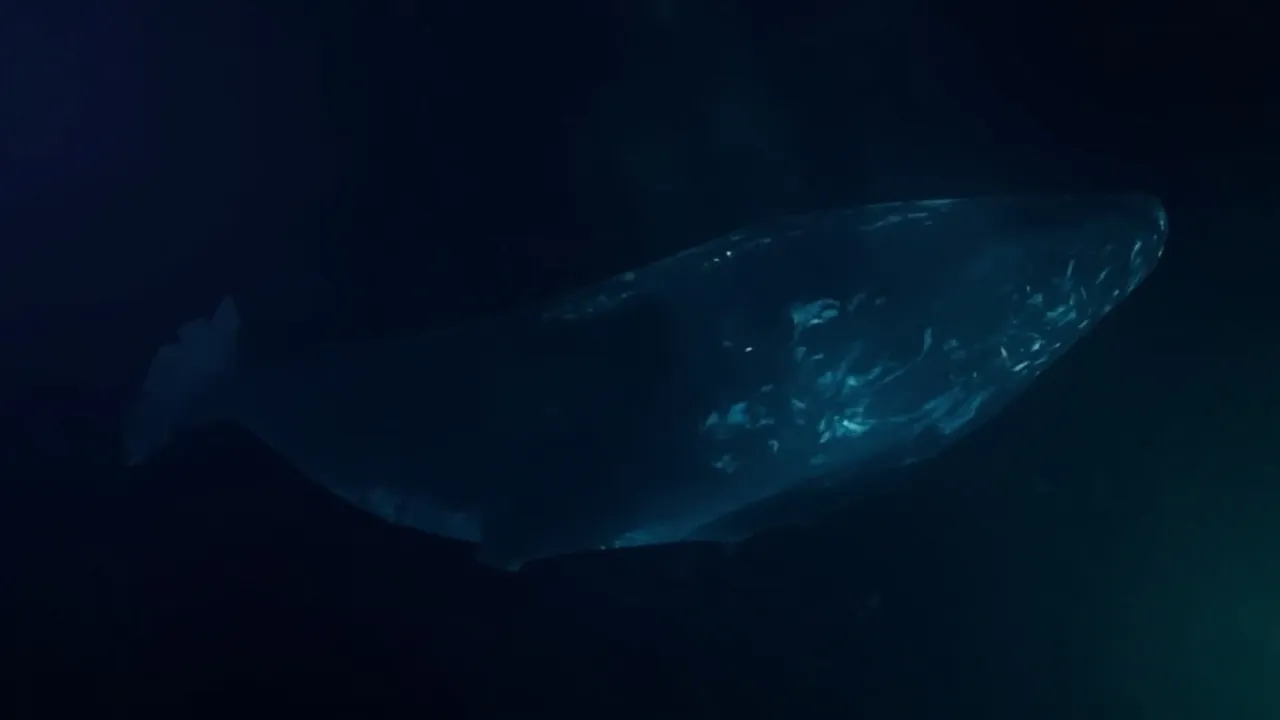
Instead, she stayed. For hours. Maybe even days. Right there beside her baby, close enough to maintain what looked like eye contact, positioning herself protectively near the small body under the water's surface.
A First-of-Its-Kind Observation
Now, I know what you might be thinking—"Do whales even care?" Well, according to researchers from Griffith University and Sea World Foundation, we simply don't have many documented cases like this. It's actually pretty rare to witness anything like this in baleen whales (that's the group humpbacks belong to).
Dr. Olaf Meynecke from Griffith's Whales and Climate Research Program explained that we've seen this kind of behavior in dolphins and other toothed whales—mothers nudging their dead calves up to the surface, carrying them around. But for the big whales like humpbacks? Those observations are few and far between.
What made this sighting different was how long the mother stayed with her calf, staying submerged and staying close. It wasn't a brief moment of confusion—it seemed like something deeper.
The Captain's Account
Sea World Foundation Rescue Boat Captain Andrew Mulville was there when it happened. His reaction really stuck with me: "When I actually worked out what was happening, I was totally surprised."
He initially thought the whales were just resting together on the surface. But the behavior was... off. Wrong, even. He said it "was definitely not what I was expecting to see out at sea that day."
Can you imagine that moment? Being out on the water, doing your regular job, and suddenly realizing you're witnessing something profoundly sad?
What Does This Mean?
Here's where it gets philosophically interesting (at least to me). Researchers are careful not to jump to conclusions. They want to know: is this grief? Maternal instinct? Some other response we don't have a word for?
I think the answer is probably "all of the above" and more. Dr. Meynecke noted that these behaviors match what we see in other socially complex mammals—those care-giving actions, the attention toward someone who's gone. They suggest a strong bond.
But the truth is, we're still figuring this out. And honestly, that humility is part of what makes science beautiful.
Why This Matters
Here's my take: every time we document something like this, it chips away at the idea that we're the only ones capable of deep emotional experience. I'm not saying whales grieve exactly the way humans do—that would be overreaching. But something was happening in that water that day. Something that went beyond pure instinct.
These kinds of rare observations are precious precisely because they're rare. The more we document, the better we understand not just whales, but the whole web of emotional life that exists in our animal neighbors.
The study has been published in Discover Animals, and I hope it gets the attention it deserves. Because honestly? Stories like this remind me why I find the natural world so endlessly fascinating.
Sometimes, the most profound moments happen where we least expect them—out in the open ocean, where a mother whale refuses to leave her child.