
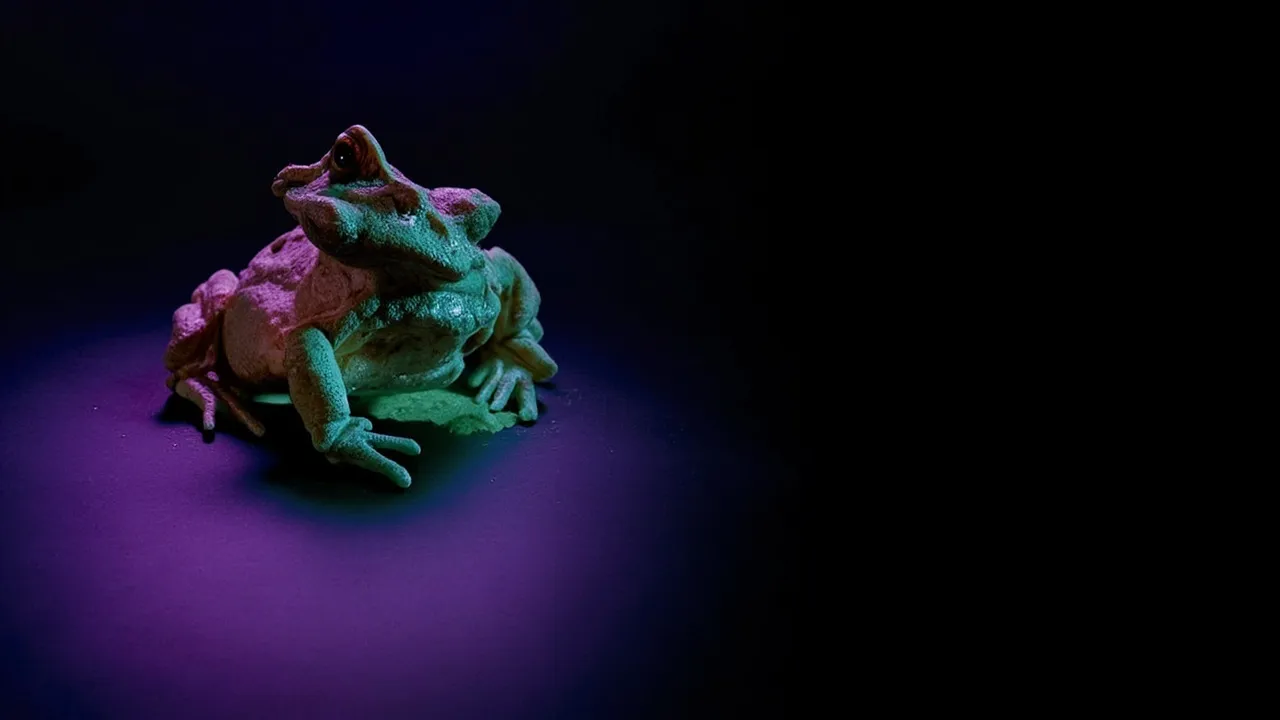
Sometimes the Best Discoveries Are Right Under Your Nose
Okay, I have to share this with you because it's one of those science stories that just makes you smile.
Picture this: You're a researcher at the famous La Brea Tar Pits in Los Angeles — you know, the place with all those dramatic mammoths and saber-toothed cats. You decide to take a closer look at some of the smaller fossils that don't get as much attention. The tiny stuff. The "boring" collections that have been sitting in museum drawers for decades.
And BAM — you discover an entirely new species of toad that nobody knew existed.
That's exactly what happened to Dr. Alberto Cruz, and honestly? I love everything about this story.
Meet Spea labreae: Your New Favorite Extinct Amphibian
The newly identified spadefoot toad has been officially named Spea labreae ("labreae" comes from La Brea, in case you were wondering). According to researchers publishing in the Journal of Vertebrate Paleontology, this little guy represents the first new extinct amphibian species ever discovered from the famous fossil site.
That's kind of a big deal when you consider that La Brea Tar Pits has been excavated and studied for over a century.
But here's what really got me: the fossils weren't newly dug up. They'd been sitting in the collection since the 1950s. Dr. Cruz was just... looking. Studying. Comparing.
"I reviewed and reviewed a lot of specimens until I was convinced," Dr. Cruz said. "I thought, 'Oh my gosh, this is a new species.' This material is originally from the 1950s, but when you study it again, you can find gold in these specimens. It's very cool."
Gold, indeed.
Why This Little Toad Matters More Than You Think
I know what you're thinking: "Cool, a toad. But what about the giant mammoths?"
Fair point. But here's where things get interesting. While we're all distracted by the flashy megafauna, the small stuff — the frogs, toads, and salamanders — might actually tell us more about ancient environments.
Here's why: amphibians are incredibly sensitive to their surroundings. They don't travel far during their lives, and any change in temperature, rainfall, or vegetation affects them directly. That makes them excellent "climate proxies" — basically, nature's little weather stations preserved in the fossil record.
"If you change the environment, you change the vegetation, the climate is warmer or colder, it affects these animals directly," Dr. Cruz explained.
So while a mammoth skeleton tells us "hey, there was a large mammal here," a tiny toad skeleton can tell us "the pond was probably seasonal, the temperature was likely in this range, and the vegetation looked like this."
That's some detailed information from an animal that probably fit in your palm.
But There's More...
The discovery doesn't stop there. While studying the collections, researchers also identified the first known record of the Mexican burrowing toad (Rhinophrynus) in the southwestern United States.
Here's the wild part: these toads don't live anywhere near Los Angeles anymore. Their closest modern populations are nearly 2,500 kilometers away.
That tells us the climate in Ice Age Los Angeles was dramatically different from what we have today — different enough to support amphibians that now only live much farther south.
The Takeaway? Keep Looking
Dr. Emily Lindsey, curator at La Brea's Samuel Oschin Global Center for Ice Age Research, put it perfectly:
"There's definitely more to come."
I love that sentiment. After a century of excavations, after countless studies of those iconic tar pits, we can still discover new species from dusty museum collections. Science isn't just about digging up new things — sometimes it's about looking at what we already have with fresh eyes.
So the next time someone tells you all the big discoveries have already been made? Point them to this story. There's always more to learn. Sometimes you just have to look a little closer at the small stuff.
Source: ScienceDaily