
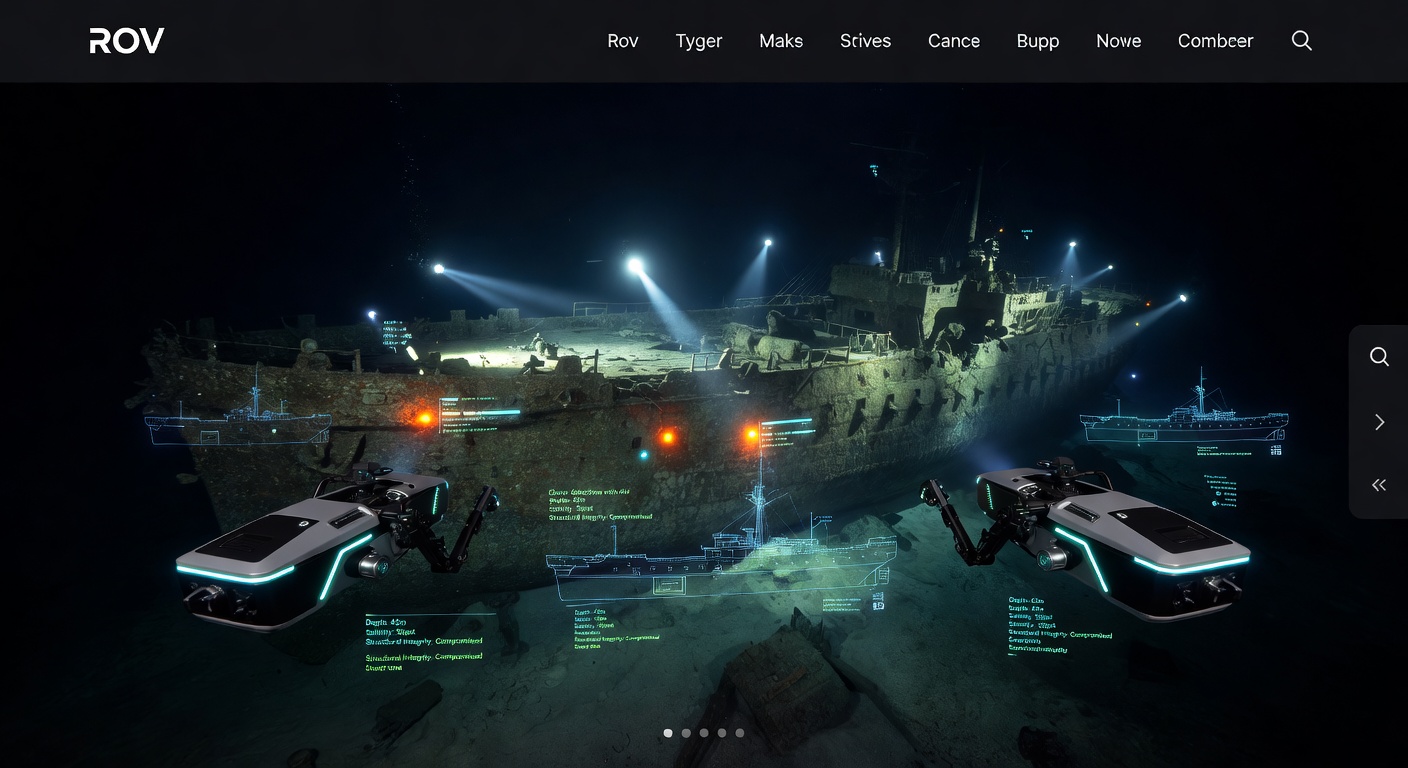
When a Warship Became Ocean Floor
Picture this: it's 1742, and you're commanding a British naval vessel on patrol in the Caribbean. Your mission? Show Spain who's boss during a conflict that, honestly, had one of the weirdest names in history—the War of Jenkins' Ear. (Yes, that's real. A guy's severed ear started a literal war. Wild times.)
But then your 130-foot warship hits a coral reef. Hard. You dump your cannons overboard, throw anchors into the sea, and pretty much everything you can think of to free the ship. Nothing works. You're stuck, it's hot, and you've got over 300 men depending on you.
A Mystery Buried in Salt Water
Fast forward to 1993. Divers exploring the reefs off the Florida Keys discover wreckage. Cool! But here's the problem: nobody can definitively say which ship it is. The wreck sits there for decades, known but unconfirmed. It's like finding a mysterious old diary but not being able to figure out who wrote it.
The Breakthrough Moment
Then, in 2021, archaeologists surveyed the site again with fresh eyes and better technology. And that's when things got interesting. They found something that would crack the case wide open: five cannons scattered about 500 yards from the main wreck.
Now, you might think "cannons are cannons," but these weren't just any old iron balls. The team determined these were specifically British 6-pound and 9-pound cannons. More importantly, they matched the exact specifications of what the HMS Tyger would have been carrying. It's like finding a piece of jigsaw that fits perfectly into a corner you've been staring at for years.
The researchers also dug into old logbooks and found a reference describing how the crew "lightened her forward" after the initial grounding. This matched what would have happened if they dumped the heavy guns from the front of the ship. Boom—multiple pieces of evidence pointing at the same ship.
What Really Happened That Day
Here's where the human story gets interesting. The HMS Tyger wasn't some fancy flagship. She was a working patrol vessel—700 tons of muscle with 50 cannons spread across three decks. When the reef claimed her in January 1742, the crew did what any smart sailors would do: they abandoned ship and made for the nearest land—Garden Key.
But Garden Key? It's basically a tiny island with minimal resources. Think extreme survival reality show, except it's real and lasted 66 days. No clean water, mosquitoes everywhere, scorching heat. These men weren't on vacation.
So what did they do? They got creative. They salvaged pieces from their wrecked ship and tried to build new vessels. They even attempted to attack a Spanish ship (spoiler: didn't work). Eventually, they burned the HMS Tyger's remains so the Spanish couldn't claim the guns, and then they built makeshift boats and sailed 700 miles to Jamaica.
Why This Matters More Than You'd Think
You might be wondering, "Okay, cool story, but why does it matter that we finally confirmed which wreck this was?" Good question.
First, it's about honoring the people who lived through it. These 300+ men endured something genuinely brutal, and properly identifying their ship lets us tell their actual story instead of guessing.
Second, it's about understanding history. The HMS Tyger was the first of three British warships to sink in this area. Now that we've confirmed it, we can piece together the bigger picture of naval warfare, colonial power dynamics, and how these conflicts played out on the water.
Third—and this is the part I find genuinely cool—it shows why archaeologists stress the importance of leaving historical sites alone. For 28 years, that wreck just sat there, and then new technology and fresh research methods solved what older techniques couldn't. Future archaeologists will probably find even more using tools we haven't even invented yet.
The Bigger Picture
The HMS Tyger is now officially recognized as British sovereign property. The artifacts are protected by law, and the site will continue to be studied carefully. No treasure hunters, no casual scuba divers trying to grab souvenirs—just science and preservation.
It's a reminder that sometimes the best mysteries aren't solved by rushing. They're solved by patience, good record-keeping, and people who care enough to keep looking even when the obvious answers don't quite fit.
Pretty cool for a ship that spent most of its "rediscovery" years as a historical footnote, right?