
The Ace of All Aces
Let me introduce you to Richard Bong, a guy whose nickname alone tells you he was something special: "The Ace of Aces." During World War II, this American pilot shot down 40 Japanese fighter planes—more than any other U.S. pilot in the entire war. Think about that for a second. Forty enemy aircraft. That's not just impressive; it's almost hard to wrap your head around.
What makes it even crazier? He did it all in the same plane. A sleek Lockheed P-38 Lightning that he called "Marge"—named after his girlfriend (who later became his wife). And I mean he literally named it after her—her face was even painted on the nose of the plane, like something out of a classic film.
The Love Story in Metal and Paint
There's something deeply romantic about a fighter pilot naming his aircraft after the woman he loves and carrying her portrait into battle. In an era of war and destruction, that's a small act of keeping something human and personal close to your heart. Bong was awarded the Medal of Honor by General Douglas MacArthur himself in 1944 for his incredible heroism.
But here's where the story takes a tragic turn.
When History Goes Missing
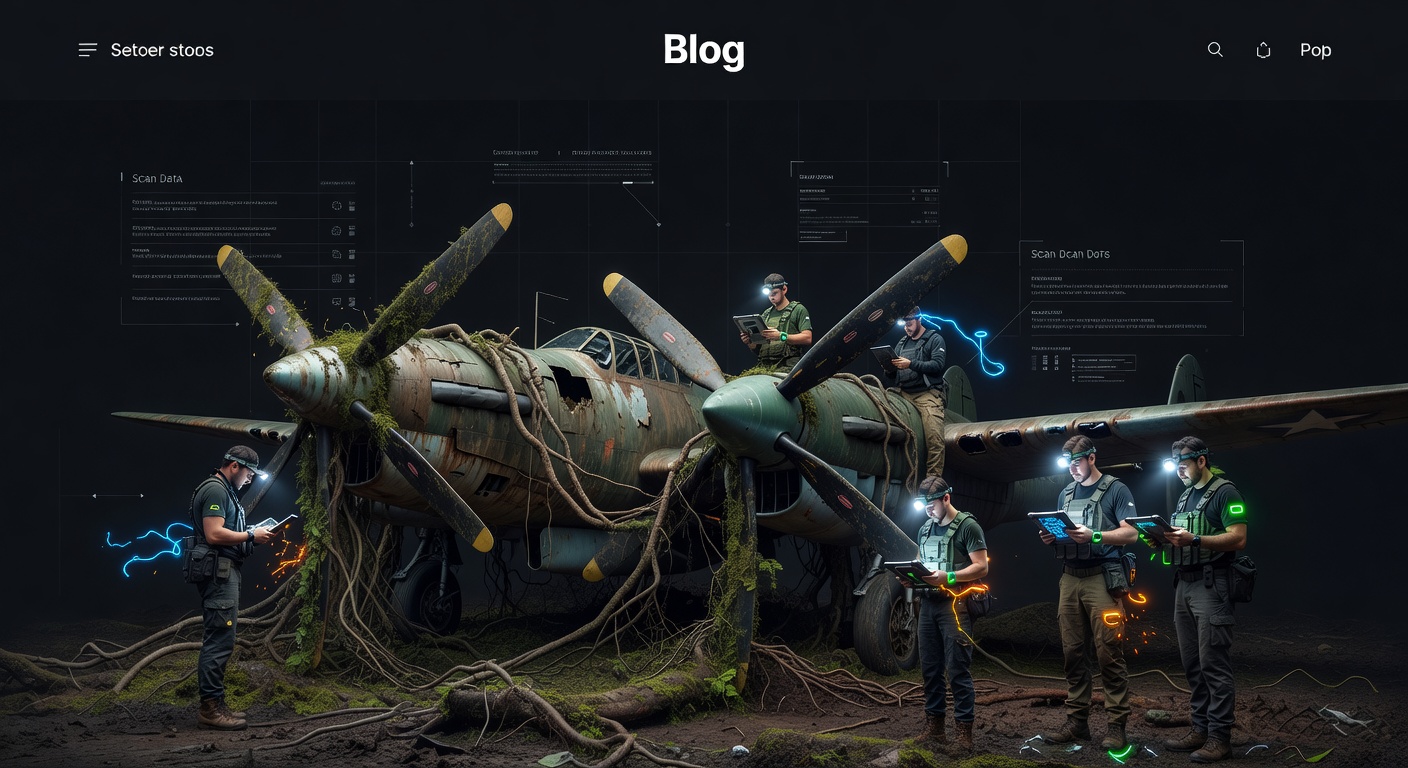
For 80 years, "Marge" just... disappeared. Lost in the dense jungle of Papua New Guinea, swallowed by nature and time. No one knew where she was. Museums could only display replicas. The actual plane—this piece of living history—was just gone.
Then, in 2024, something magical happened.
The Discovery That Almost Seems Too Good to Be True
A team of explorers working with the Richard I. Bong Veterans Historical Centre and Pacific Wrecks (an organization dedicated to locating missing WWII artifacts and fallen service members) set out into the jungle. And get this—they found "Marge" in just two days of trekking through the wilderness.
When they spotted it, they knew immediately they'd found the right plane. The signature red paint was still there, faded by time but unmistakable. And the clincher? An Army stencil on the wingtip reading "993"—the last three digits of Bong's serial number, 42-103993. After eight decades, Marge was coming home.
The Twist That Breaks Your Heart
Here's what makes this even more poignant: Bong wasn't even flying the plane when it crashed. On March 24, 1944, a 2nd Lieutenant named Thomas E. Malone borrowed Marge for a routine weather reconnaissance flight over New Guinea. The propeller failed, electrical systems went haywire, and the plane went into an uncontrollable spin. Malone managed to bail out and survived, but the plane crashed into the jungle.
Bong lost his beloved aircraft—but at least Malone lived to tell about it.
The Tragedy We Don't Talk About
About a year later, tragedy struck Richard Bong himself. He was in California testing a newer fighter plane, the P-80A Shooting Star. Shortly after takeoff on August 6, 1945, the fuel pump malfunctioned. Bong ejected from the cockpit, but he was flying too low. His parachute didn't have time to open. He died on impact at just 24 years old.
The war's greatest fighter ace never made it home to the woman whose face was painted on his favorite plane.
Why This Matters
Finding Marge isn't just about recovering an old aircraft. It's about honoring someone whose courage and sacrifice helped change the course of history. Bong has a veterans center named after him in his hometown of Superior, Wisconsin, and he was inducted into the National Aviation Hall of Fame decades after his death.
But now, instead of looking at a replica, visitors will stand before the actual plane that shot down 40 enemy aircraft. They'll see the red paint, the weathered fuselage, the mechanical heart of a legend. They'll be able to touch history.
The Bigger Picture
What gets me about this story is how it reminds us that history isn't just something we read about in textbooks. It's real. It's tangible. It's out there in the jungle, waiting to be found. And sometimes, finding it requires passion, persistence, and the kind of teamwork that would've made Bong himself proud.
The explorers who found Marge in just two days weren't just hunting for an artifact—they were preserving a memory. They were saying: "We won't forget. We won't let this fade away."
In a world that moves so fast, that's something truly worth celebrating.