
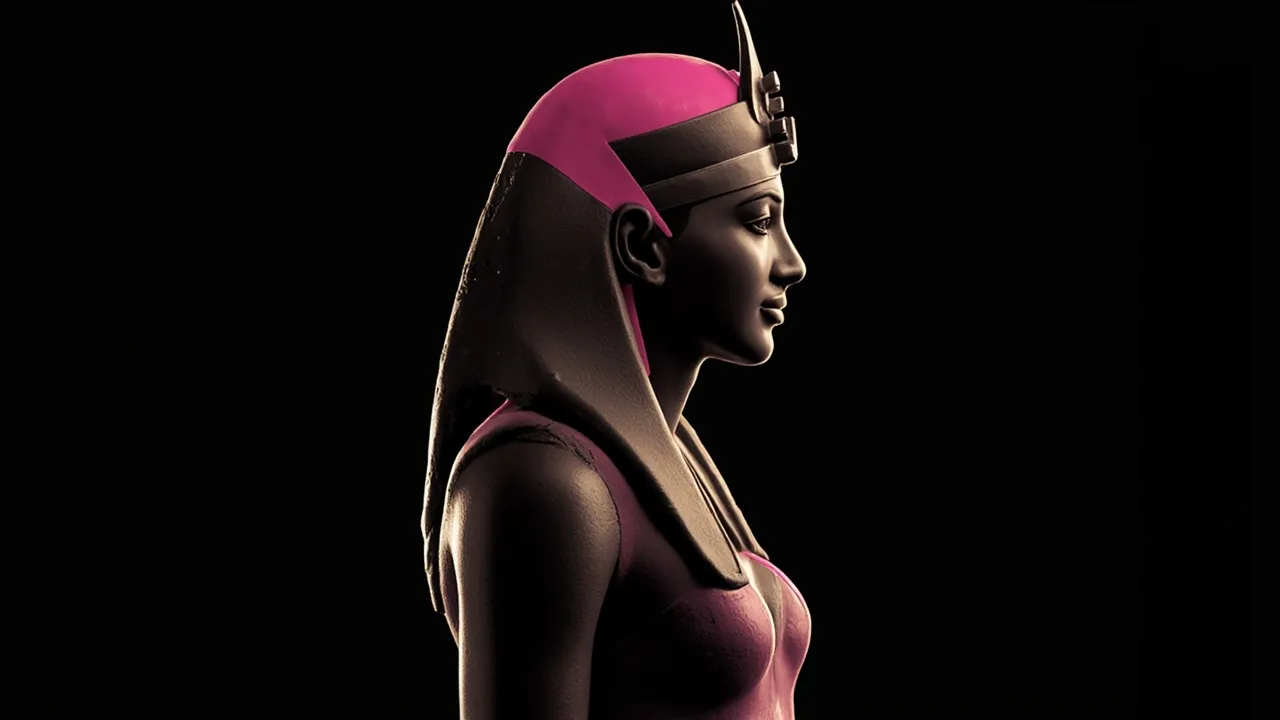
So here's something that might surprise you: ancient Egyptian princesses were apparently total badasses.
I know, I know — when you picture an Egyptian princess, you're probably thinking of someone lounging around in a gorgeous linen dress, maybe getting her hieroglyphics done or supervising the servants. Delicate, refined, not exactly the "crack open a cold one with the soldiers" type.
But hold on. A fascinating new study just dropped, and it's making archaeologists rethink everything they assumed about royal women from Egypt's Middle Kingdom period. Turns out, some of these princesses were packing serious heat — and their bones don't lie.
The Discovery That Started It All
Back in the 1890s, archaeologists excavated a burial complex at Dahshur, Egypt. They found six royal mummies buried with some pretty interesting items: bows, arrows, daggers, and maces. Objects you'd typically associate with male warriors.
For years, researchers shrugged and figured these were just symbolic items — you know, fancy grave goods to show off wealth and status. Nobody actually thought the women used them. They were princesses, after all. What would they need with weapons?
Well, fast forward to 2020, when a team re-examined these remains. And what they found in the bones told a completely different story.
What the Bones Reveal
The research team, led by Dr. Zeinab Hashesh, took a close look at the skeletal remains of six royals — including four sisters and daughters of Pharaoh Amenemhat II. They were looking for what scientists call "muscle attachments" — basically, the places where muscles anchor to bone.
Here's why this matters: when you repeatedly use certain muscles, they get stronger, and the places where they attach to your bones become more pronounced. It's like the difference between a couch potato's bones and a professional athlete's bones. You can actually see the evidence of physical activity in the skeleton.
And what they found in these princesses? Let's just say they weren't spending their days doing needlepoint.
"Princess Ita was a young woman aged between 28 and 34 with strong upper-body muscle attachments, suggesting she habitually used weapons like maces or daggers," explained Dr. Hashesh. "Princess Itaweret's skeleton shows she was a skilled archer."
We're talking about robust muscle development in the upper body, exactly the kind you'd develop from repeatedly drawing a bowstring. This wasn't weekend hobby stuff — this was years of serious practice.
These Women Were Not Messing Around
Let me paint you a picture. Imagine Princess Itaweret — young, probably in her twenties, training with a bow and arrow day after day. The study notes she survived broken ribs and foot fractures, injuries that would have come from "accidents, falls, hard blows, or other impacts linked to an active lifestyle."
And get this — those injuries had healed well. Which tells us something pretty remarkable: these women had access to advanced medical care for their time. They weren't just tough — they were valued enough to receive top-tier treatment so they could get back in action.
I don't know about you, but I find that image way more compelling than the whole "helpless princess" narrative we usually get fed.
The Evolutionary Puzzle
There's also this fascinating detail about the spines. The researchers noticed that several of the sisters shared rare spinal abnormalities — a pattern that suggests their parents (and the broader royal family) were closely related. Inbreeding was, unfortunately, pretty common among Egyptian royalty to keep the bloodline "pure."
But that's a whole other conversation.
Why This Matters
Here's what really gets me about this study: it's a reminder that our assumptions about the past are often way off base. For decades, the presence of weapons in these women's tombs was explained away as purely symbolic. We just assumed that ancient princesses didn't actually fight or hunt.
But science doesn't care about our assumptions. The bones told the truth.
This research does more than just give us cool historical trivia. It helps us understand that ancient Egyptian royal women weren't just decorative figures producing heirs and looking pretty. They were active participants in their world — learning skills, facing physical challenges, and probably having some pretty incredible stories we can only imagine.
What's Next?
Of course, there's still more to learn. The princesses' skulls were lost during the early 1900s, which limits certain kinds of analysis. And researchers want to study more individuals to get a fuller picture of what royal life was really like.
But for now, I'm going to appreciate this little window into the past. Next time you think about ancient Egyptian royalty, maybe picture something different. Picture a princess with calloused hands from drawing her bow, scars from hunting trips, and a dagger at her side that she actually knew how to use.
Because apparently, that's exactly who these women were.
Source: Science Daily - https://www.sciencedaily.com/releases/2026/08/260828082348.htm