
When Rust Becomes a Time Capsule
Here's something that would've seemed totally bonkers just a few years ago: the best-preserved fossils aren't always found in the rocks we've been digging through for centuries. Nope. Sometimes they're hiding in something that sounds way less glamorous—iron oxide. Basically, rust.
A team of researchers working at McGraths Flat in New South Wales, Australia, have uncovered what amounts to a paleontological jackpot. And honestly? It's making geologists rethink everything they thought they knew about where to look for ancient life.
The Hidden Rainforest We Almost Never Found
Picture this: 11 to 16 million years ago, this part of Australia wasn't the dry, dusty farmland it is today. It was a lush rainforest, teeming with life. But somewhere along the way, that entire ecosystem got buried and sealed away.
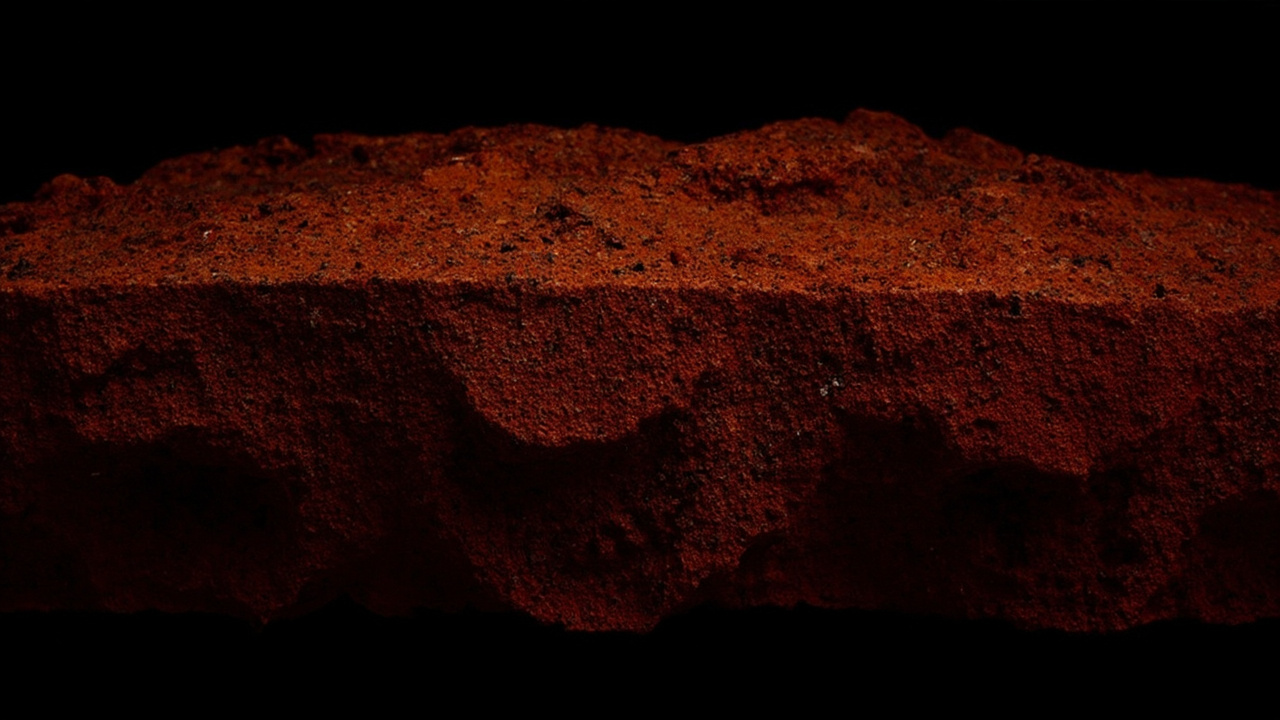
The thing is, you'd never guess it by looking at the rocks. They're this deep, rusty red color that looks completely ordinary for Australia's landscape. But once scientists started examining them closely? They realized they were looking at something extraordinary.
These iron-rich rocks, called ferricrete, turned out to be nature's most unexpected preservation agent. The fossils trapped inside show a level of detail that rivals some of the world's most famous fossil sites—places like Germany's Messel Pit that scientists have been studying for decades.
Tiny Particles, Massive Details
Here's where it gets really cool. The ferricrete is made up of microscopic iron particles—so small you'd need a microscope to see a single grain. These particles are about 0.005 millimeters across. Seriously tiny.
When organisms died and settled on the ancient lake floor, these iron particles slowly infiltrated every single cell. And I mean every cell. Scientists have found preserved pigment cells in ancient fish eyes, internal organs in insects, spider hairs, and even nerve cells.
This level of cellular preservation in land-based (terrestrial) organisms is supposed to be incredibly rare. It usually only happens in very specific conditions, in certain types of rocks. Nobody expected to find it in iron deposits.
A Completely New Search Strategy
Here's the really exciting part for future discoveries: now that scientists understand how McGraths Flat formed, they have a roadmap for finding similar sites around the world.
The conditions were pretty specific. You needed:
- Ancient river channels cutting through iron-rich volcanic rocks
- Warm, wet weather that caused intense weathering and released iron minerals
- Just the right chemistry (not too much limestone or sulfur-containing minerals getting in the way)
When dissolved iron from weathering basalt got carried by groundwater into an oxbow lake (an old, abandoned part of a river), the perfect storm happened. The iron particles settled out and created a protective layer around everything that died there.
Why This Changes Everything
For a long time, paleontologists focused their efforts on traditional fossil sites—shale, sandstone, volcanic ash layers. Those places make sense because fine sediments bury organisms quickly and completely. It's worked great for finding stuff preserved in those materials.
But McGraths Flat proves there's a whole other category of sites we might have been overlooking. All those rust-colored landscapes in semi-arid regions around the world? They're not just pretty geological features. They could be hiding ancient ecosystems.
The Bottom Line
What I find genuinely fascinating about this discovery is how it shows that nature is still surprising us in our own backyard (well, Australia's backyard). We don't need to keep looking in the same old places. Sometimes the answer is right there, just looking a little different than we expected.
The fossils at McGraths Flat give us an incredibly detailed snapshot of a lost rainforest from millions of years ago. But more than that, they're a reminder that science often advances when we're willing to question our assumptions and look in unexpected places.
Who knows what other fossils are waiting in iron-rich deposits around the world? Scientists are definitely going to start looking now.