
When Your Spacecraft Needs a Stress Test (The Extreme Version)
Imagine you're designing a vehicle that needs to survive one of the harshest environments humanity has ever tried to work in. The Moon isn't exactly a forgiving place. There's no atmosphere to protect anything, temperatures swing wildly between scorching and freezing, and there's literally nothing to help you if something goes wrong.
So what do you do? You build the biggest thermal vacuum chamber you can find and basically torture-test your spacecraft before it ever leaves Earth.
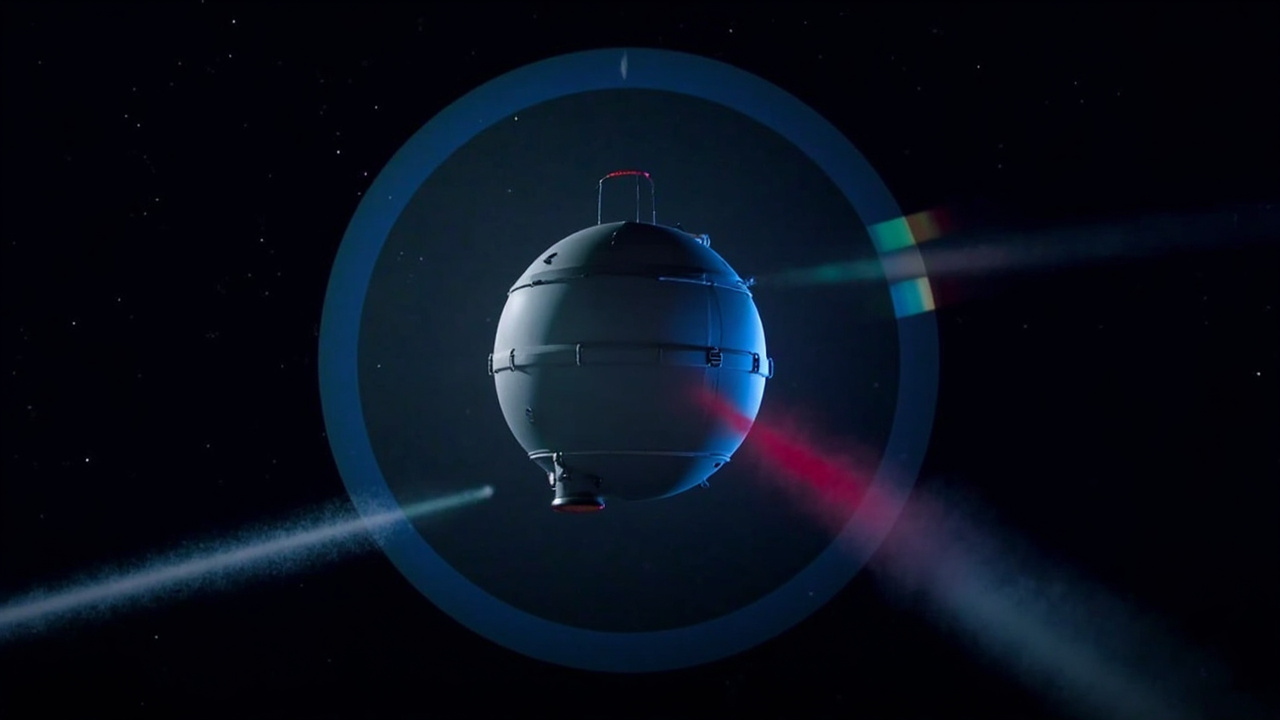
That's exactly what Blue Origin just did with its MK1 lunar lander, nicknamed "Endurance" — and honestly, the name is pretty fitting.
The Chamber from Science Fiction (Except It's Real)
NASA has this absolutely massive facility at Johnson Space Center in Houston called Chamber A. We're talking one of the largest thermal vacuum chambers in the world. This thing can simulate what space actually feels like — the near-perfect vacuum, the extreme temperatures, all of it.
Blue Origin rolled its lander into this chamber and basically said, "Do your worst." Engineers cranked up the temperature swings, removed the air, and watched to see if the spacecraft would handle it. Think of it like running a marathon in a sauna while standing in a freezer — simultaneously.
The reason this matters? Because you can't exactly troubleshoot hardware problems when it's halfway to the Moon.
Why This Approach Actually Makes Sense
Here's what I find fascinating about this whole thing: Blue Origin isn't doing this alone, and they don't have to. There's this growing trend of NASA essentially opening its doors to commercial companies. It's called the "front door approach," which sounds bureaucratic but is actually pretty clever.
Basically, NASA says: "You want to build Moon landers? Great. Come use our facilities, tap into our expertise, and let's work together." It's way faster than each company reinventing the wheel in their own private labs.
This is public-private partnership done right. NASA still maintains the safety standards and mission requirements, but companies get to innovate faster. Everyone wins.
What's Actually Going to the Moon?
The MK1 isn't just a test dummy floating around — it's actually going to carry real scientific equipment to the Moon's South Pole. Two specific payloads are hitching a ride:
First, there's a camera system that will literally watch what happens when the lander's engine blasts the lunar surface during descent. Sounds simple, but understanding how engine plumes interact with moon dust is actually crucial for future landings.
Second, there's a laser retroreflector — basically a mirror array that orbiting spacecraft can bounce laser beams off of to figure out exactly where they are. It's like a cosmic GPS marker.
The Road to Bringing Humans Back
Here's the bigger picture: The MK1 is proof-of-concept for Blue Moon Mark 2 (MK2), which is the actual crewed lander. That's the vehicle that will eventually carry astronauts from lunar orbit down to the surface.
And they're specifically designing it to work in the Moon's South Pole region, which is honestly the most challenging and scientifically interesting part of the Moon right now. Water ice, extreme terrain, radiation exposure — it's basically the hard mode of lunar exploration.
Why This Moment Matters
We've been talking about going back to the Moon for years. It's easy to feel like it's always "just around the corner." But what's actually happening right now is that the fundamental technology is being stress-tested and proven on Earth. The boring, unglamorous work is being done.
When you see headlines about crewed missions to the Moon in a few years, you're not going to be watching a leap of faith. You're going to be watching the results of thousands of hours of testing in chambers exactly like this one.
That's how you make space exploration actually work.