
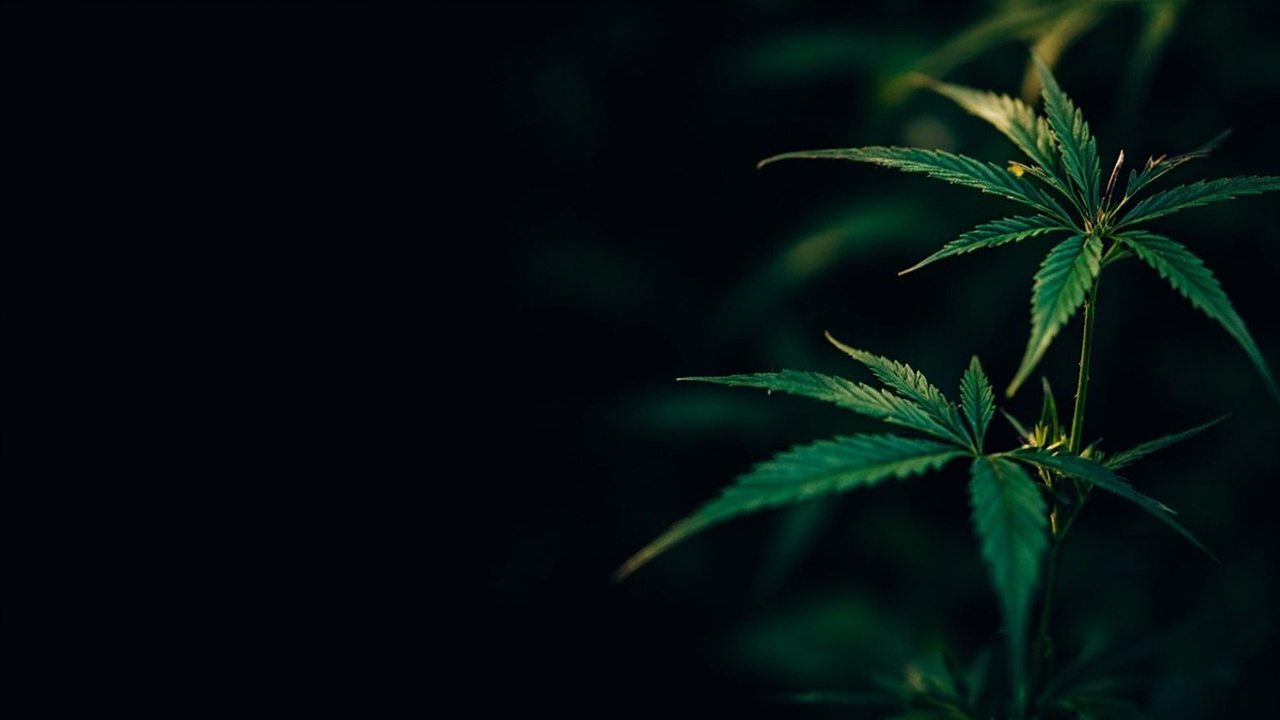
The Cannabis Plant Just Got Way More Interesting
Here's something that blew my mind: scientists in South Africa just discovered that cannabis contains compounds we didn't even know existed. And get this—many of them were hiding in the leaves, the part that growers typically toss in the trash.
This isn't one of those overhyped "miracle cure" stories. It's a genuine scientific discovery that's reshaping how we think about this plant. Researchers found 79 different phenolic compounds in just three cannabis strains, and 25 of those had never been documented before. That's wild.
A Plant More Complex Than We Realized
Let me put this in perspective: cannabis contains over 750 different metabolites (that's basically the chemical building blocks produced by the plant). To put that another way, this plant is incredibly chemically complicated. It's like someone packed an entire pharmacy into a single leaf.
For years, most cannabis research has been laser-focused on one thing: cannabinoids like THC and CBD. Those are the compounds that get all the attention because they're psychoactive—they make you feel something. But while everyone was looking at cannabinoids, they were missing an entire hidden layer of chemistry.
The Real Game-Changer: Flavoalkaloids
Here's where it gets really cool. Among those newly discovered compounds are 16 that belong to a super rare group called flavoalkaloids. These don't show up much in nature—they're almost like finding a four-leaf clover in a normal clover patch.
Why should you care? Well, compounds in this family are known for having serious health benefits. We're talking antioxidant effects (protecting your cells from damage), anti-inflammatory properties (reducing swelling and irritation), and even potential anti-cancer activity. In other plants, flavonoids—the more common cousins of flavoalkaloids—are celebrated for exactly these reasons.
The surprise? These rare compounds showed up predominantly in just one of the three strains studied, which tells us that different cannabis plants have dramatically different chemical profiles. It's like discovering that strawberries from different farms have completely different nutritional makeups.
Why Nobody Noticed This Before
The reason scientists didn't catch this earlier is actually pretty straightforward: these compounds are hard to find. They exist in tiny amounts mixed with thousands of other chemicals. It's like trying to spot a specific grain of sand on a beach.
Dr. Magriet Muller, the analytical chemist who led this research, explained that studying plant phenolics is particularly tricky because they're present in small quantities and have super varied chemical structures. She developed some seriously advanced technology to hunt them down—basically a combination of high-tech separation and identification methods that can see details other equipment misses.
Think of it like upgrading from a regular camera to a microscope. With the right tools, you suddenly see things that were always there but invisible to you before.
The Leaves You've Been Throwing Away
Here's the thing that really gets me excited about this discovery: cannabis leaves have traditionally been considered waste. Cultivators care about the buds (the flowering parts where cannabinoids concentrate), so everything else just gets tossed.
But if these leaves contain all these potentially therapeutic compounds that nobody's been studying, well... that's a massive opportunity. It means every cannabis plant produces more medicine than we realized—we've just been throwing it away.
Prof. André de Villiers, who directed the study, made this point perfectly. He noted that the findings highlight "the medicinal potential of Cannabis plant material, currently regarded as waste." In other words, growers might be sitting on literal piles of unexplored therapeutic compounds without even knowing it.
What Happens Next?
This discovery is basically opening a new frontier in cannabis research. Instead of just focusing on THC and CBD, scientists can now start investigating what these flavoalkaloids actually do in the human body. Do they work alone? Do they work better with other compounds? How could they be extracted and used medicinally?
This is the kind of fundamental research that takes time. But it's exactly the foundation we need if we're going to understand cannabis as a medicine rather than just a recreational drug or a source of a couple of well-known compounds.
The Bigger Picture
What I love about this research is that it reminds us how much we still don't know about plants we thought we understood. Cannabis has been used for thousands of years in traditional medicine, yet modern science is still discovering new things about it. That's humbling.
It also highlights why proper scientific research matters. When people stop studying something because of legal restrictions or stigma, we miss discoveries like this. Turns out the plant was way more interesting than we gave it credit for.
The bottom line? That scraggly pile of cannabis leaves your local grower is about to compost might contain compounds worth millions in medical research and potential treatments. Nature's chemistry is full of surprises—we just need to look carefully enough to find them.