
When AI Meets Geopolitics: A New Frontier of Concern
Here's a question I never thought I'd be writing about a few years ago: What happens to our AI assistants if World War III breaks out? It sounds like science fiction, but it's becoming a very real policy discussion as AI becomes deeply embedded in everything from military strategy to everyday business operations.
The conversation got interesting recently when Anthropic, the company behind the Claude AI assistant, felt compelled to publicly deny that they would sabotage their own AI tools during wartime. The fact that they even had to make this statement tells us a lot about where we are in the AI revolution.
Why This Question Even Exists
Think about it from a strategic perspective. AI companies like Anthropic, OpenAI, and Google have created incredibly powerful tools that can analyze data, write code, strategize, and even help with research and development. In the wrong hands during a conflict, these tools could potentially give one side a significant advantage.
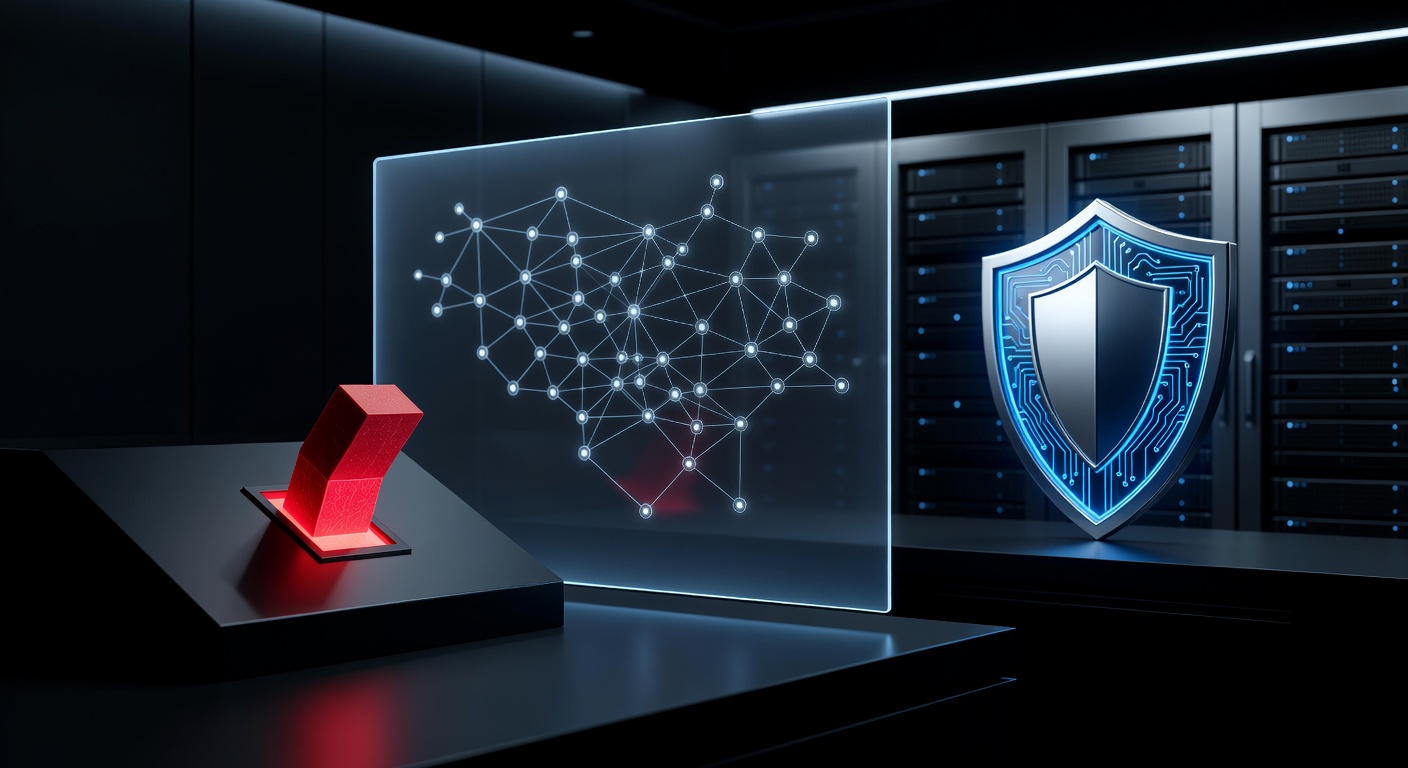
This creates an uncomfortable scenario: What if an AI company's technology is being used by an adversary? The temptation to flip a kill switch might be enormous. After all, these are private companies with their own values and allegiances, not neutral utilities like electricity or water.
Anthropic's Firm "No"
Anthropic's response has been crystal clear: they won't sabotage their own technology, even during wartime. This stance reflects a broader philosophy about AI as a tool that should remain neutral and accessible, regardless of geopolitical tensions.
But here's where it gets complicated - and honestly, a bit scary. While Anthropic says they won't intentionally break their AI, that doesn't mean they couldn't be forced to do so. Governments have ways of compelling companies to act, especially during national emergencies.
The Bigger Picture: AI as Critical Infrastructure
What we're really talking about here is whether AI has become so important that it's now critical infrastructure. Just like we protect power grids and communication networks during conflicts, maybe we need to think about AI systems the same way.
The challenge is that unlike traditional infrastructure, AI systems are largely controlled by private companies with their own interests and values. There's no "neutral" AI provider - they're all based in specific countries with specific political systems.
My Take: Transparency is Key
As someone who's been following AI development closely, I think this whole debate highlights a crucial point: we need much more transparency about how AI companies would handle extreme scenarios.
I actually respect Anthropic for being upfront about their position, even if it raises uncomfortable questions. It's better to have this conversation now, while we can still shape policies and expectations, rather than scrambling to figure it out during an actual crisis.
The reality is that AI is becoming too important to leave entirely in private hands without some form of international coordination. Maybe we need something like the Geneva Conventions for AI - agreements about how these tools can and can't be used during conflicts.
What This Means for the Rest of Us
For everyday users like you and me, this debate is a reminder that the AI tools we're getting comfortable with aren't just neutral software - they're products of specific companies with specific values and vulnerabilities.
It doesn't mean we should stop using AI assistants (I certainly won't stop using Claude or ChatGPT). But it does mean we should think critically about our dependence on these tools and have backup plans for critical work.
The age of AI neutrality might be ending before it ever really began. And honestly? That's probably something we all need to grapple with as these technologies become more central to how our world works.
What do you think? Should AI companies pledge neutrality during conflicts, or is that just naive wishful thinking in our interconnected world?
Source: https://www.wired.com/story/anthropic-denies-sabotage-ai-tools-war-claude