
markdown formatted blog content
So here's a question for you — have you ever been camping and realized your phone is about to die right when you're trying to figure out directions back to civilization? Or maybe you've experienced a power outage and thought, "Man, I wish I had a way to keep some things running."
Well, friend, I have news for you. Portable power stations might just be the gadget you didn't know you needed.
What Even Is a Portable Power Station?
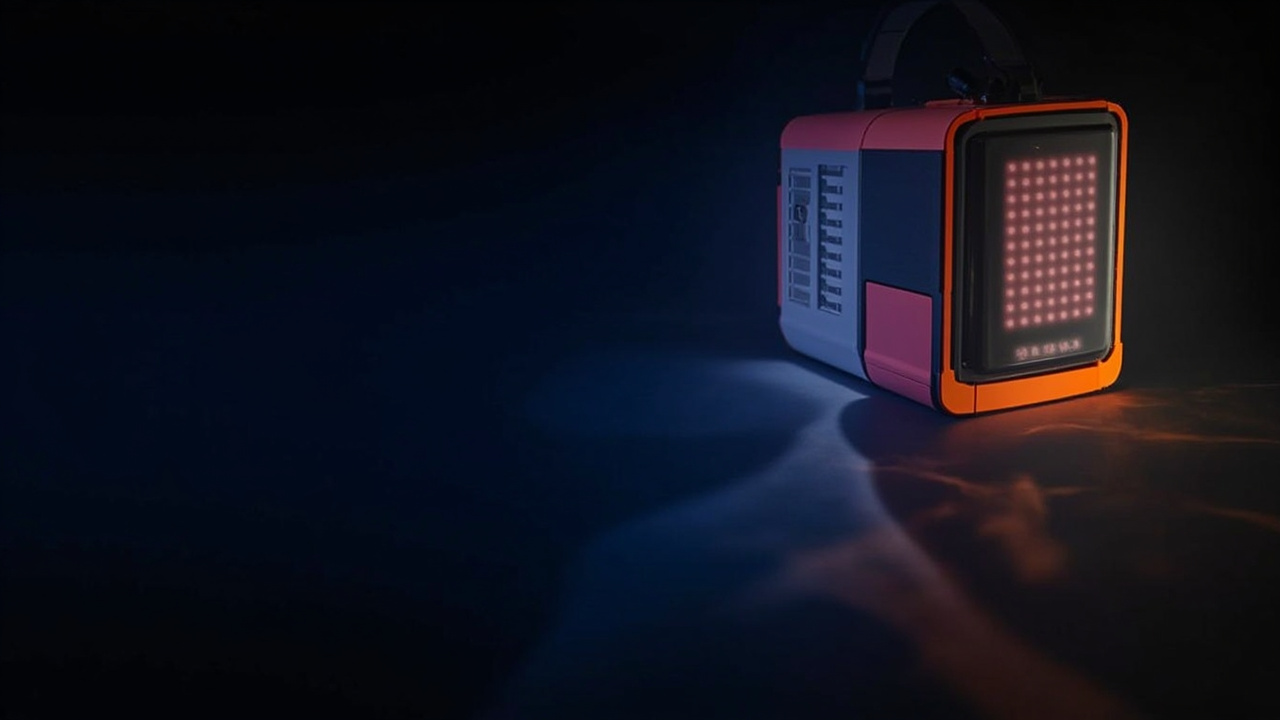
Let me start with the basics. A portable power station is basically a really big battery pack that you can take with you anywhere. Unlike those little phone chargers you probably have in your drawer, these bad boys can power actual appliances — like mini fridges, laptops, CPAP machines, and even some power tools.
Think of it as a silent, smoke-free generator that doesn't require gas or oil. You just charge it up at home (usually via a wall outlet, car charger, or even solar panels), and then you've got electricity on the go.
Why Would Normal People Need One?
Okay, I know what you're thinking. "I'm not a hardcore camper or prepper. Do I really need this?"
And honestly? Maybe not. But let me throw out some scenarios where these things are genuinely useful:
Camping and outdoor adventures — You can keep lights on, charge your camera gear, or even run a small electric cooler so your food doesn't spoil.
Power outages — Living somewhere with unreliable power? A decent power station can keep your essentials running for hours (or even days if you're careful).
Working remotely — Digital nomads, this one's for you. Power your laptop and WiFi hotspot from a coffee shop parking lot, a cabin in the woods, or basically anywhere.
Tailgating and outdoor events — Who wants to run extension cords across a parking lot when you can just... not?
What Should You Look For?
Alright, if I've convinced you that a portable power station might be worth your money, let's talk specs. Here's what actually matters:
Battery Capacity (measured in watt-hours or Wh) — This tells you how much energy it can store. A 500Wh unit might run a mini fridge for about 8 hours. A 2000Wh unit could keep your fridge going for a couple of days. Think about what you actually need to power and for how long.
Output Ports — Check what kinds of ports it has. USB-A, USB-C, regular AC outlets (the kind you'd find in your house), and maybe even some 12V car-style ports. The more versatile, the better.
Charging Speed — How fast does it recharge when you plug it back in? Some units can go from 0 to 80% in under an hour, which is pretty nifty.
Weight — Here's the thing: bigger capacity means heavier unit. A 2000Wh power station might weigh 40-50 pounds. That's not exactly "portable" in the sense of tossing it in a backpack. Think about whether you need something you can carry one-handed or if a wheeled unit is fine.
Solar Charging Capability — This is where it gets fun. Many power stations can be paired with solar panels for off-grid recharging. If you're serious about outdoor adventures or emergency preparedness, this feature is worth paying attention to.
The Downsides (Because I'm Honest With You)
I promised to give you the real talk, so here it is: portable power stations aren't perfect.
For one thing, they're expensive. A quality unit with decent capacity will easily run you several hundred dollars, and the really powerful ones? You might be dropping over a thousand. So this isn't exactly an impulse buy.
They also degrade over time. Like any lithium battery, the capacity will slowly decrease with use and age. That fancy 1000Wh unit might only hold 700Wh after a few years.
And honestly, for most people in most situations, a decent gas generator is still more powerful and can run longer. Power stations are convenient and quiet, but they're not a replacement for serious power needs.
So...Should You Get One?
Here's my honest take: if you camp even occasionally, live somewhere with frequent outages, work remotely, or just like being prepared for emergencies, a portable power station is a fantastic investment. They're versatile, relatively simple to use, and honestly kind of cool to have around.
But if you rarely leave civilization and your power has never gone out, you might not get enough use to justify the cost.
The good news? You don't have to go all-in immediately. Start with something smaller and affordable, see how you use it, and upgrade later if you find yourself wishing you had more capacity.
Happy adventuring, and may your devices never die at a inconvenient moment!