
The Ocean's Quiet Killer
Let me tell you about something that made me completely rethink my relationship with shellfish. There's a neurotoxin called saxitoxin produced by certain marine algae during what's known as "red tide" blooms, and it's absolutely terrifying. This stuff is so potent that it can paralyze your muscles—including the ones you need to breathe—and essentially asphyxiate you from the inside out. Every year, people around the world die from paralytic shellfish poisoning (PSP) after eating contaminated mussels, clams, or oysters, and there's never been an antidote.
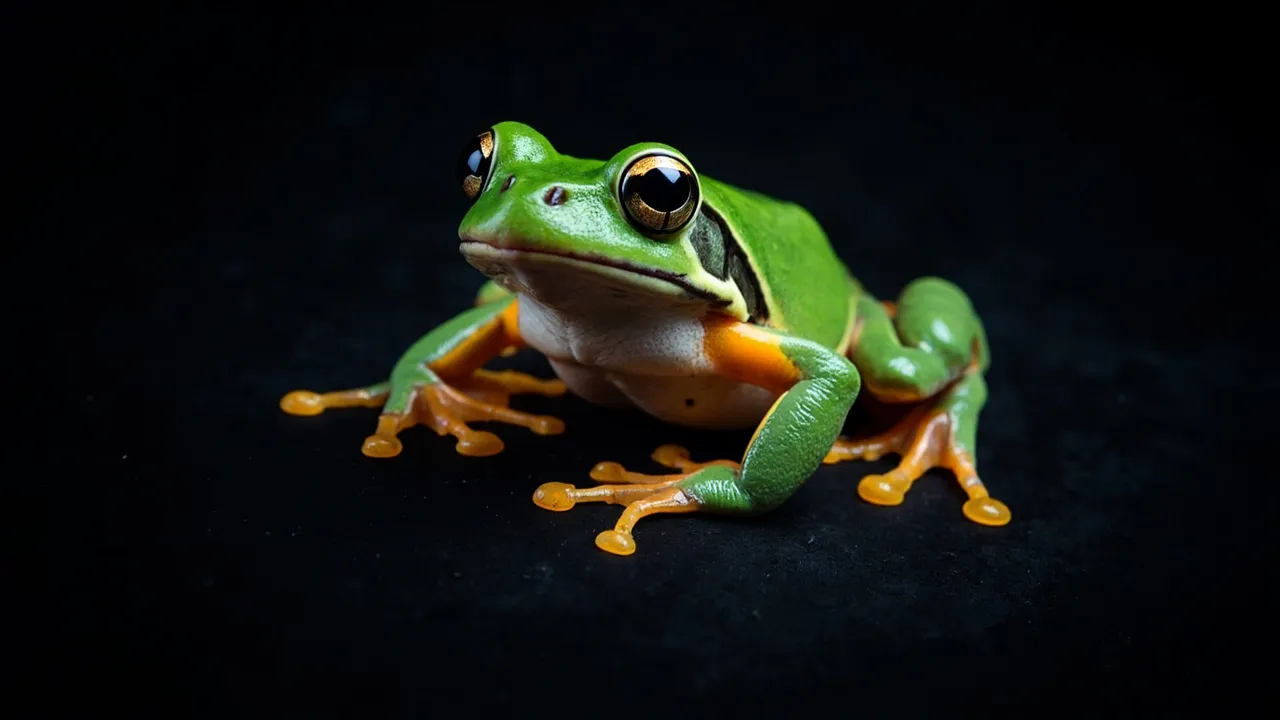
Here's where it gets really wild, though. Scientists at the University of California San Francisco have been studying something they call saxiphilin—a protein that naturally occurs in bullfrogs and other amphibians. And guess what? It basically acts like a molecular sponge, soaking up saxitoxin before the toxin can attack your nerve and muscle cells.
From Frogs to the Rescue
In a new study published in Nature Communications, researchers demonstrated that saxiphilin successfully cured mice that had been given PSP. The team, led by Daniel Minor, took a different approach than most scientists trying to find antidotes. Instead of trying to disrupt the toxin's complicated biological processes, they looked for something that could essentially grab onto the toxin and neutralize it. Nature, it turns out, already had an answer.
"This was a problem looking for a solution," Minor said in a press statement. "It turns out that one naturally occurring protein is all that's required to take this toxin out of commission."
Isn't that beautiful? For years, scientists have been searching for a way to fight this poison, and the solution was hiding inside frogs all along. The protein binds to the toxin and prevents it from blocking the sodium channels in your cells—the mechanism saxitoxin uses to shut down nerve and muscle function.
A Chilling History
The more I learned about saxitoxin, the more unsettling it became. This isn't just a random marine toxin—it's been weaponized. During the Cold War, the U.S. military stockpiled it as a chemical weapon. Apparently, pilots of U2 spy planes carried pills of saxitoxin in case they were captured. The CIA reportedly developed a silent assassination weapon that fired a pellet of the toxin—infamously called the "heart attack gun." It's genuinely eerie stuff, and knowing there was no antidote made it even more dangerous.
Climate Change Makes This Research Urgent
Here's why we can't ignore this discovery: red tide blooms are becoming more frequent and more intense as our oceans warm. In July 2022, scientists documented the largest toxic bloom ever seen in polar waters. These events are directly linked to climate change, and as they become more common, so will cases of PSP.
The researchers are now working on engineered versions of saxiphilin that could provide even better protection. Since saxitoxin actually refers to a family of more than 50 related toxins, they're hopeful that a modified version of the frog protein could bind to many variants at once.
Nature's Solutions Are Hiding in Plain Sight
What really struck me about this research is the philosophy behind it. Minor pointed out that every animal on Earth has evolved its own solutions to the problems humans face. When we study those adaptations, we're essentially tapping into millions of years of biological problem-solving that nature has already perfected.
"Nature has had to solve this problem multiple times," Minor said. "So, there is resilience to toxins all over the biological world."
So the next time you enjoy a plate of mussels at your favorite seafood restaurant, you might want to spare a thought for the humble bullfrog. Somewhere in its biology lies a protein that might one day save your life—or at least keep you from a very bad night. Science can be pretty amazing sometimes, can't it?