
Scientists Just Smashed a World Record — And It Could Change How We Make Energy
I love it when science does something unexpected. You know what I mean? When researchers throw out the rulebook and just... do it differently.
Here's what's been keeping me up at night (in a good way):
A team in Germany just ran a hydrogen turbine for 303 seconds. Over five minutes. And they actually produced electricity from it. The previous record? 250 seconds — held by NASA.
They beat NASA. With a completely different approach.
The Problem Nobody Talks About
Let me explain why this matters. You know how your car's turbocharger works? Same idea. Gas turbines — the kind that power planes and power plants — need to compress air before they can burn fuel. Simple enough.
Except here's the thing: about half of everything that turbine produces goes right back into running that compressor.
Half. Think about that. You're making 100 units of energy and immediately spending 50 of them just to keep the machine running. That's not a design flaw, by the way. That's just how these things have always worked.
Until now.
The Fix? Small Explosions
The team at KIT (Karlsruhe Institute of Technology) did something bold. They removed the compressor entirely.
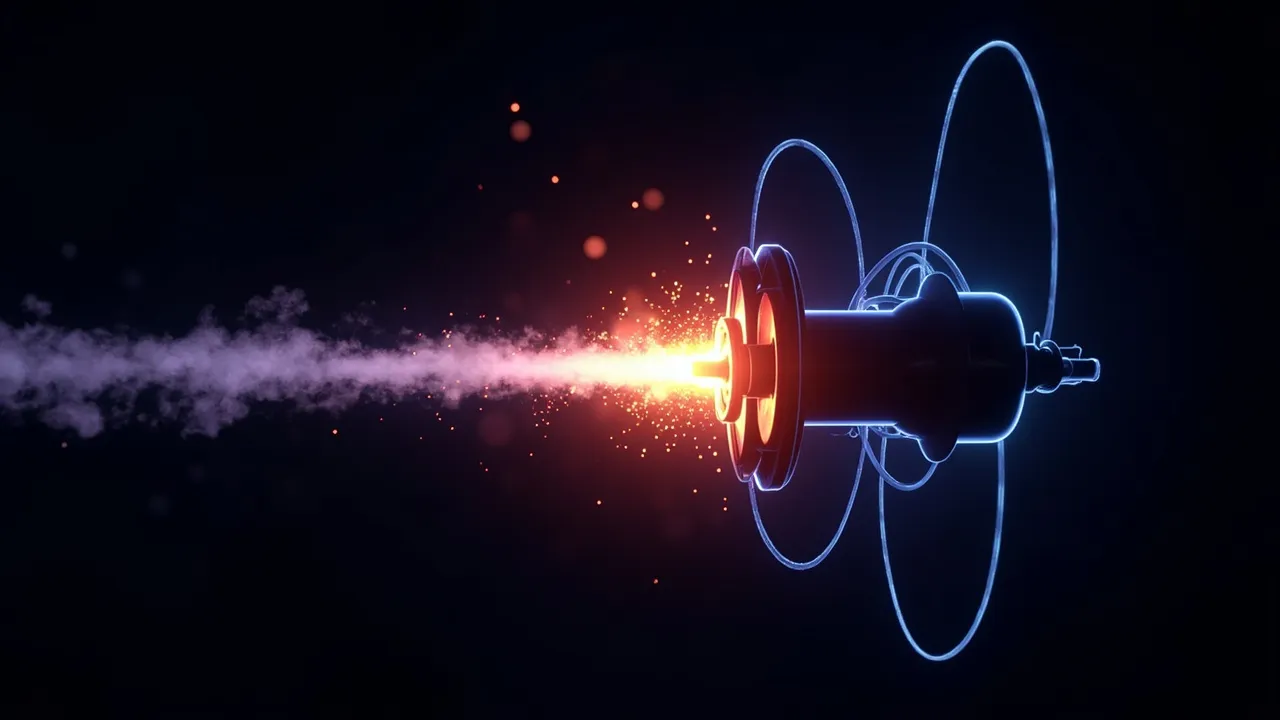
Instead of squeezing air before combustion, their system creates pressure inside the burning chamber. They're basically setting off tiny, controlled detonations in a specific pattern. The explosion itself generates the pressure they need. No compressor. No mechanical complexity.
It's kind of brilliant in its audacity.
Why Hydrogen Makes Sense Here
The technology could theoretically work with other fuels, but hydrogen is special for this application. It burns fast and can create those stable pressure waves that make the whole thing stable. But here's what really gets me:
Hydrogen can be made from renewable energy.
So we're not just talking about a more efficient turbine. We're talking about a turbine that could run on clean energy from start to finish. Green hydrogen. No fossil fuels. Scalable.
Professor Daniel Banuti put it well: this is about building "highly efficient and flexible hydrogen energy for a fossil-free system."
What Changes If This Works?
Getting rid of the compressor could mean:
- Less energy wasted — no more feeding half your output back into the system
- Fewer moving parts — fewer things that break, less maintenance
- Lighter engines — especially interesting for aviation
- Cheaper turbines — simpler design tends to cost less
They also figured out how to convert those intense reactions into usable electricity without everything flying apart. Turns out "controlled explosions" is harder than it sounds.
Where Does This Go?
Near-term? Power plants. This could make electricity generation way more efficient.
Long-term? Aviation. Imagine jet engines that don't need massive mechanical compressors. Lighter. More efficient. Running on hydrogen instead of kerosene.
We're still early. Plenty of engineering challenges ahead. But watching researchers beat NASA's record using a fundamentally different approach to combustion?
That stuff makes me believe the energy future might be more interesting than we think.
Sometimes the biggest breakthroughs aren't about making things bigger. They're about asking "what if we did this completely differently?"
Πηγή: ScienceDaily