
Okay, I need to tell you about something genuinely exciting happening in the world of energy technology, because I think we often overlook the quiet revolutions happening in research labs.
Scientists at the Karlsruhe Institute of Technology in Germany recently hit a major milestone with their hydrogen gas turbine – they kept it running for 303 seconds (that's over five minutes!). Not only that, but they actually generated electricity from it. The previous record, held by NASA, was 250 seconds. So yeah, they beat NASA.
But here's what really caught my attention, and why I'm genuinely excited about this.
The Compressor Problem
You know how your car engine has a turbocharger? Well, regular gas turbines used in power plants and airplanes work kind of the same way – they need to compress air before mixing it with fuel and igniting it. The problem? About half of the turbine's entire power output goes just to running that compressor.
Think about that for a second. Half the energy it produces, it uses on itself. Not exactly efficient, right?
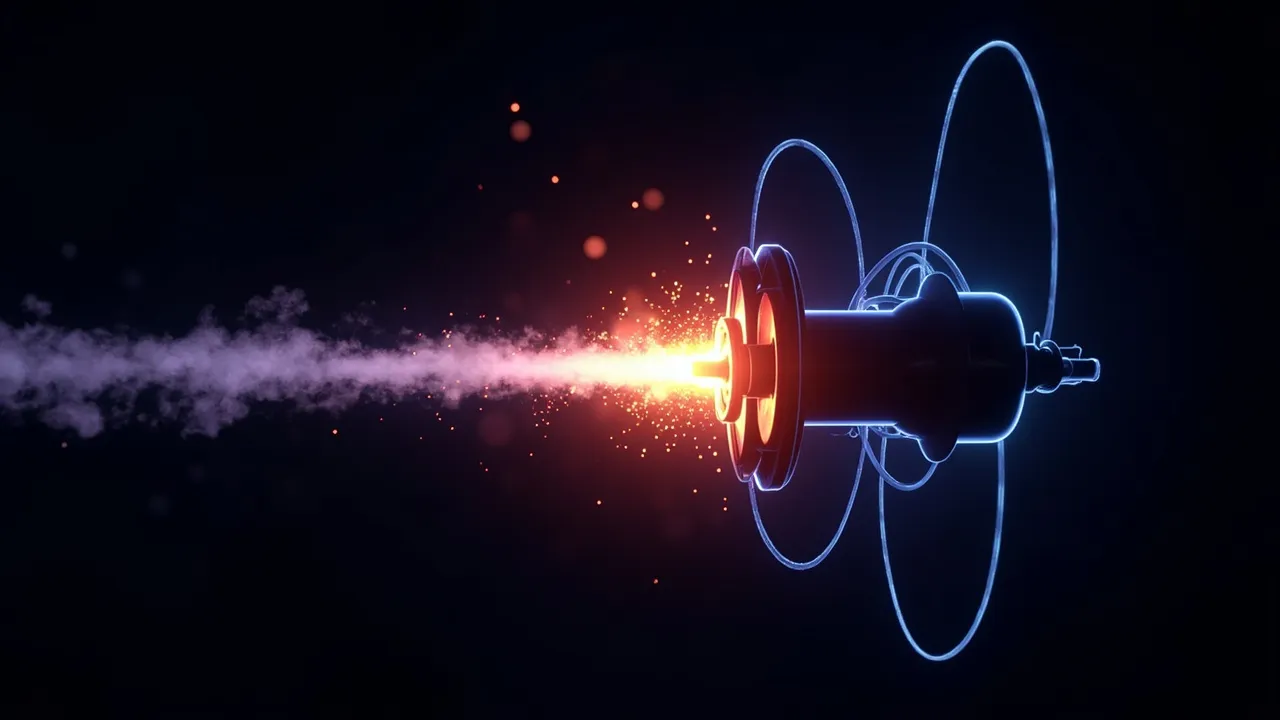
The KIT team took a completely different approach. Instead of mechanically compressing air before combustion, their design creates pressure inside the combustion chamber itself using what's called pressure-gain combustion. Think of it like setting off tiny, controlled explosions in a specific pattern – detonation waves that create pressure naturally without any compressor needed.
Why Hydrogen Specifically?
The technology could theoretically work with various fuels, but hydrogen is especially well-suited for this. It reacts incredibly quickly and can produce those stable pressure increases that make the whole system work. Plus, here's the beautiful part: hydrogen can be produced using renewable energy (hello, green hydrogen!), which means this isn't just about making turbines more efficient – it's about making clean energy production actually viable at scale.
Professor Daniel Banuti from KIT put it perfectly: "This is an important step toward highly efficient and flexible hydrogen energy for a fossil-free energy system."
Why This Matters
Removing the compressor could mean:
- Less energy lost in the process
- Fewer moving parts (which means fewer things that can break)
- Potentially lighter and cheaper turbines
- Higher overall efficiency
The team also solved another tricky problem – converting those intense combustion reactions into usable electricity while keeping everything stable. Turns out, controlled explosions are hard to harness in a gentle, consistent way. But they did it.
What Could This Lead To?
In the nearer term, this could revolutionize electricity generation in power plants. Further down the line? Aviation. Imagine jet engines that don't need massive mechanical compressors, could be lighter, more efficient, and powered by hydrogen instead of kerosene.
We're still in the early stages, and there's plenty of engineering work ahead. But watching researchers beat NASA's record using a fundamentally different approach to combustion? That's the kind of science that makes me optimistic about our energy future.
Sometimes the biggest breakthroughs come not from making something bigger, but from rethinking how it works entirely.
Source: ScienceDaily