
markdown formatted content
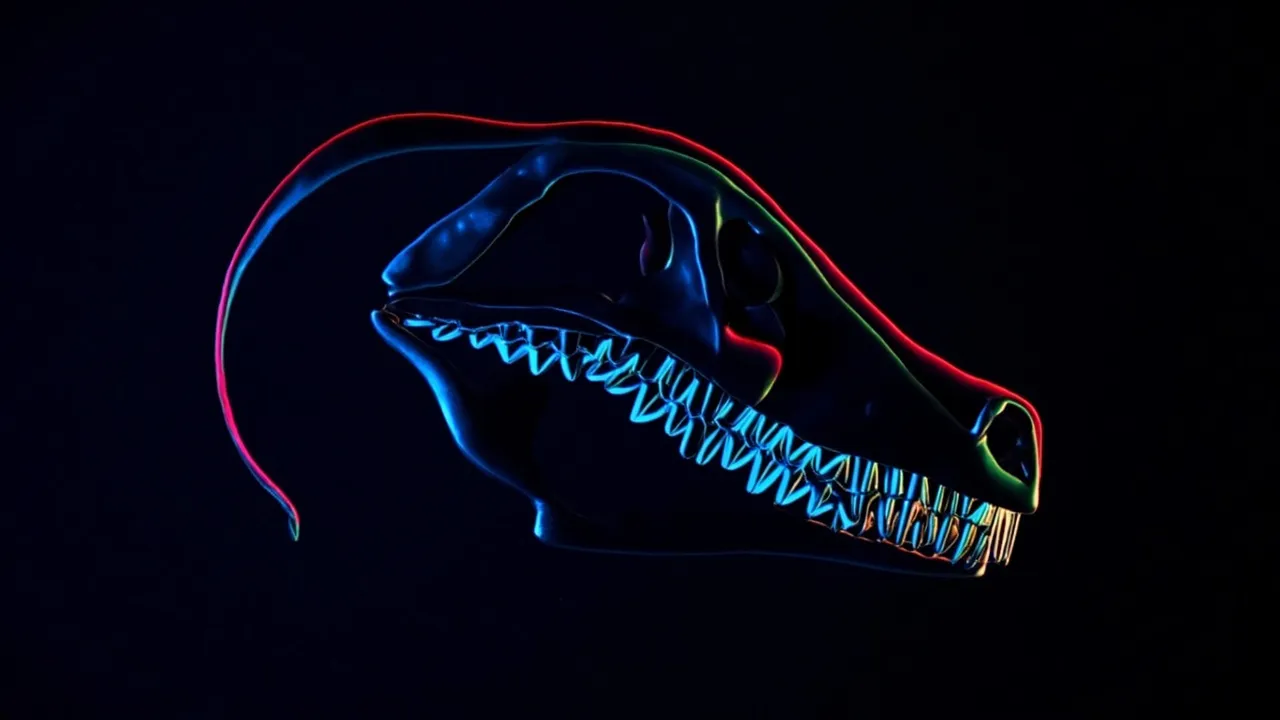
Okay, I have to admit—I didn't expect to be writing about sea monsters today, but here we are. And not just any sea monsters. We're talking about mosasaurs: massive marine reptiles that ruled the oceans during the time of the dinosaurs. These weren't your average ocean dwellers. They were essentially the sharks of the Cretaceous Period—apex predators that made other sea creatures very nervous.
The Plot Twist: Hidden in Plain Sight
So here's what happened. Back in the early 1990s, researchers in Osaka Prefecture, Japan, collected some mosasaur fossils and carefully preserved them at the Natural History Museum in Kishiwada City. The fossils sat there for roughly 30 years, probably looking pretty boring in their storage cases. Nobody gave them a second thought.
But recently, a team of researchers decided to take another look at some of the unprepared rock samples—pieces that had never been fully examined. And guess what? They found four fossil bones that had been hiding inside this material the whole time.
Isn't that just like archaeology? Or paleontology, in this case? We've got these incredible specimens sitting in climate-controlled rooms, waiting for someone curious enough to look closer.
The Nose Bone That Made History
One of the newly discovered bones is called the premaxilla—it's the bone at the very front of the upper jaw, right where the nose would be. According to the research team, this is the first time a premaxilla has ever been confirmed in a mosasaur fossil found in Japan.
Let that sink in for a moment. In all the mosasaur discoveries made in Japan over the years, nobody had ever found this specific part of the skull. Until now.
The researchers say this is a pretty big deal because when the original fossils were collected back in the 1990s, scientists simply didn't have enough comparative specimens to work with. They were essentially trying to solve a puzzle with half the pieces missing. Fast forward three decades, and researchers now have much more anatomical information and a bigger collection of fossils to compare against. That allowed the team to confidently identify the premaxilla.
But Here's Where It Gets Really Interesting...
The premaxilla wasn't the only surprise. The team also examined another bone called the basisphenoid, which sits near the braincase. And this is where things got really exciting.
The bone has some unusual features. For one, it has short horn-like projections extending outward. It also lacks something called a "ventral median groove"—a feature that's pretty standard in previously known mosasaurs.
In plain English? This creature's skull doesn't quite match what we've seen before. The combination of these traits is different from any documented mosasaur species.
Does this mean we've stumbled upon a brand-new species? Maybe! The researchers are being careful not to jump to conclusions, but they're definitely intrigued. It could represent a species that's completely new to science—one that swam through the waters of what is now Japan millions of years ago.
Why Museum Collections Matter
I love this story because it highlights something that doesn't get nearly enough attention: the value of museum collections and old specimens. These fossils weren't collected yesterday. They weren't found in some dramatic expedition to a remote corner of the globe. They were sitting in a museum, gathering metaphorical dust, until someone decided to take another look.
This happens more often than you might think. Scientists regularly revisit old specimens with new techniques, new knowledge, and fresh eyes. What seemed unremarkable decades ago might reveal something extraordinary today.
The researchers themselves noted that fossils kept for decades may still contain important bones or evidence that simply wasn't recognized when they were first collected. Science isn't always about finding new things—sometimes it's about seeing old things in a new way.
What This Could Tell Us
Beyond the excitement of potentially discovering a new species, there's another reason this research matters. Mosasaurs lived during the Late Cretaceous Period, roughly 98 to 66 million years ago. Understanding more about them helps scientists reconstruct what marine ecosystems looked like in the northwestern Pacific during that time.
More research will be needed to confirm whether this specimen truly represents a new species. But even if it doesn't, the discovery of that premaxilla alone is significant for Japanese paleontology.
The findings were recently presented at the 177th Annual Meeting of the Palaeontological Society of Japan, which seems like the perfect venue for announcing that there's still so much left to discover—even in old fossils.
The Bottom Line
So the next time you hear about a "boring" museum collection or a decades-old specimen gathering dust in storage, remember this story. Somewhere in those boxes and cases might be bones that nobody recognized yet—parts of creatures that could reshape what we know about life on Earth.
As for this particular sea monster? It spent 30 years hiding in plain sight. Now it's making waves in the paleontological world, and scientists are eager to learn what else it might reveal.