
Markdown formatted content with my own voice and commentary
Okay, I need you to look at this image. Actually, take a moment. Really look at it.
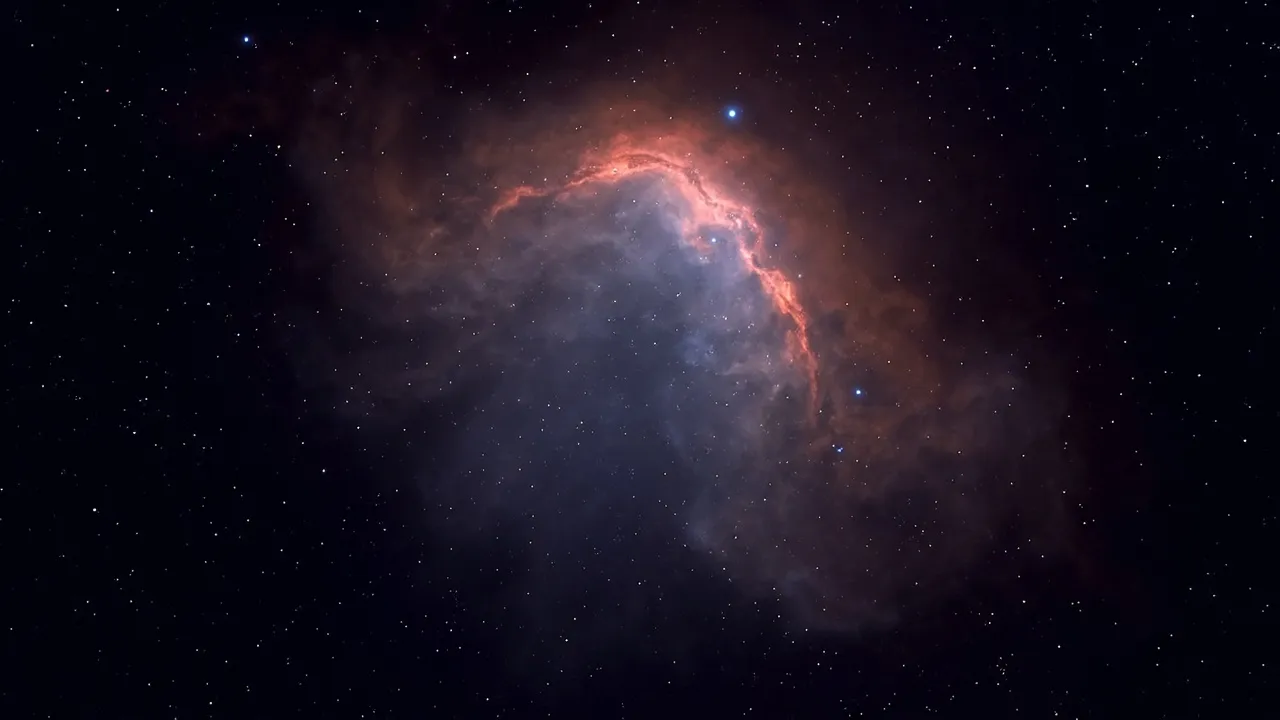
What you're seeing is called the Lion Nebula (formally known as NGC 2392), and it was just photographed by the James Webb Space Telescope in stunning infrared detail. I don't know about you, but when I first saw these pictures, my immediate thought was: "The universe has the best art installations."
So What Exactly Is This Cosmic Lion?
Here's the wild part — this lion-shaped cloud of gas and dust was created by a dying star. Yep, the star at the center of this nebula is essentially in its final act, and it's putting on quite the show for us.
Think of it this way: when massive stars die, they often go out with a massive supernova explosion. Spectacular? Absolutely. Common? Not really. But the vast majority of stars in our universe are smaller, quieter types. And when they reach the end of their lives, they do something absolutely mesmerizing — they shed their outer layers like a cosmic snake shedding its skin.
Those expelled layers form what we call a planetary nebula (don't ask me why — astronomers aren't always great at naming things). The radiation from the remaining hot core pushes all this material outward, and over time, the most extraordinary structures form.
The Star That Refuses to Quit
At the heart of the Lion Nebula sits what remains of the original star. In this case, it's a white dwarf — essentially the super-hot, exposed core that was once the star's heart.
And here's where things get really interesting. This white dwarf isn't just sitting there quietly. It's absolutely cooking the surrounding material with its intense radiation. That energy is creating a bubble of ionized gas that, from our perspective millions of light-years away, looks suspiciously like a lion's face.
Talk about dramatic even in death, right?
The Mane Is Made of Survival
Now let's talk about that incredible mane. The "hair" you see in these images isn't just pretty decoration — it represents regions where dust has managed to survive the white dwarf's relentless radiation. These are the tough guys of the nebula, dense clumps of material that have blocked enough radiation to protect what's behind them.
Webb's infrared instruments are perfect for seeing these details because infrared light can penetrate through some of the haze that visible light cannot. It's like giving the nebula an X-ray instead of just a photo.
Why Should You Care?
I know what some of you might be thinking: "Cool pictures, but why does any of this matter?"
Here's my take: moments like this remind us how small we are in the most wonderful way possible. Somewhere out there, a star is dying, and in its death throes, it's creating something so beautiful and complex that it literally looks like an animal. That's not coincidence — that's the universe expressing itself through physics.
Also, these planetary nebulae are responsible for creating much of the dust in our universe. The calcium in your bones, the iron in your blood — some of it was forged in stars and scattered across the cosmos in events not unlike what's happening in the Lion Nebula right now. In a very real sense, we're all made of stellar remnants.
The Clock Is Ticking
Here's a sobering thought: astronomers estimate the Lion Nebula has only about 10,000 years left before it disperses completely. On cosmic timescales, that's basically a blink of an eye. The structures we see in these images are temporary — they'll change, shift, and eventually fade away.
Webb's observations essentially captured a single snapshot in this nebula's long evolution. The gas and dust are still traveling outward from the central white dwarf, and the nebula's appearance will continue to change for millennia to come. But eventually, it will scatter into the void, leaving nothing but the tiny white dwarf behind.
So while we have this window, let's appreciate what we're seeing. Because in about 10,000 years, this particular cosmic artwork will be gone.
The James Webb Space Telescope continues to reveal the universe in ways we never imagined possible. And personally? I can't wait to see what it shows us next.