
The Unlikely Birth of Aerial Spying
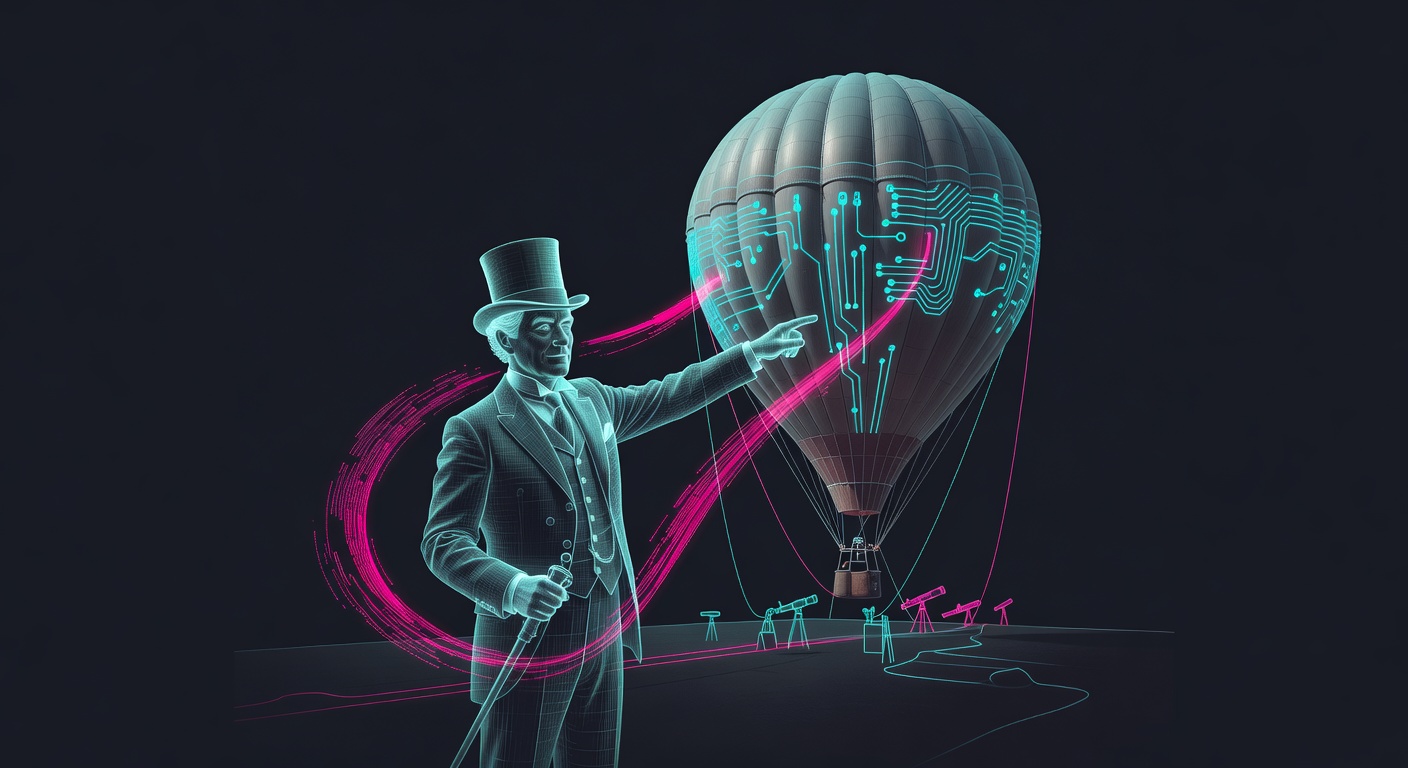
Picture this: Cincinnati, April 1861. A man in a fancy silk hat and a long black coat stands beneath a massive balloon called the "Enterprise," preparing for what might be the most important flight of his life. It's just eight days after Fort Sumter, and the nation is tearing itself apart. But Thaddeus Lowe—Prof. Thaddeus Lowe, if you please—is convinced that his balloon is exactly what the divided Union needs.
It sounds like a plot from a steampunk novel, doesn't it? Except it actually happened.
The Strange Professor Nobody Remembers
Here's the thing that gets me: you probably know the names of famous aviators. The Wright Brothers. Amelia Earhart. Charles Lindbergh. But Thaddeus Lowe? He's been basically erased from popular memory, even though his impact on military technology is just as significant as any of those household names.
The Smithsonian's aeronautics experts agree. According to them, Lowe didn't just fly a balloon—he literally invented American military aviation. Everything from reconnaissance balloons to today's spy satellites traces back to this one weird, charismatic showman.
The craziest part? Lowe's name wasn't even "Thaddeus" at birth. The guy's full name was Thaddeus Sobieski Constantine Lowe. I mean, come on—that's the most ambitious name I've ever heard. Born in New Hampshire in 1832, he claimed to be a Mayflower descendant (though historians have never really confirmed this). Whether his origin story was true or not, one thing's for sure: the man had a flair for drama.
How a Chemistry Demonstration Changed Everything
So how does someone end up inventing aerial reconnaissance? For Lowe, it started at a traveling chemistry exhibition in the 1850s where he learned about hydrogen gas and how to create it using sulfuric acid and metal shavings. Most people would've thought, "Neat, now let me go home." Not Lowe. He basically said, "I'm going to dedicate my life to balloons."
And not in a quiet, nerdy way. This guy became a full-fledged showman. He wore a giant brown fur coat so often that newspapers started calling him the "Russian Bear." He performed hydrogen explosions and vinegar volcanoes to entertain crowds. Think of him as the Bill Nye the Science Guy of the 1850s—except he was traveling the country in a balloon, which is infinitely cooler than anything Bill Nye ever did.
By the 1850s, Lowe had built his own balloon, then upgraded to a massive one called the "City of New York." (The name was basically a joke about how absurdly huge it was—725,000 cubic feet and 200 feet tall.) He attempted long-distance flights, including one from Ottawa to Portland, Maine. The guy was genuinely testing the limits of what balloons could do.
The Genius You Never Expected
Here's what separates Lowe from just another eccentric inventor: he actually understood the science deeply. He knew how to create gases safely, measure wind speeds, and handle the technical challenges of long-distance ballooning. This wasn't just a guy playing around with hot air (pun intended).
Most importantly, Lowe figured out how to keep balloons in the air for longer journeys. He invented portable hydrogen generators—basically giant tanks filled with dilute sulfuric acid mounted on Army wagons. Imagine that: mobile gas stations for balloons. This meant you could take your balloon anywhere and refuel it, which completely changed the game for long-distance aerial travel and military reconnaissance.
Why This Matters More Than You'd Think
When the Civil War erupted, suddenly the Union desperately needed better intelligence about Confederate positions. Lowe showed up with his balloons, and the military quickly realized: "Wait, we can see enemy camps from up there?" It sounds obvious now, but in 1861, it was revolutionary.
The balloon corps became the first actual military aviation unit in American history. Not experimental, not theoretical—the first. Everything we have now—spy satellites, drones, aerial photography—all of it traces back to Lowe floating above the battlefield in a balloon, taking notes on what he could see.
The irony? Most people have never heard of him. The Wright Brothers got the glory. Lindbergh got the parades. But Lowe basically created an entire branch of modern military technology while wearing a silk hat and a ridiculous mustache.
The Real Legacy
What gets me about this story is how innovation often comes from the strangest places. It comes from people who are part scientist, part performer, part dreamer. Lowe wasn't content with just demonstrating balloons for entertainment—he wanted to push the technology forward. He wanted to solve real problems.
And he did. By accident and on purpose, he changed how wars are fought and how nations gather intelligence. Pretty good legacy for a guy in a fancy coat.
The next time you see a news story about reconnaissance photos or satellite imagery, remember: it all started with an eccentric showman, a lot of hydrogen gas, and the absolute conviction that balloons could change the world.
He was right.