
The Hobby Nobody Tells You About (Until You Try It)
So here's the thing about metal detecting: it's weirdly addictive. There's something almost magical about wandering around a beach or park with a beeping device, knowing that literally anything could be buried under your feet. An old coin? A piece of jewelry? A rusty bottle cap that makes you feel like an archaeologist for about 30 seconds?
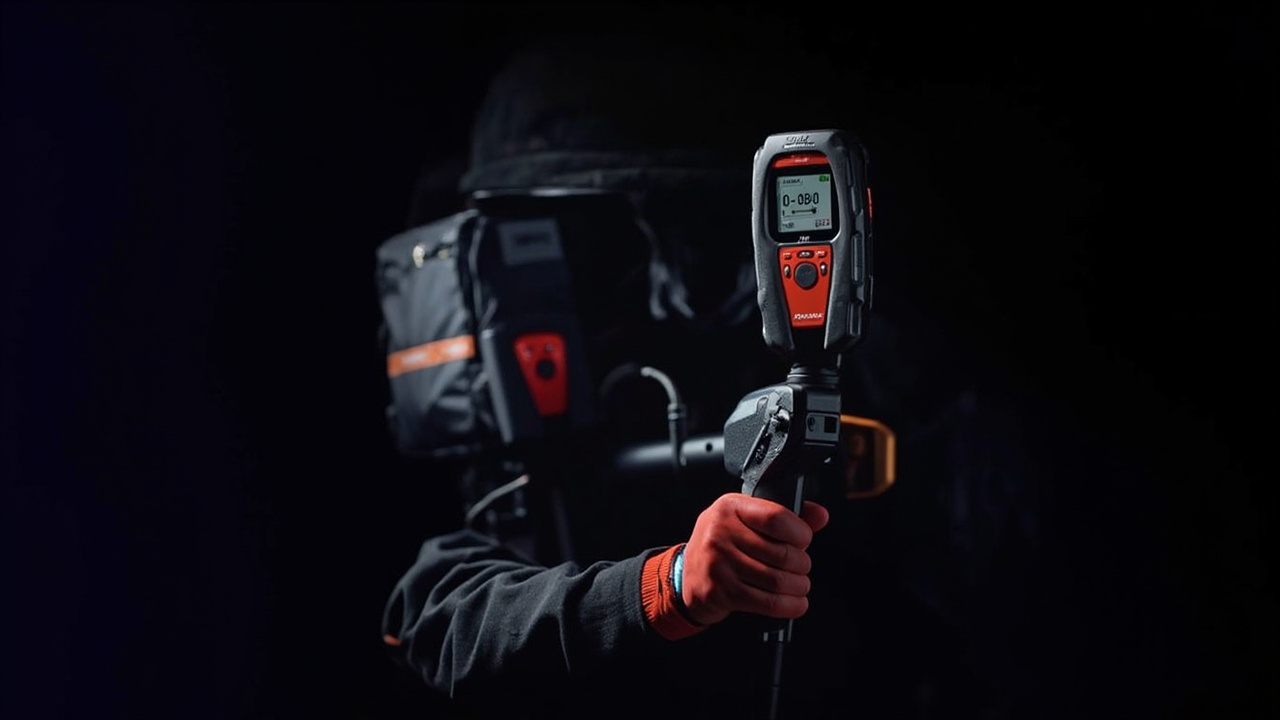
I got curious about this hobby recently and ended up testing the Minelab Vanquish 440, a detector that's been getting a lot of buzz as the "best bang for your buck" in the metal detecting world. After spending quality time with it at local beaches and my yard, I'm here to tell you whether the hype is real.
Not Your Grandpa's Garage Sale Find
Let me be honest: when I first heard people got excited about metal detectors, I expected them to be clunky, unreliable gadgets that mostly detected tin foil and broken dreams. The Vanquish 440 completely changed my perspective.
The biggest technical advantage here is that it uses multiple frequencies instead of just one. Most budget detectors operate on a single frequency, which is basically like listening to music through only one speaker. The Vanquish 440 uses several frequencies simultaneously, which means it can detect different types of metals much more effectively. And here's the kicker—Minelab has been perfecting metal detectors since 1985, so you're buying from people who actually know what they're doing.
When I held it for the first time, I was genuinely surprised by how solid it felt. At 2.6 pounds, it's light enough to carry around all day without your arm getting tired, but it's definitely built to last. (The red color scheme makes it look a bit toy-like, not gonna lie, but who cares if it actually works?)
The Headphone Situation (Let's Talk About This)
Okay, I need to address the elephant in the room. The headphones that come in the box are... well, let's call them "optimistic." I managed to break them in literally less than two hours. As someone who's generally not rough on electronics, this felt like a pretty significant oversight.
Here's why this matters: when you're at a crowded beach with waves crashing, you absolutely need precise audio to hear those subtle beeps that tell you something's down there. Bad headphones basically undermine the whole experience. If you're buying this detector, budget an extra $30-40 for a decent pair of 3.5mm wired headphones. It's frustrating, but not a dealbreaker.
Where It Actually Shines: The Real-World Test
I decided to put this thing through its paces in three different environments: my front yard (dry ground), dry beach sand, and wet beach sand. I buried some coins and a spoon at various depths and gave the Vanquish 440 a shot.
The results? Pretty impressive, honestly.
In dry conditions, it performed about as well as I expected—found everything pretty easily. But here's where it gets interesting: when I tested it in wet sand and even saltwater (keeping the control box dry, of course), it absolutely crushed it. The detector found buried items under 2-3 inches of water, which is genuinely remarkable. I've heard plenty of stories about cheaper detectors struggling in these exact conditions.
On one test run, I deliberately buried some beer cans 8-10 inches deep in both dry and wet sand. The Vanquish 440 found them. Other single-frequency detectors I've tested in the past completely whiffed on this. And yes, I found an actual quarter at some point, which gave me an embarrassingly disproportionate amount of joy.
The Different Search Modes Actually Matter
The detector comes with four different search settings, and they're not just there for show. There's a mode optimized for high-conductivity metals (coins and silver), one for jewelry, one for mixed metals, and custom modes you can tweak yourself.
The high-conductivity mode is fastest at showing you depth and giving you quick feedback. If you're specifically hunting for jewelry, that dedicated mode is worth using. The mixed-metal mode? That one tends to give you a lot of false positives if there's trash around, so I'd recommend being selective about when you use it.
The thing I appreciate most is that this isn't a "one trick pony" detector. You can adjust it based on what you're actually looking for, which is something usually reserved for much more expensive machines.
Should You Actually Buy This?
Here's my honest take: if you want to get into metal detecting without dropping a ton of money, the Vanquish 440 is genuinely worth considering. It works in conditions that will stumble cheaper detectors, it feels well-built, and Minelab's reputation actually means something.
Just go in knowing two things: grab some better headphones immediately, and check your local laws before you start detecting anywhere. (You can't use these in U.S. national parks or on historic battlefields, for what it's worth.)
Is it perfect? No. But for the price, it's pretty darn close.