
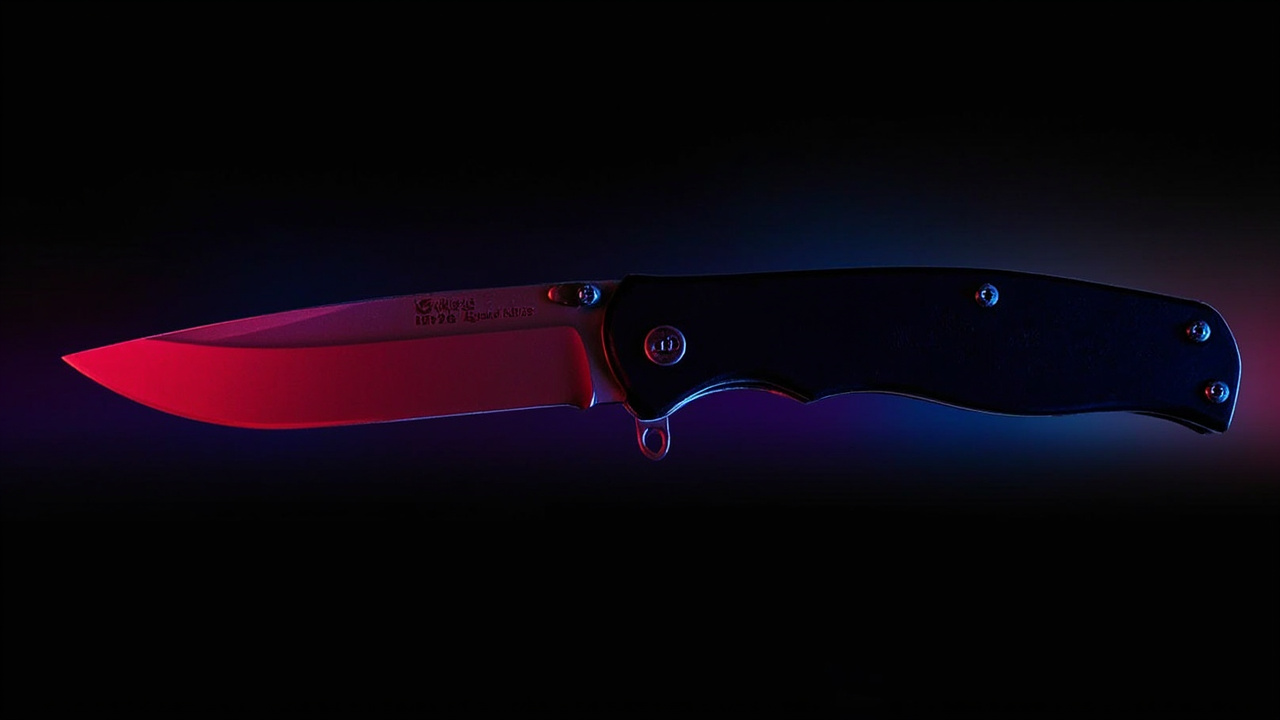
The Pocket Knife Rabbit Hole Nobody Expects
You know that moment when you need a knife and realize you don't have one? Yeah, I live there now. It started innocently enough—I wanted something for camping trips—but then I fell into the weirdly passionate world of pocket knife enthusiasts. And honestly? It's kind of great.
Here's the thing: there's a knife for literally everyone, from the person who just needs to open a package to the backpacker who's shaving ounces off everything. So let me share what I've learned, because some genuinely excellent knives won't break the bank.
The Everyday Workhorse (That Won't Destroy Your Wallet)
Let me introduce you to the kind of knife that just... works. It's not flashy. It's not trying to be tactical or Instagram-worthy. It just opens smoothly, feels good in your hand, and does what you ask without drama.
These are the knives made by companies that understand everyday people. You get a secure locking mechanism—the kind that doesn't accidentally close on your fingers—combined with one-handed operation that feels buttery smooth. The size sweet spot hits somewhere around 4.5 inches total length, which means it's not awkwardly huge in your pocket but still actually useful for real tasks.
The build quality here is solid because these manufacturers actually care about quality control. They source good materials, assemble them carefully, and stand behind their work. You're looking at aluminum handles paired with reliable steel that holds an edge without requiring a PhD to maintain.
Real talk: Under $100 gets you genuinely impressive knife engineering. That's wild when you think about it.
When You Actually Want to Go Ultralight
Now, if you're the type who agonizes over gear weight—and I mean really agonizes, like you've switched to a titanium spoon—there's a whole category of knives built specifically for you.
These are engineered like aircraft components. We're talking under two ounces, thinner than a smartphone, yet somehow still capable and strong. The secret is using super thoughtful materials: reinforced plastic handles that feel premium, aerospace-grade steel options, carbon fiber if you're feeling fancy.
The thing about these ultralight designs is they don't feel cheap, even though they're using materials that sound light and flimsy. It's because the engineering is actually sophisticated. Every curve, every reinforcement point, every detail is there for a reason.
Opening and closing uses clever mechanical systems that should probably require a PhD to operate but somehow feel completely intuitive. Spring-loaded crossbars, precision-engineered channels, components that work together like they're having a silent conversation. You can operate it one-handed, from either hand, without ever worrying your fingers will get in the way.
The trade-off: You're paying more for this engineering. But if you're already weighing your socks, this is where your money makes sense.
The Real Performance Difference
Here's where I learned something genuinely useful: the difference between "okay" and "excellent" sometimes comes down to the steel.
Cheaper steels hold an okay edge, rust if you look at them funny, and feel like a compromise. Better steels? They stay sharp longer, don't corrode in damp conditions, and actually perform when you need them to. The jump in price is real, but so is the jump in performance.
One option is getting that better steel treatment for a modest price increase—like a special coating that protects everything except the actual cutting edge. Genius move, really. Costs a bit more, saves you from rust disasters.
My unpopular opinion: The best knife is the one you'll actually carry. A premium knife that sits at home isn't helping anyone.
Why Brand Reputation Actually Matters Here
Some companies have been making knives forever and have earned their reputation through consistency. They use better materials, maintain stricter quality standards, and actually back up their products with warranties and repair services.
American-made knives from established brands often come with lifetime warranties and free sharpening services. That's not a marketing gimmick—that's a company saying "we're confident this will last your entire life." When something is that durable, the price starts looking reasonable.
These companies also innovate thoughtfully. They're not throwing random features at the wall. They're solving real problems that real people encounter.
The Honest Truth
The knives worth your money fall into a few categories:
Budget picks deliver shocking quality for the price. You get a reliable, well-designed knife that handles everyday tasks perfectly. Great for people who don't want to overthink it.
Premium picks are investments in engineering and durability. If you use your knife regularly or in demanding conditions, the extra cost buys you peace of mind and genuine performance advantages.
In between? There's usually something that hits the sweet spot for whatever you're doing.
The biggest mistake people make is buying something "tactical-looking" that's actually poorly designed, or overpaying for brand names when a better knife costs half the price.
Actually Testing These Things Matters
This whole rabbit hole started because I wanted real information, not marketing copy. So I actually used these knives—opened letters, cut rope, packed them on camping trips, and paid attention to how they performed under real conditions.
The ones that stood out weren't the flashiest or the most expensive. They were the ones that felt right in my hand, operated with satisfying smoothness, and stayed sharp when I actually needed them to cut something.
Edge retention, corrosion resistance, mechanical action, ergonomics, weight, durability—these things matter because they determine whether you'll actually reach for your knife or leave it at home.
The Takeaway
Whether you want something practical and affordable or willing to invest in premium engineering, there's genuinely excellent knife out there for you. The key is matching the knife to how you'll actually use it.
Don't overthink it. Pick something that feels right, comes from a maker with a good reputation, and solves the problem you need solved. Then use it, maintain it, and stop worrying.
That's when pocket knives stop being a hobby obsession and become the useful tool they're supposed to be.