
Blog post with markdown formatting, covering:
- The mystery of how we see color
- The recent scientific breakthrough about cones at the molecular level
- The concept of "impossible" colors like purple and Olo
- My own commentary and reflections
Okay, confession time. When I was about eight years old, I had this existential crisis during art class. My best friend insisted her favorite color was "grass green," and I remember thinking: But what if her grass green looks like my sky blue? What if we're all seeing completely different colors but just learned to call them the same thing?
Turns out, I wasn't alone in this spiral. And honestly? Scientists have been wondering the same thing—except with much fancier equipment and way more PhDs between them.
The Color Mystery Finally Cracked
Here's something wild: your eyes are basically tiny biological cameras, and researchers have been trying to figure out exactly how they work for decades. Specifically, they've been puzzled by the cone cells—the ones responsible for letting us see all those gorgeous sunset gradients and make sense of traffic lights.
Well, hold onto your hats, because a recent study just blew the lid off this mystery.
An international team of scientists from China, Germany, and Australia got down to the atomic level and figured out something pretty remarkable: they now understand exactly how our cones detect color. And get this—it's all about "shutter speed."
No, we're not talking about your phone camera. Think of it like this: your eyes are constantly taking rapid-fire snapshots of the world. The speed at which your cone cells can reset and grab the next snapshot? That's controlled by tiny electrical charges arranged around a special molecule called retinaldehyde. Red and green cones? They're speedy little machines. Blue cones? A bit more chill. Rods (the cells that help us see in the dark)? Forget about it—they're practically on vacation compared to their cone cousins.
But Wait—Colors That Don't Actually Exist?
Now here's where things get really weird.
You know purple? The majestic royal shade that graces everything from grape candy to Prince's entire wardrobe? Hate to break it to you, but purple doesn't actually exist as a single wavelength of light. It's basically your brain having a small meltdown.
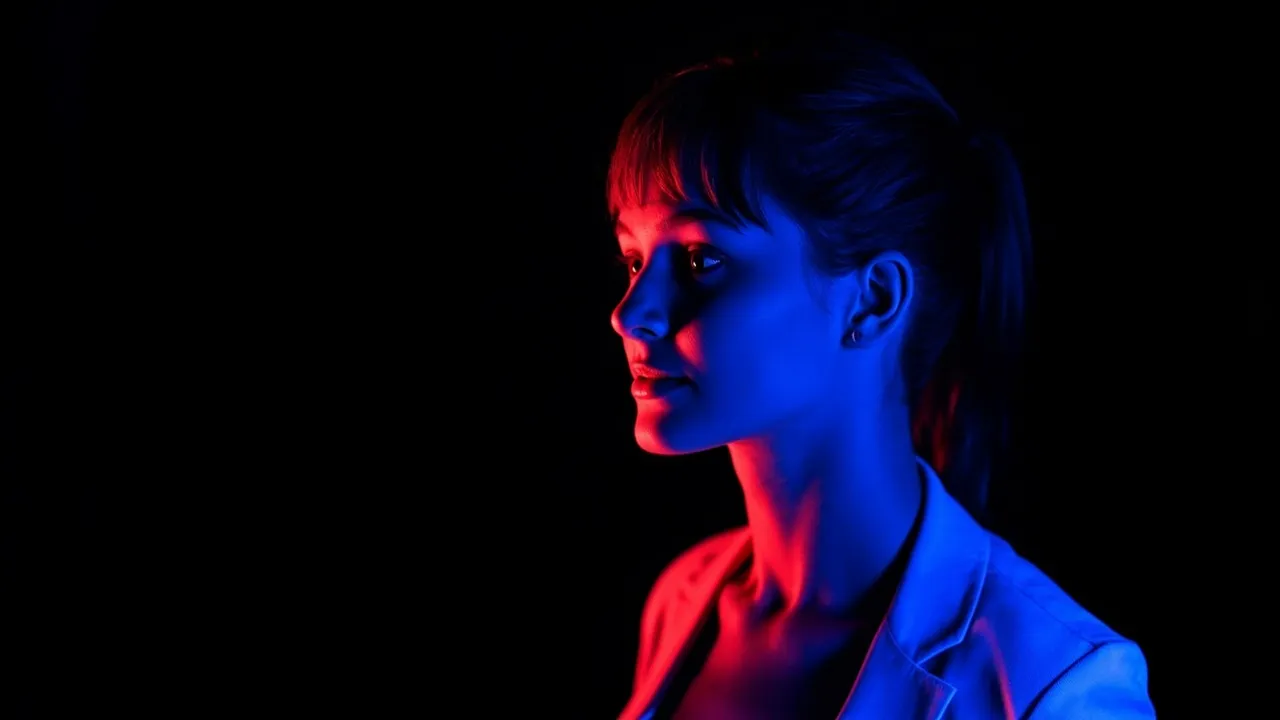
Here's the deal: red and blue light sit at completely opposite ends of the light spectrum. When both hit your eyes at once, your brain throws up its metaphorical hands and says, "I have no idea what to do with this, so I'm just going to call it purple." It's less a color and more... an optical illusion your eyeballs created to cope with chaos.
And if that wasn't enough, scientists recently discovered another "impossible" color called Olo—a blue-green so saturated that it shouldn't be visible to the human eye under normal conditions. Researchers at UC Berkeley managed to刺激 just the right cone cells to create this phantom hue, and apparently it's described as a sort of deep peacock green that feels almost otherworldly.
Why Should You Care?
Look, I know this might sound like science for science's sake. But here's why it matters: understanding how our vision works at this molecular level could actually help treat vision disorders someday. Cone dystrophies, color blindness, other conditions that affect millions of people worldwide—someday, this basic research might be the foundation for actually fixing them.
Plus, let's be honest: isn't it just delightfully mind-bending to know that the colors you see aren't quite as straightforward as you thought? Every time you admire a sunset or pick out a ripe banana, you're witnessing your brain do some seriously complex problem-solving.
So the next time someone asks your favorite color, maybe pause and wonder: what are you really looking at?