
Okay, I Need You to Read This Because It's Genuinely Unsettling
So here's a fun story (not really). Back in the 1950s, American farmers were dealing with a nightmare — a parasitic fly whose larvae would burrow into living animals and eat them from the inside out. I'm talking about open wounds getting worse, infections spreading, and in severe cases, death. The damage was so bad that in the Southwest alone, this little pest was causing between $50 million to $100 million worth of destruction every single year.
Then we did something remarkable. We wiped it out.
For decades, the New World screwworm was nothing but a cautionary tale in agricultural history books. But here's the thing about nature — it doesn't stay defeated forever. The screwworm has been creeping northward, and it has now officially reached Texas and New Mexico.
What Even Is a Screwworm?
Let me break this down because it's genuinely fascinating and absolutely disgusting at the same time.
Most maggots you might have heard about are actually pretty helpful little creatures. They love eating dead and decaying stuff — think of how flies help break down compost. Clean up crew, doing good work.
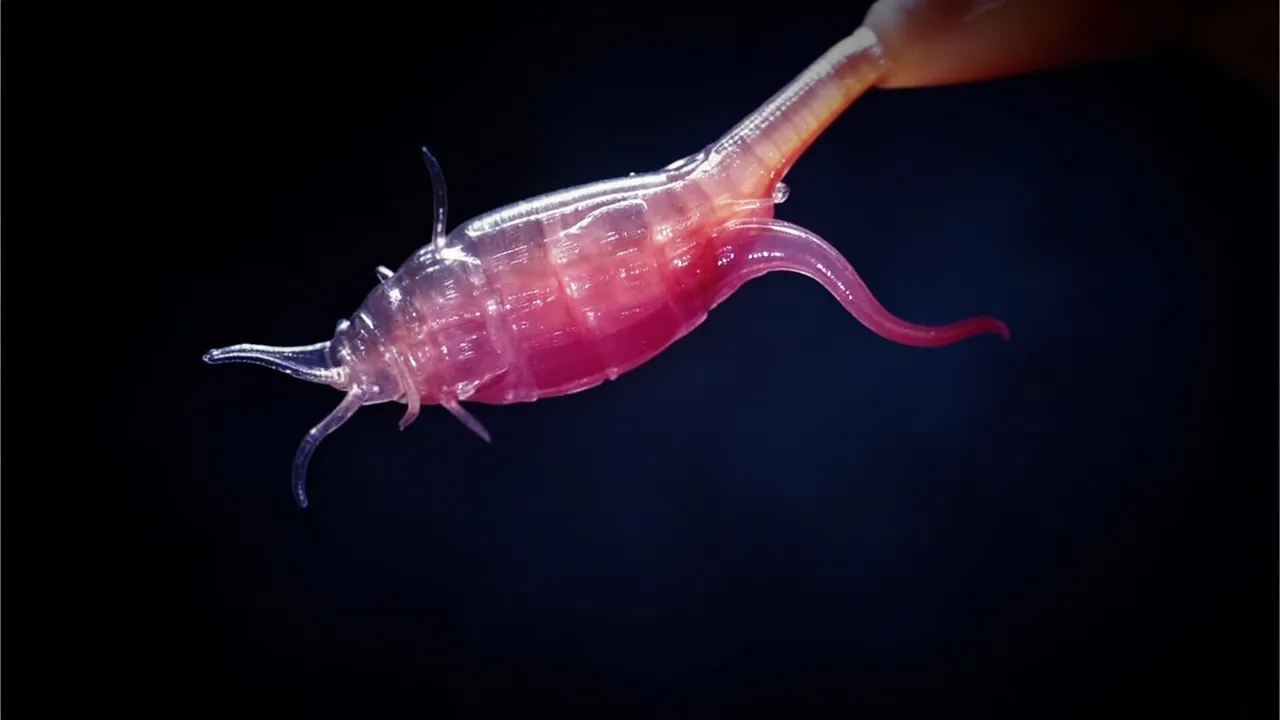
Screwworms? They're the rebels of the fly world. These larvae specifically target living tissue. Female flies lay their eggs in open wounds or natural body openings (ears, noses, the usual suspects). When those eggs hatch, the maggots burrow in and start feasting on healthy flesh. As they grow, they make the wound bigger and bigger, which then attracts more flies, which means more eggs, which means more maggots... you see where this is going.
It's a horrifying cycle that can kill livestock, wildlife, and — though it's rare — humans too.
The Cool (and Slightly Sci-Fi) Solution
Here's where it gets interesting. Scientists at UC San Diego and San Diego County's health department have built a tracking tool — kind of like a weather forecast, but for screwworm risk.
Think of it as a dashboard that brings together:
- Confirmed sightings of the parasite
- Environmental conditions that make the area "fly-friendly"
- News reports from media outlets
That last one is actually pretty clever. Traditional reporting systems can be slow — lab confirmation takes days or even weeks. But by scanning news coverage, officials can get early warnings before the official systems catch up.
"We knew in 2023 that New World screwworm was going to move northward, but I wasn't expecting it to move as fast as it has," said Mark Beatty from the County's public health department. That's not exactly comforting, is it?
The tool helps officials figure out where to expect cases next and whether the threat is imminent or something they have time to prepare for.
We've Done This Before
Here's the hopeful part: the United States actually defeated screwworm once before, and they did it with a method that sounds like it belongs in a science fiction movie.
It's called the sterile insect technique.
Here's how it works: scientists breed massive numbers of male screwworm flies, zap them with radiation to make them infertile, and then release them into the wild. When these sterile males mate with wild females, those females lay eggs that never hatch. No babies. Gradually, the population crashes.
It's essentially birth control for flies, and it worked brilliantly in the 1950s. The U.S. pushed screwworm all the way down to Panama and kept it contained for decades.
The USDA is now reviving this approach, combining sterile fly releases with pesticides and quarantine measures. So far, so good — but this thing is spreading faster than expected.
What Can You Do?
If you live in Texas, New Mexico, or anywhere the screwworm might reach next, here's what matters:
Keep a close eye on your pets and livestock. Check regularly for any wounds, even small ones. If you see flies swarming around an open sore, that's a red flag.
Get veterinary help immediately if you notice anything unusual — your pet scratching at wounds constantly, wounds that seem to be getting bigger despite treatment, or signs of infection.
And honestly? This is just another reminder that we can't afford to get complacent about agricultural and public health threats. Just because we've beaten something once doesn't mean it's gone forever.
The screwworm's return is a story about persistence, adaptation, and the ongoing dance between humans and nature. But with smart tracking tools, proven eradication techniques, and vigilant communities, I'm cautiously optimistic we can send this nightmare back into extinction — again.
Let's hope it doesn't take another 70 years.