
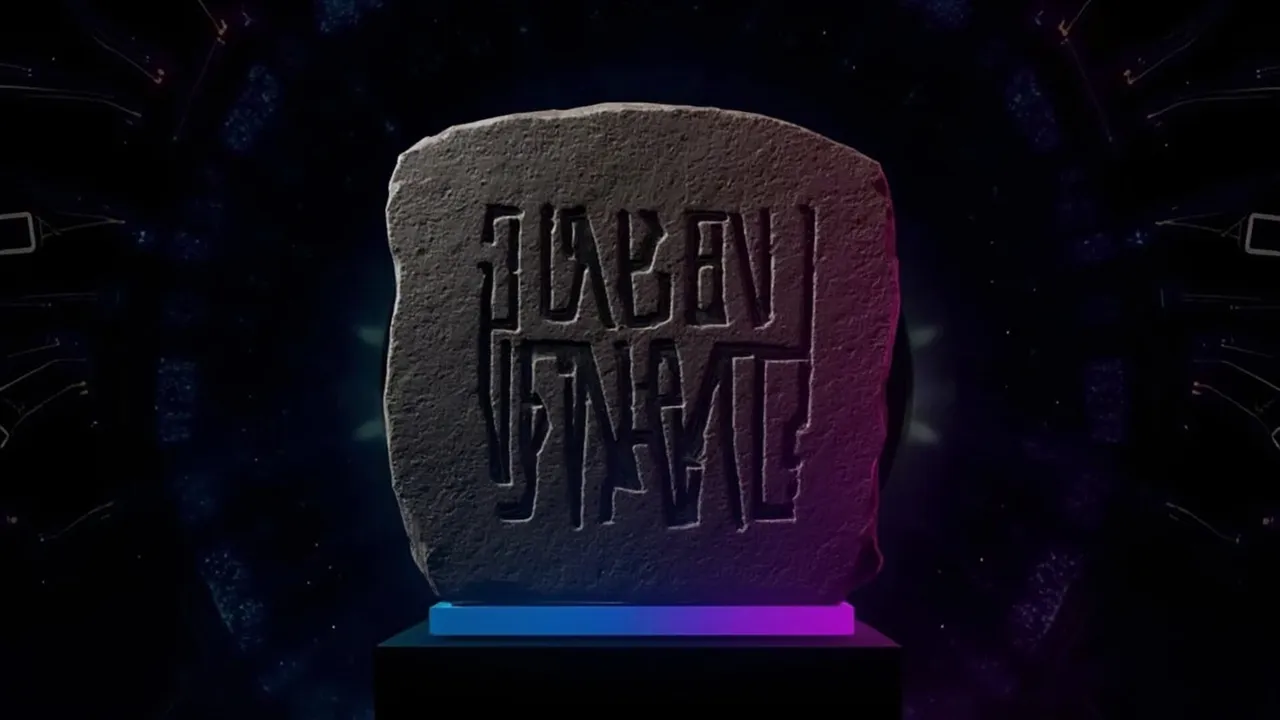
What if I told you there's an entire ancient Egyptian city that just... vanished from history?
I mean, we have records mentioning it. Ancient texts reference it. But for years, nobody could figure out where it actually was. That's the puzzle surrounding Mesn, a city that existed during Egypt's powerful New Kingdom era but somehow got lost to time.
Well, hold onto your hats, because archaeologists might have just cracked the case.
The Clue Hiding in Plain Sight
Here's the deal: teams from Egypt's Ministry of Tourism and Antiquities have been excavating a site called Tell Abu Saifi for years. It's located in the Ismailia Governorate, which is in the eastern part of the country near the Suez Canal area. They've found plenty of interesting stuff, but recently they stumbled onto something special—a sandstone lintel (that's basically the top part of a doorway frame) covered in ancient inscriptions.
And get this: one of the inscriptions mentions Pharaoh Ramesses II, one of Egypt's most famous rulers. But even more exciting? It also references repairs to a statue of Horus, Lord of the city of Mesn.
You guys. Mesn is right there in the inscription.
This is huge because Mesn was previously known only from historical documents—no physical location had ever been firmly tied to it. The fact that this lintel explicitly mentions Mesn strongly suggests that Tell Abu Saifi and this lost city are one and the same.
But Here's Where It Gets Complicated
Now, I don't want to get everyone too excited just yet. The researchers themselves are being careful about claiming victory. The head of the archaeological mission says the evidence "supports the hypothesis," but they're not ready to hang out the "Mission Accomplished" banner just yet.
You see, this identification debate actually goes back to 1887. That's over 130 years of scholars scratching their heads. Some experts in 2013 even suggested that similar inscriptions found at the site might have been moved there from another location called Tell Hebua (which is thought to be the ancient city of Tjaru). But this fresh discovery makes that explanation seem less likely—the new lintel appears to be native to the site, not transported there.
Why This Location Was So Important
Here's what really fascinates me about this story: Tell Abu Saifi wasn't just some random settlement. It sat along something called the Way of Horus, which was essentially an ancient superhighway connecting Egypt to the eastern Mediterranean. Think of it as an ancient border road that linked military outposts, trading posts, and religious sites together.
The new excavations have helped archaeologists understand the site's layout much better. They initially thought a large mudbrick wall was the temple itself, but it turns out that wall was actually an outer wall surrounding the temple—with gates and inner rooms. The actual temple had storage rooms on the north side, service rooms to the south, and the most sacred area (the sanctuary) deep inside.
And the site wasn't frozen in time, either. It evolved over centuries:
- During the Ptolemaic period (around 300-30 B.C.E.), it was primarily a temple-focused settlement
- The Romans later repurposed it as a military camp—they even left behind a statue of an army scribe
- Eventually, during even later Roman times, this holy temple became... wait for it... a lime quarry. Yes, they literally burned limestone in what was once the temple's Holy of Holies. That's kind of heartbreaking when you think about it, but also fascinating how human use of a place transforms completely over millennia.
What This Means for History
Look, even if this turns out not to be Mesn, Tell Abu Saifi is clearly significant. The team has shown that this spot maintained important religious, military, and economic functions across multiple eras—from the Pharaonic period through the Babylonian and Roman occupations. That's a pretty impressive run for one location.
But if they are right? If Tell Abu Saifi is truly the lost city of Mesn? Then archaeologists have just pulled one of history's most elusive cities out of the shadows. A place mentioned in ancient texts but unknown to modern geography suddenly becomes real again.
The team plans to keep digging (literally), hoping to uncover more connections between Tell Abu Saifi and Mesn. And honestly? I can't wait to see what they find next.
Sometimes the most exciting discoveries aren't about completely unknown civilizations—they're about rediscovering what we thought was lost forever.