
When Ancient Romans Were Just Like Us
You know what I love most about archaeology? It's those moments when you realize that people from thousands of years ago were basically dealing with the same stuff we are today. And nothing proves this better than the recent discovery in Pompeii that has me absolutely fascinated.
A Love Note That Survived a Volcano
Researchers using advanced imaging technology just revealed 79 new pieces of graffiti on a wall in Pompeii's theater district – stuff that was previously too faded for human eyes to detect. But here's the kicker: among all these ancient scribbles is a love note from a woman named Erato.
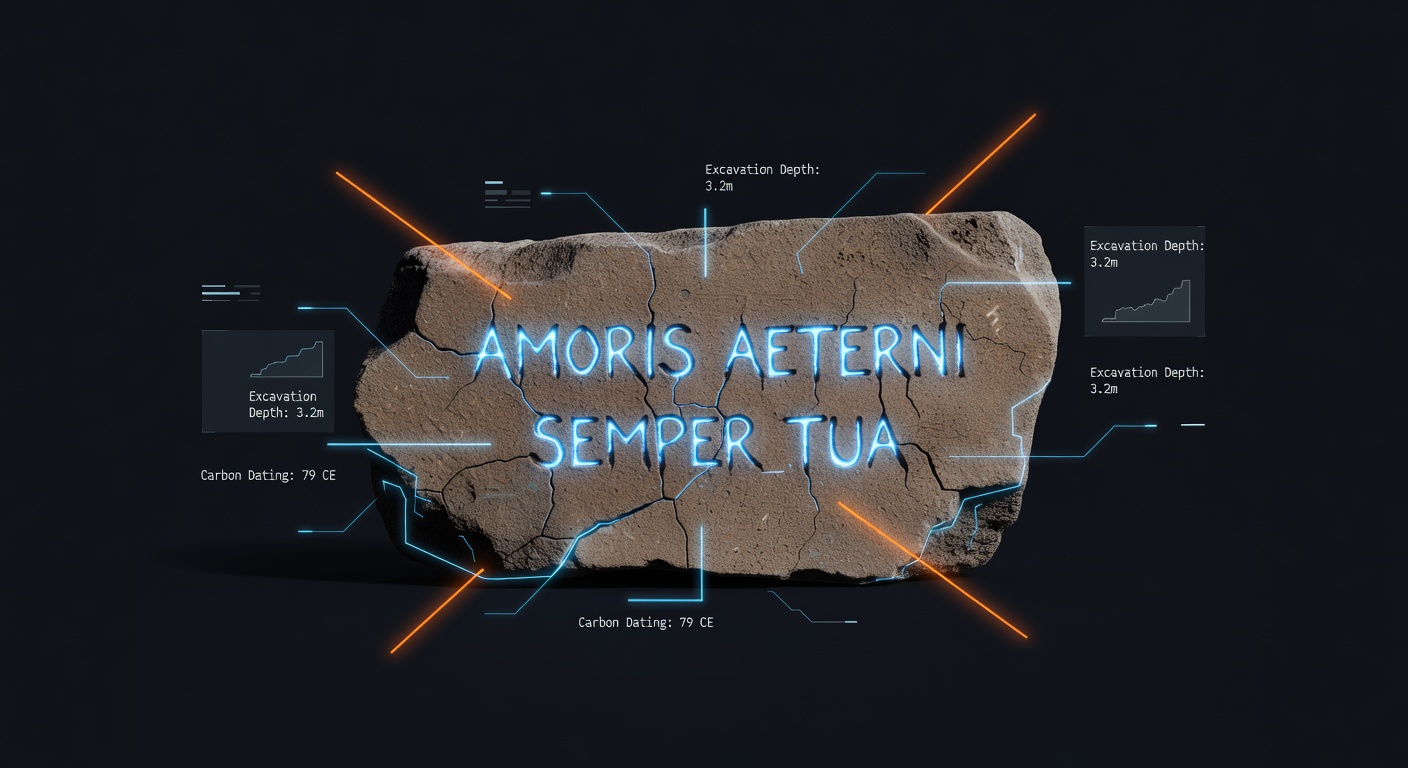
Picture this: nearly 2,000 years ago, Erato was walking through the streets of Pompeii. She came across a long corridor already covered in graffiti (sound familiar?), and decided to add her own message. She carved "Erato amat" – which means "Erato loves" – into the wall. Unfortunately, the part revealing who she loved has been lost to time, leaving us with an eternal cliffhanger.
The Ultimate Social Media Wall
What really gets me excited about this discovery is how it shows that humans have always had this urge to share their thoughts publicly. This particular wall had about 300 inscriptions total – love letters, jokes, political commentary, and random drawings. It was basically the Twitter of ancient Rome!
Think about it: before Facebook relationship statuses, before writing names in wet concrete, before "John + Mary 4Ever" carved into tree bark, there was Erato, proudly declaring her love on a public wall for everyone to see.
When Old Meets... Really Old
But wait, there's more weird archaeology news! In Germany, researchers found something that sounds like it came straight out of a time-travel movie. They discovered a medieval tunnel that was literally dug right through the middle of a 5,000-year-old Neolithic burial site near Reinstedt.
I mean, imagine the medieval tunnel diggers accidentally breaking through into an ancient grave. "Whoops, sorry about that, 5,000-year-old skeleton!" It's like the ultimate archaeological facepalm moment.
Why This Stuff Matters
These discoveries remind us that every generation leaves its mark – sometimes literally. Whether it's Erato carving her love into a wall or medieval people digging tunnels through ancient burial sites, humans have always been busy reshaping and reusing the spaces around them.
What I find most touching about Erato's message is how universal it is. Love makes us want to shout it from the rooftops (or carve it into walls). The medium changes, but the message stays the same. Today we might change our relationship status on social media, but the impulse to publicly declare "I love someone!" is timeless.
Next time you see graffiti or someone posting about their relationship online, remember Erato. She was doing the same thing 2,000 years ago, and her message outlasted an entire civilization. That's pretty powerful stuff.
Source: https://arkeofili.com/2026-subat-ayinda-one-cikan-10-arkeoloji-haberi