
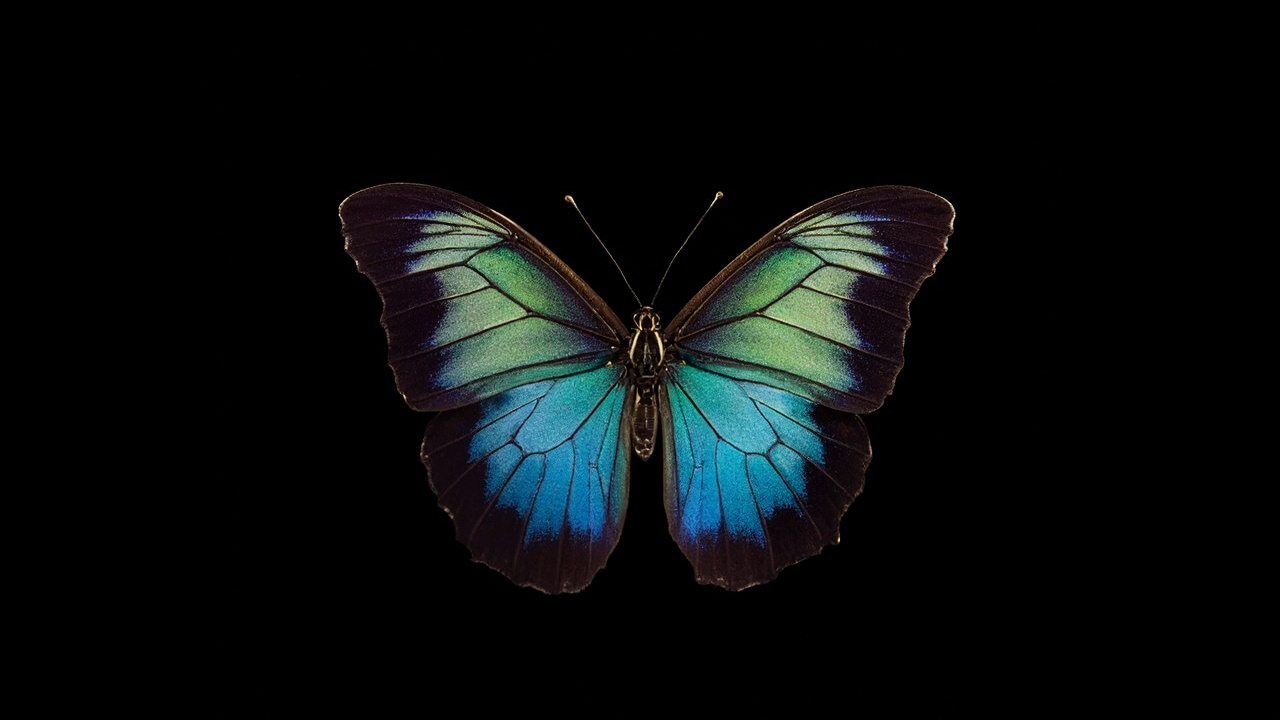
Okay, I have to share something that's been blowing my mind this week. There's a butterfly out there that basically laughs in the face of aging, and honestly? I think we could learn a thing or two from it.
The Butterfly That Lives Like It's Got All the Time in the World
Most butterflies have pretty short lives. You probably know this from seeing them flutter around your garden — they're here today, gone in a few weeks. It's just how most butterfly species work. But scientists from the University of Bristol just published findings in Nature Communications about a group of tropical butterflies that said "nah, we're doing things differently."
These butterflies belong to a group called Heliconius, and they're found hanging out in the rainforests of Central and South America. What's got researchers so excited? Some of these species are living up to 348 days — that's almost an entire year. Compare that to their close relatives, like the Dione juno butterfly, which maxes out at just two weeks. We're talking about a 25-fold difference in lifespan between species that are basically cousins!
The "Wait, They're NOT Getting Older?" Discovery
Here's where things get really interesting. The researchers didn't just measure how long these butterflies lived — they actually tested whether they showed signs of aging. And this is wild.
They did something called a grip strength test (yes, butterflies get grip strength tests now, science is amazing). They compared older Heliconius butterflies to younger ones, expecting to see the older insects struggle a bit. But you know what happened? The older butterflies performed just as well as the younger ones. No decline. No deterioration. They were basically the butterfly equivalent of that 70-year-old who looks 50 and runs marathons.
Meanwhile, a closely related species with a shorter lifespan showed clear age-related decline. You could literally see the difference in how their bodies held up over time.
But WHY Are They Living So Long?
Scientists have known for a while that these butterflies live unusually long, but they weren't sure why. The leading theory? These are some of the only butterflies that feed on pollen as adults. Most butterflies just sip nectar, but Heliconius butterflies actually eat pollen too. And pollen is packed with nutrients like amino acids and proteins that most nectar-only butterflies miss out on.
So researchers tested this idea. They fed some Heliconius butterflies a diet with pollen and some without, comparing them to their shorter-lived relatives. The results? The pollen-eating butterflies maintained their body mass and muscle performance for much longer. Makes sense, right?
But here's the plot twist: even when researchers removed pollen from the Heliconius diet, they still lived longer than their relatives. The longevity advantage didn't disappear. This means it's not just about nutrition — these butterflies have actually evolved biological adaptations that slow down aging itself.
Why Should We Care?
Now, I know what you're thinking. "That's cool for butterflies, but what does this have to do with me?"
Great question! Here's the thing: studying long-lived species helps us understand the fundamental biology of aging. The research team pointed out something fascinating — insects show extreme variation in how long they live. Mayflies might only survive a few days as adults, while some ants and termites can live for decades. That's about a 5,000-fold difference! In mammals, the range is only about 100-fold.
This means insects offer us a kind of "natural experiment" in longevity. By comparing species that live very different lifespans, researchers can figure out what biological mechanisms actually contribute to aging — and potentially, how to slow it down.
The lead author of the study, Dr. Jessica Foley, put it this way: Heliconius butterflies aren't just living longer, they've evolved slower aging itself. That's an important distinction. It's not that they're somehow avoiding death — it's that the entire process of deterioration has been stretched out.
The Takeaway
Look, I'm not saying we're going to be injecting butterfly extract into our faces anytime soon (please don't). But here's what I find genuinely hopeful about this research:
Nature has already figured out how to slow aging in certain species. These butterflies didn't invent some magical anti-aging cream — they evolved specific biological adaptations over millions of years. If we can understand how they did it, we might find clues that apply to other animals too, including humans.
Plus, I just love the idea that something as fragile and delicate as a butterfly could hold secrets to living longer and healthier. It reminds me that evolution is incredibly creative, and sometimes the answers to big questions are hiding in places we'd never expect.
So next time you see a butterfly fluttering by, take a moment to appreciate it. That little creature might just be one of nature's most remarkable examples of defying the aging clock.