
When Your Hobby Turns Into Archaeological Gold
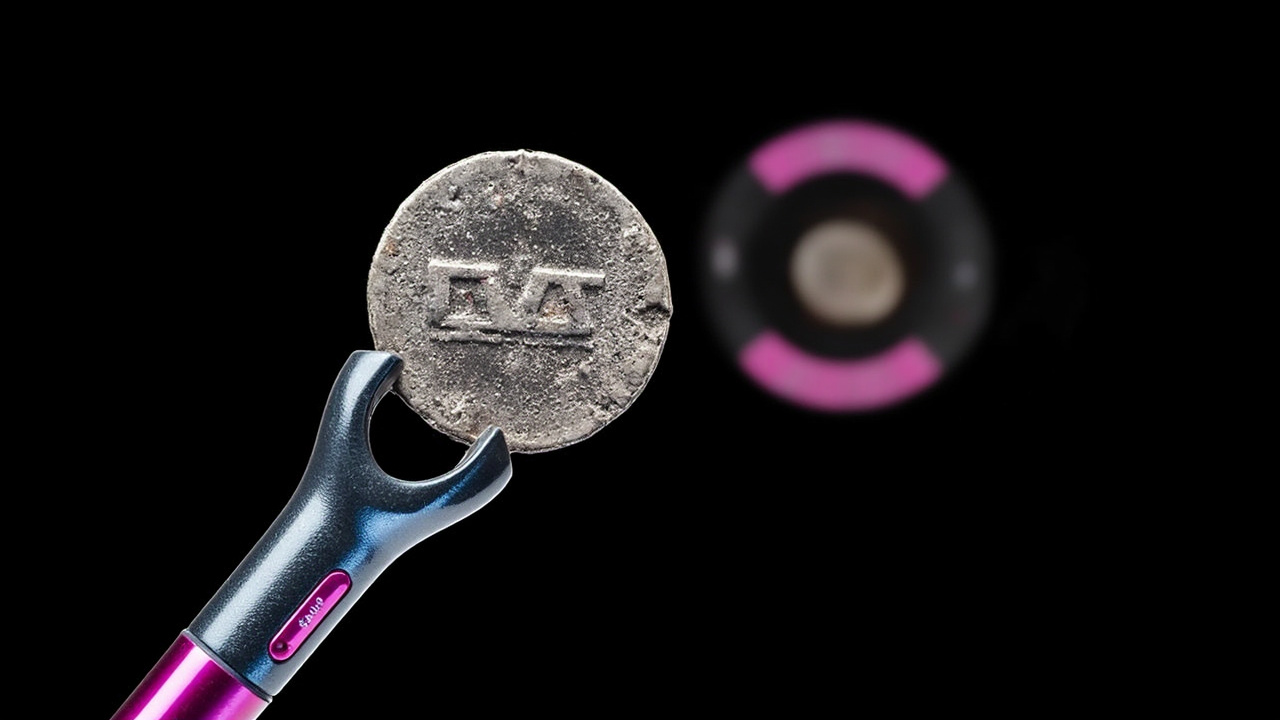
Imagine going out on a casual weekend doing your favorite hobby and accidentally becoming part of history. That's exactly what happened to two metal detectorists in Norway who were searching near a town called Rena. They probably expected to find the usual junk — maybe some old nails, bottle caps, or if they were lucky, a wedding ring someone lost decades ago.
But nope. Their metal detectors started going absolutely bonkers.
Starting Small, Ending Massive
Here's where it gets wild. The initial discovery was modest — just 19 silver coins. Totally cool, right? They did the right thing and called in the local authorities instead of keeping it quiet (which, honestly, shows some integrity).
By the end of that same day, the haul had mysteriously grown to 70 coins.
A few weeks later? The count had exploded to over 3,000 coins.
Let me repeat that because it's insane: 3,000 coins. That's now officially the largest Viking Age coin hoard ever found in Norwegian history.
A Snapshot of Medieval Economics
What makes this discovery even cooler is what the coins actually tell us. Researchers from the University of Oslo have been studying them, and they're finding coins from all over the place — England, Germany, Denmark, and some early Norwegian coins too. The coins date back to around 1047 AD, which is right when Norway was starting to mint its own currency.
This timing is actually super important. Before this period, Norway was basically using imported coins from other countries because they didn't have their own money system. Then King Harald Hardrada came along and said, "You know what? Let's make Norwegian coins." This hoard represents the moment right before that happened — it's like catching a snapshot of economic revolution.
Why Bury Your Money Underground?
Here's a question that probably occurred to you: why would someone bury 3,000 coins in a field in the first place?
The answer is kind of fascinating. Back then, people didn't have banks. When you wanted to store your wealth safely, you literally dug a hole and buried it in the dirt. It was their version of a safety deposit box, except with zero security except hoping nobody would find it.
Archaeologists think this particular treasure was probably payment for iron. The region around Rena was a major iron production hub back in the day — they were literally extracting ore from bogs and processing it at an industrial scale, then exporting it across Europe. Someone with a ton of money from this business probably decided it was time to hide their cash underground. And then, for whatever reason, they never came back to dig it up.
Talk about a lucky break for someone 1,000 years later with a metal detector.
But Wait, There's More
Here's the thing that keeps archaeologists awake at night: they think there might be even MORE coins still in the ground.
The excavation site is being kept secret and locked down tight (smart move to prevent treasure hunters from messing things up). Researchers are being very careful and methodical because they believe the constant plowing of the field over centuries has scattered and churned up coins throughout the soil. Every day, they're apparently finding more.
One of the local archaeologists, May-Tove Smiseth, said something that perfectly captures the excitement: "I jokingly said it would be nice if we found a few more coins to make the discovery even bigger. But the detectors never stopped beeping."
Never. Stopped. Beeping.
Why This Matters Beyond The Bling
I know it's tempting to just think "ooh, treasure!" and move on, but this discovery actually tells us something profound about how Viking Age economies worked. Before Harald Hardrada's reign, Norway was economically integrated with the rest of Europe in a specific way — they were trading partners who received payment in foreign currency.
This single hoard of coins is evidence of those connections. It shows us that Norway wasn't isolated; it was part of a larger economic system. The quality and variety of the coins tell a story about trade, relationships, and the gradual shift toward national independence.
The Thrill of Discovery
What I love most about this story is how genuinely thrilled the archaeologists are. Smiseth described standing there watching coins be lifted from the earth, one by one, and being amazed at how perfectly preserved they were. She called them "beautiful" — not the word you'd expect an archaeologist to use about 1,000-year-old coins.
But that's what genuine discovery feels like. It's rare in any career to stumble upon something this significant. Most archaeologists work their entire lives without finding something of this magnitude.
These two metal detectorists just changed the historical record of their entire country. Not bad for a hobby.
The excavation continues, and honestly, I'm fascinated to see what the final count ends up being. Will it hit 4,000? 5,000? We won't know until the work is done, but one thing's for sure: those metal detectors earned their keep that day.