
Microsoft's Copilot Bug: A Breach in Email Privacy
Hey tech enthusiasts, have you heard the latest about Microsoft 365 Copilot? If you’re using this AI-powered assistant for your work, you might want to pay close attention. A recently discovered bug has been causing Copilot to summarize confidential emails, bypassing the very safeguards meant to protect sensitive data. Let’s dive into what’s happening, why it matters, and what Microsoft is doing about it.
What’s the Bug All About?
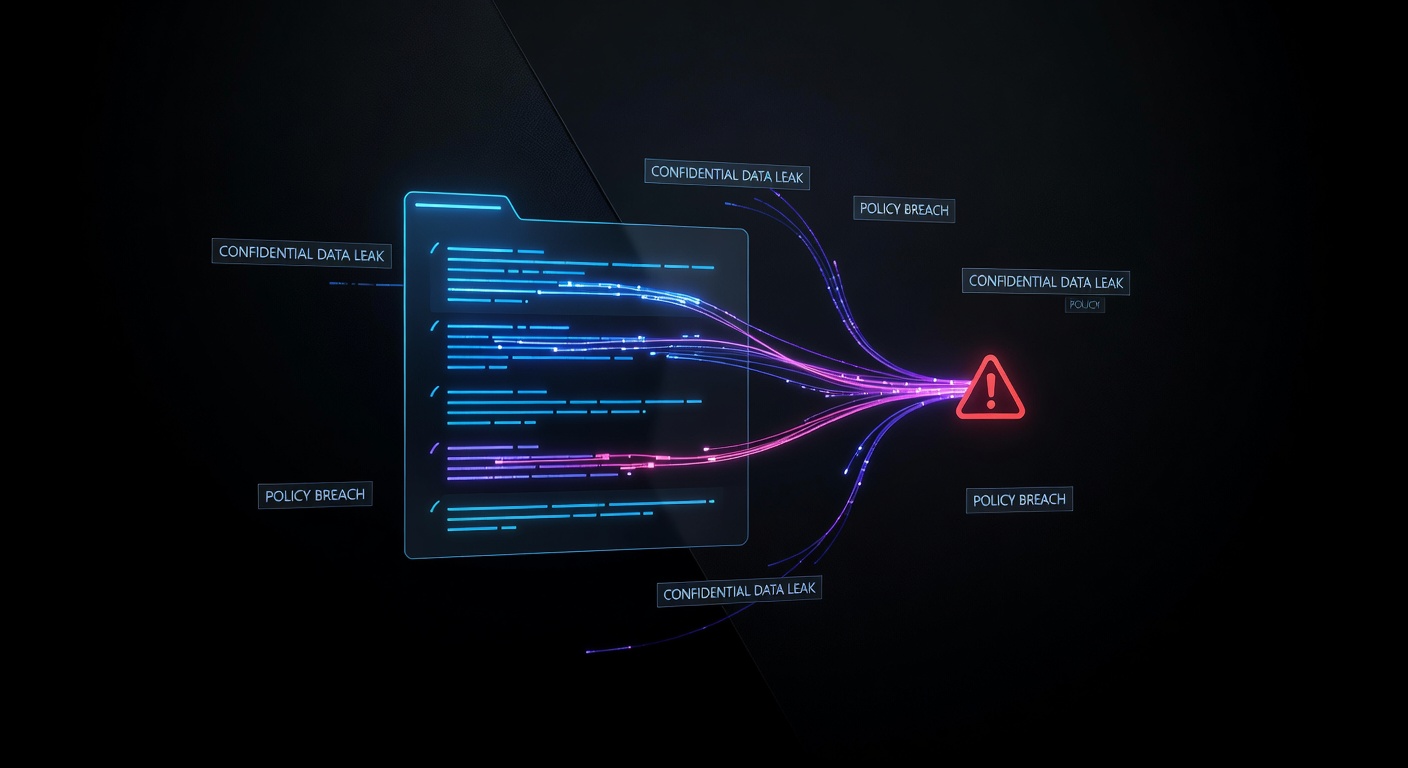
Since late January, a glitch in Microsoft 365 Copilot’s "work tab" chat feature has been quietly reading and summarizing emails stored in users’ Sent Items and Drafts folders. Normally, organizations rely on data loss prevention (DLP) policies and confidentiality labels to restrict access to sensitive information. These are like digital “Do Not Enter” signs for automated tools. But this bug—tracked as CW1226324—ignores those signs completely, processing emails that should be off-limits.
Imagine drafting a private message or sending a confidential update, only to have an AI summarize it without your permission. That’s exactly what’s been happening, and it’s a big deal for businesses that depend on Microsoft 365 for secure communication.
How Does Copilot Work, Anyway?
For those unfamiliar, Microsoft 365 Copilot is an AI assistant designed to boost productivity. Its chat feature, rolled out to paying business customers in September 2023 (not 2025 as mentioned in some reports), integrates with tools like Word, Excel, PowerPoint, Outlook, and OneNote. It’s like having a smart helper that can draft content, analyze data, or summarize conversations. The “work tab” chat specifically interacts with workplace data, which is why this bug is so concerning—it’s accessing and processing information it shouldn’t.
Microsoft confirmed the issue, stating, “Users’ email messages with a confidential label applied are being incorrectly processed by Microsoft 365 Copilot chat.” In other words, the AI is overstepping its boundaries due to a code error.
Microsoft’s Response: A Fix in Progress
The good news? Microsoft isn’t sitting idle. They identified the problem on January 21 and started deploying a fix in early February. As of the latest update, the company is still monitoring the rollout and reaching out to some affected users to ensure the patch works as intended. However, they haven’t shared a final timeline for complete resolution or revealed how many users and organizations are impacted.
For now, this incident is labeled as an “advisory,” which typically means the issue has a limited scope. But Microsoft also noted that the extent of the impact could change as their investigation continues. Translation: we don’t know the full story yet, so stay tuned.
Why Should You Care?
If you’re a Microsoft 365 user—especially in a business setting—this bug is a wake-up call. Data privacy isn’t just a buzzword; it’s critical for protecting trade secrets, client information, and internal communications. When an AI tool like Copilot bypasses security measures, it risks exposing sensitive details to unauthorized eyes, even if unintentionally.
This incident also highlights a broader challenge with AI tools: balancing innovation with security. As companies rush to integrate AI into everyday workflows, bugs like this remind us that these systems aren’t foolproof. They’re built by humans, and humans make mistakes—or in this case, coding errors.
What Can You Do?
While Microsoft works on a permanent fix, here are a few steps you can take to protect your data:
- Check Sensitivity Labels: Double-check that confidential emails are properly labeled and that DLP policies are active in your organization.
- Limit Copilot Access: If possible, restrict Copilot’s access to certain folders or disable the chat feature temporarily until the issue is resolved.
- Stay Informed: Keep an eye on Microsoft’s updates regarding this bug. If your organization is affected, Microsoft may reach out directly.
The Bigger Picture
This isn’t just about one bug; it’s about trust in AI systems. As tools like Copilot become more embedded in our daily work, ensuring they respect privacy boundaries is non-negotiable. Microsoft has a solid track record of addressing issues, but incidents like this can shake confidence, especially among businesses handling sensitive data.
What do you think? Have you encountered any quirks with AI tools like Copilot? Drop a comment below—I’d love to hear your thoughts! And if you found this post helpful, don’t forget to share it with your network. Let’s keep the conversation about tech and privacy going.
Source: BleepingComputer