
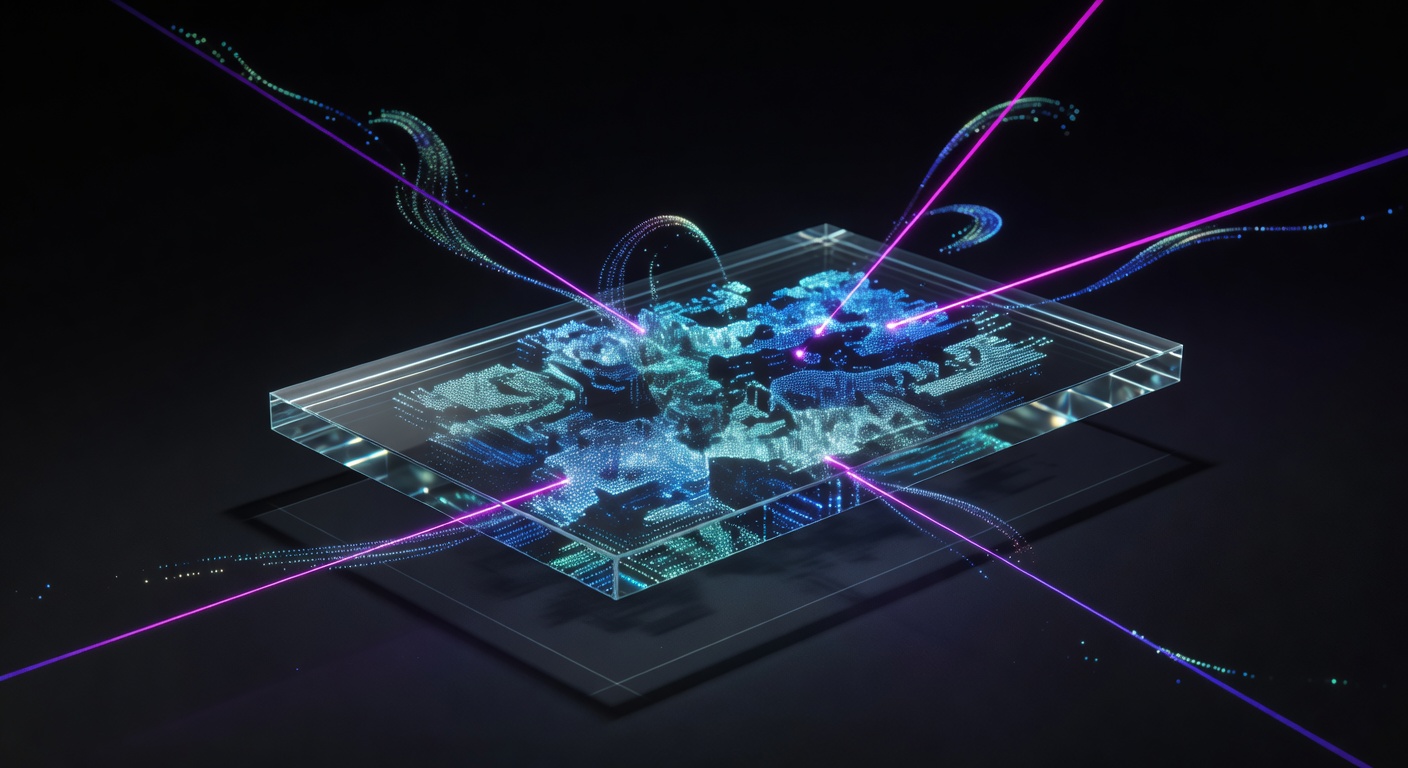
Microsoft's Glass Revolution: A 10,000-Year Data Storage Breakthrough
Imagine a world where your digital memories, critical research, or cultural treasures are safely stored for millennia, unaffected by time, natural disasters, or technological obsolescence. Microsoft is turning this vision into reality with a cutting-edge data storage medium made of glass, capable of preserving data for an astonishing 10,000 years. This isn’t science fiction—it’s a real innovation that could redefine how we safeguard humanity’s digital legacy.
Why Do We Need Long-Term Data Storage?
In today’s digital age, we generate an unprecedented amount of data every day—from personal photos and videos to scientific discoveries and historical records. However, most current storage solutions, like hard drives and magnetic tapes, degrade over time. Hard drives might last a decade if you’re lucky, and even archival tapes need careful maintenance to avoid data loss. As our reliance on digital information grows, so does the urgent need for a storage method that can stand the test of time.
This is where Microsoft’s glass storage technology, part of their Project Silica initiative, comes in. It’s not just about storing data longer; it’s about ensuring that future generations can access the knowledge and stories we leave behind, without worrying about outdated formats or decaying hardware.
How Does Glass Storage Work?
At the heart of this technology is a small, durable piece of glass—think of it as a futuristic floppy disk, but far more resilient. Microsoft uses femtosecond lasers, which operate at incredibly high speeds (a femtosecond is one quadrillionth of a second), to etch data into the glass at a microscopic level. These lasers create tiny, three-dimensional structures within the glass that represent the data in a way that’s almost indestructible.
Unlike traditional storage, which relies on magnetic or electronic signals, this glass medium stores information physically. The data is read using advanced imaging techniques that interpret the laser-etched patterns. What’s more, glass is inherently stable—it doesn’t corrode, isn’t affected by electromagnetic interference, and can withstand extreme conditions like high temperatures or flooding. Microsoft claims this medium could endure for 10,000 years, making it a perfect candidate for archiving everything from historical documents to space exploration data.
Why Glass? The Benefits of Project Silica
So, why choose glass over other materials? For starters, glass is incredibly tough. It’s resistant to scratches, chemical degradation, and environmental hazards that would destroy traditional storage media. A glass disc could theoretically survive a disaster that wipes out servers or data centers, preserving vital information for future recovery.
Additionally, this technology is energy-efficient for long-term storage. Unlike cloud servers that require constant power to maintain data, once information is etched into glass, it needs no ongoing maintenance. This makes it an eco-friendly option for archiving data that doesn’t need frequent access, such as historical records or backups of critical systems.
Microsoft has already demonstrated the potential of Project Silica by storing iconic content in glass, including a copy of the 1978 Superman movie. This proof of concept shows that even complex, large-scale data can be preserved in a format that could outlast civilizations.
Challenges and Future Potential
Of course, no technology is without its hurdles. Right now, writing data to glass is a slow and complex process compared to modern storage methods. Reading the data also requires specialized equipment, which isn’t widely available yet. This means Project Silica isn’t ready to replace your USB drive or cloud storage anytime soon—it’s more suited for long-term archival purposes rather than everyday use.
However, the potential is enormous. Imagine libraries of the future storing entire collections in glass, or space missions carrying humanity’s knowledge in a format that could survive the harsh conditions of interstellar travel. As the technology matures, costs could come down, and access could become easier, opening up new possibilities for data preservation on a global scale.
A Step Toward Digital Immortality
Microsoft’s glass storage isn’t just a technological marvel; it’s a reminder of our responsibility to preserve the past for the future. From ancient clay tablets to fragile floppy disks, humanity has always sought ways to record and protect its story. Project Silica could be the next chapter in that journey, offering a near-eternal solution to store what matters most.
As this technology evolves, it raises fascinating questions: What data would you choose to save for 10,000 years? What stories, discoveries, or creations are worth passing on to distant descendants? While we ponder these big ideas, Microsoft is laying the foundation for a future where no piece of history is ever truly lost.
Source: Ars Technica