
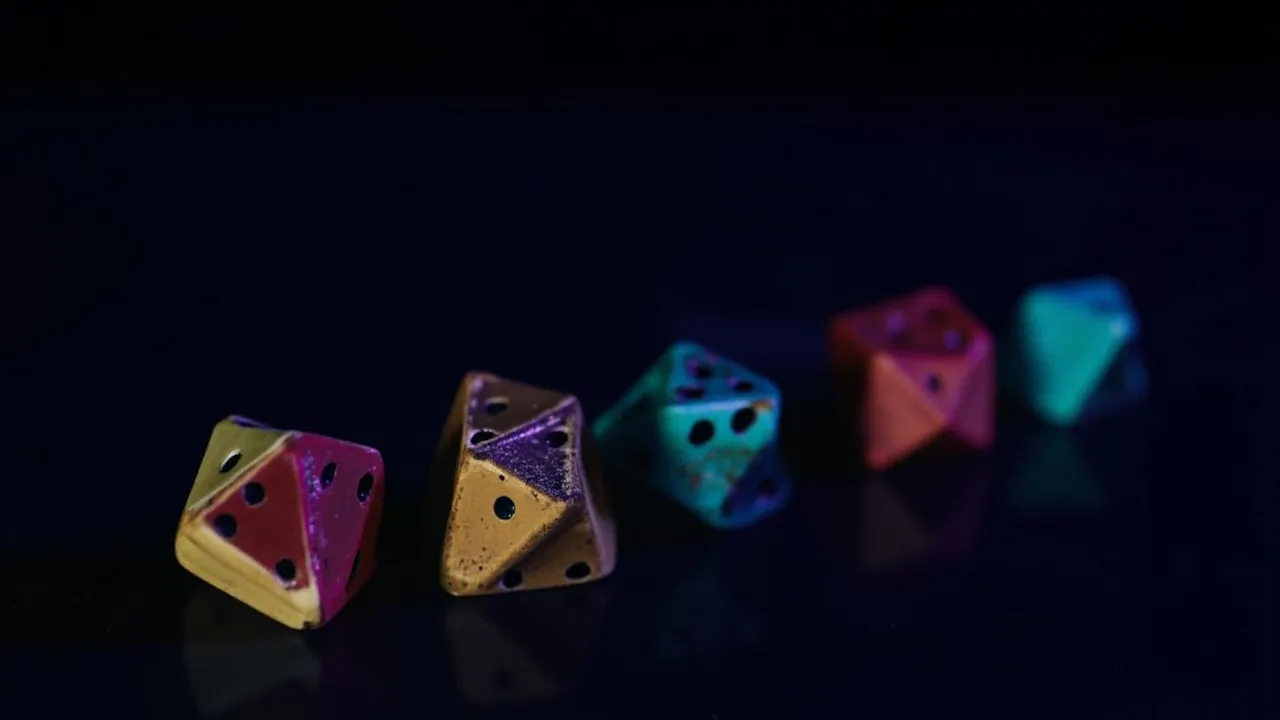
So here's a fun question for you: What do you do with a thousand dice?
Play a really, really long board game? Start a gambling empire? Build the world's most elaborate dice sculpture?
Now imagine those dice are made of bone, roughly 2,000 years old, and you found them all clustered together near an ancient Roman building in France. Still think you know what was going on?
Yeah, me neither. And apparently, neither do the archaeologists who made this wild discovery.
Let me set the scene for you. There's this tiny village in northeastern France called Grand. Today, it's so quiet you probably wouldn't give it a second glance if you drove through. But here's the thing — about two millennia ago, Grand was absolutely rocking. We're talking a 17,000-seat amphitheater (that's bigger than some NFL stadiums, people), an enormous basilica with painted walls and gorgeous mosaic floors, and fancy bath systems connected to a healing temple dedicated to a god called Apollo Grannus. This place was basically the Roman equivalent of a wellness resort meets entertainment hub.
Pretty impressive for what is now just... a peaceful little village, right?
Anyway, during recent excavations near that massive basilica, researchers started uncovering dice. And then more dice. And then even more dice. Before they knew it, they had found over a thousand bone dice all clustered together near the building's foundation.
Now, finding a few dice near an ancient Roman settlement isn't exactly shocking. Romans loved their games just as much as we love ours. But finding over a thousand of them bunched up in one spot? That's the kind of mystery that makes archaeologists lose sleep.
Here's what's particularly interesting about these little bones (literally — they made dice from bone back then): every single one follows the same numbering system we use today. You know how on a standard die, the opposite sides always add up to seven? One and six, two and five, three and four? Turns out the Romans were already doing that, even though this numbering trick was actually invented by Egyptian dice-makers over a thousand years earlier.
Some of the dice even have tiny holes filled with wax and charcoal to make those little pips — the dots — stand out better against the light-colored bone. That's some serious attention to detail for tiny game pieces, wouldn't you say?
So what was going on here? Was Grand running some kind of ancient dice factory? Were they used in rituals at the basilica? Maybe everyone in town was just incredibly competitive and loved gambling? Or — and this is my personal favorite theory — did we accidentally discover the world's first Roman casino?
Okay, maybe not a casino exactly. The excavation also uncovered totally normal stuff like pottery fragments, coins, needles, and shoe nails — you know, the everyday debris that suggests regular people were living and working around this fancy building. So this wasn't some sacred dice-only zone.
The truth is, nobody knows for sure. And honestly? I think that's what makes archaeology so endlessly fascinating. We can marvel at the architecture, we can date the artifacts, we can analyze the materials. But sometimes, the past just throws us a curveball and says, "Figure this one out."
Until someone does, I'll be over here imagining what epic Roman board game sessions must have looked like with a thousand dice on hand. My bet? Some ancient Gaulish version of Yahtzee, obviously.
What do you think was happening with all those dice? Drop your theories below — I'm genuinely curious!