
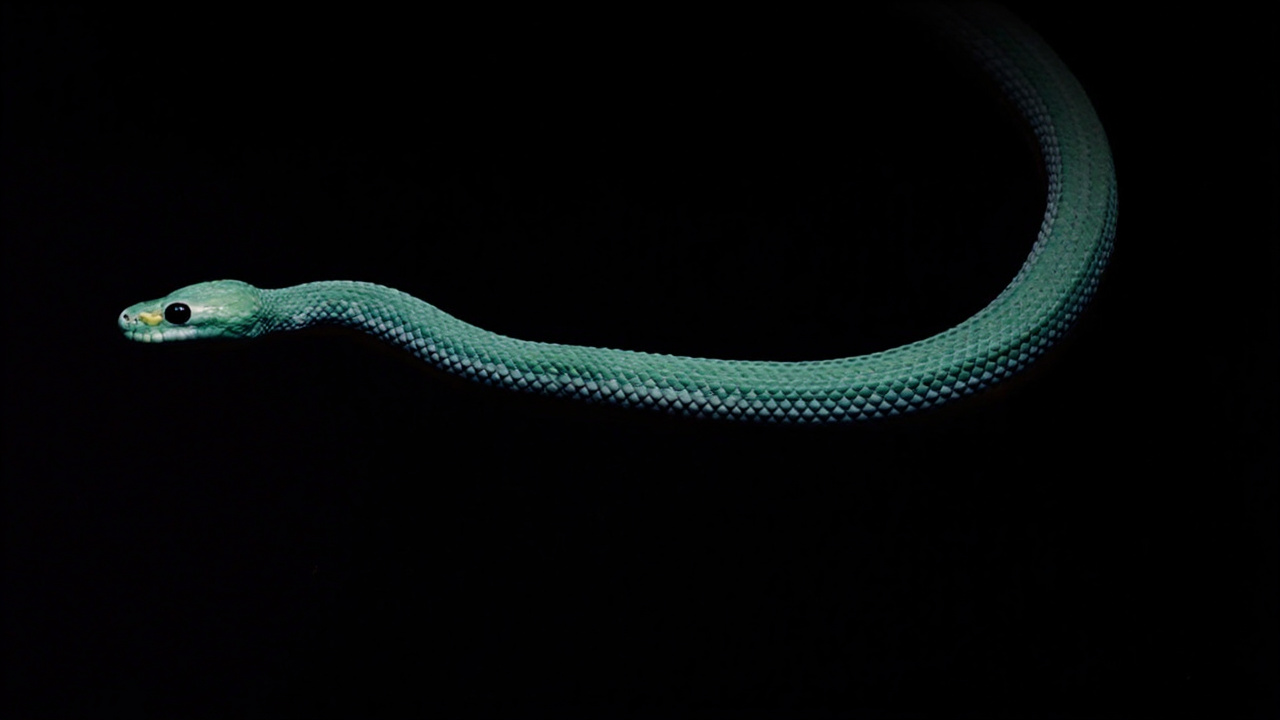
When One Snake Turns Out to Be Five
Imagine if tomorrow, scientists announced that a species you've known about your whole life was actually five different species all along. Sounds wild, right? Well, that's exactly what just happened with the Himalayan pit viper—a venomous snake that's been living in the mountains of Asia since, well, forever.
For over 160 years, researchers thought the Himalayan pit viper was just one species. But a new international team of scientists decided to take a closer look, and boy, did they find something interesting. Turns out, what everyone called "the" Himalayan pit viper is actually a whole family of five distinct species, including three that nobody had properly identified before.
The Detective Work Was Impressive
Here's where it gets cool. The scientists didn't just use one tool to figure this out. They combined modern DNA analysis with old-school detective work—examining bones, physical features, and where the snakes actually live in their natural habitats. It's like being a forensic scientist, but for snakes.
What really blew my mind is how much of the breakthrough came from dusty museum specimens. We're talking about snake specimens that explorers collected way back in the 1800s and early 1900s. These preserved specimens had been sitting in museums for over a hundred years, just waiting for scientists to develop the technology to unlock their secrets. Talk about patience paying off.
Why Your Local Museum is Actually Kind of Amazing
This discovery really highlights something I think we often overlook: natural history museums aren't just places to look at old stuff. They're active, working laboratories. Those specimens that seem forgotten? They're actually sitting there like biological time capsules, waiting for new technology to reveal what they're hiding.
"Museum specimens are not just records of the past. They are active research tools," said one of the researchers involved. And honestly, that shifted how I think about museums. Every preserved creature is basically a data point from the past that helps us understand the present—and maybe even the future.
Why Should You Actually Care?
You might be thinking, "Okay, cool, but... snake taxonomy?" Here's why it matters more than you'd think.
These pit vipers aren't just random mountain dwellers. They're predators that help control rodent populations, they're indicators of ecosystem health, and they're medically important because their venom has been studied for potential medical applications. But we can't protect something properly if we don't even know what "something" actually is. By discovering these five species exist instead of one, scientists can now study their specific needs, conservation challenges, and ecological roles separately.
The Mountains Still Have Secrets
What really fascinates me about this story is what it says about the world we live in. We have Google Maps, satellite imagery, and drones, yet the remote mountains of the Himalayas are still full of biological surprises. The researchers specifically noted that Pakistan and Nepal's high mountains remain "full of biological surprises"—and honestly, how cool is that?
These aren't places that are completely inaccessible anymore, but they're still tough to study regularly. That means right now, today, there are probably species living in those mountains that we still don't know about. Maybe it's another "one species that's actually five." Maybe it's something we've never seen before. The mystery is still out there.
What Comes Next?
Here's the thing that keeps researchers up at night: each of these newly identified species seems to live in pretty small, specific areas within these fragile mountain environments. That's great for understanding how species adapt to specific regions, but it also means they might be vulnerable to environmental changes.
The team is clear that this discovery is just the beginning. They want to inspire more research into this "ecologically and medically relevant group" of snakes. In other words, they're basically saying: "Hey, scientists of the world, there's so much more to learn about these guys."
The Bigger Picture
What I love most about this story is that it's a great reminder of how much we don't know about our own planet. Scientists used cutting-edge technology and museum specimens to solve a 160-year-old mystery, and the reward is the knowledge that there's probably way more mystery still waiting to be solved.
It's humbling, honestly. In an age where we think we've mapped and cataloged everything, nature's still keeping secrets. And all we need sometimes is the right tools, some old specimens, and the curiosity to ask better questions.
So next time you visit a natural history museum and see those glass cases with preserved creatures, remember: they're not just pretty displays. They're potentially the keys to understanding our world in ways we haven't even thought of yet.
Pretty amazing for a snake discovery, right?