
Okay, This Is Wild
I don't know about you, but when I hear about scientists experimenting with magnetic bacteria and worms, my first thought is: "We've gone too far." My second thought is: "Wait, what did they actually find?"
Let me walk you through this because it's genuinely fascinating — and honestly a little bit sci-fi.
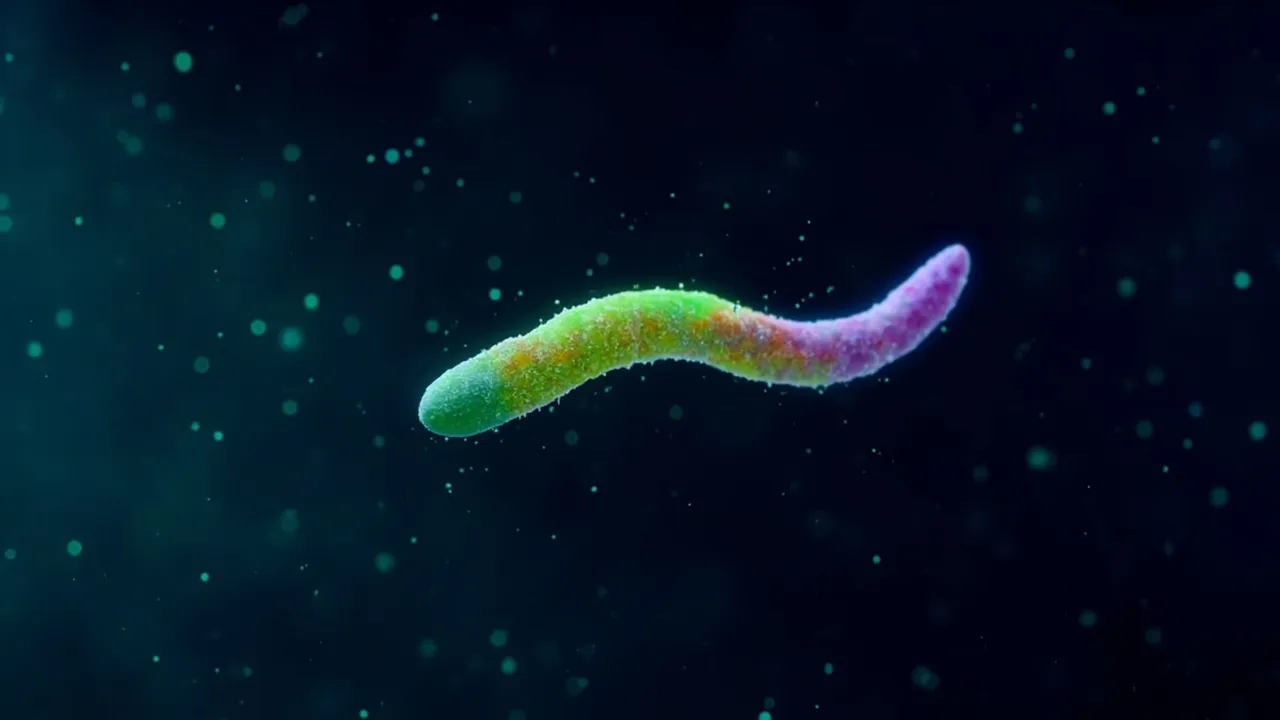
A team at the Hefei Institutes of Physical Science in China has been playing around with a specific type of bacteria called Magnetospirillum magneticum AMB-1. The name is a mouthful, but here's the important part: these little guys are magnetic. Like, actually magnetic. They contain tiny structures called magnetosomes that act like microscopic compasses, helping them navigate through magnetic fields.
Now, researchers have been studying these bacteria for a while, mostly looking at potential uses like drug delivery and cancer treatment. But this new study, published in Free Radical Biology and Medicine, takes things in a completely different direction.
They wanted to know: could these magnetic microbes actually help organisms live longer?
The Experiment
The researchers tested AMB-1 on Caenorhabditis elegans — that's the fancy scientific name for a tiny transparent worm that scientists absolutely love studying. Why worms? Because they've got relatively simple biology, short lifespans, and surprisingly share many genetic similarities with us humans. When you want to test something that might affect aging, worms are a great first step.
The results? The treated worms lived 43.39% longer on average.
Let that sink in for a second. That's not a tiny improvement — that's nearly half as much extra life. And it wasn't just about living longer; the worms also maintained better neurological function and kept their intestinal integrity as they aged. So they weren't just surviving longer — they were staying healthier.
The Real Question: How?
Here's where it gets interesting. The team didn't just want to know that AMB-1 worked; they wanted to understand why.
They tested different versions of the bacteria. Some could produce magnetosomes (the magnetic parts), and some couldn't. The ones that could? Much more effective at extending lifespan. The ones that couldn't? Pretty much useless for longevity.
This suggests the magnetic structures themselves are doing something important.
So what exactly is happening inside those worm bodies? The researchers found that AMB-1 was reducing iron buildup and lowering lipid peroxidation — both of which are markers of something called ferroptosis.
Ferroptosis: The New Kid on the Block
You might not have heard of ferroptosis before, but it's becoming a big deal in aging research. Think of it as a specific type of cell death that's triggered by iron accumulation and oxidative damage to fats in your cells. It's been linked to all sorts of age-related problems, from neurodegenerative diseases to general tissue decline.
What AMB-1 seems to do is calm this process down. By reducing the iron overload and oxidative stress, the bacteria help keep cells alive and functioning longer.
The researchers identified several genes involved in this process, including ftn-1, bli-3, and ads-1. These aren't just random letters — they're key players in the ferroptosis pathway that seems to drive much of the aging damage.
So... What Does This Mean for Us?
Here's the honest answer: it's way too early to get too excited about drinking magnetic bacteria smoothies.
This research was done in worms. Worms are great for initial discoveries, but what works in a worm doesn't always work — or work the same way — in humans. We need a lot more research to understand if this approach could actually benefit people.
That said, there's something genuinely exciting here. The researchers are calling this "a new microbial strategy for anti-aging intervention" and believe it could provide "foundational evidence" for broader use of magnetic bacteria in geriatric medicine.
What I find most interesting is the approach itself. Instead of developing a synthetic drug, they're exploring how living microorganisms with special properties might help us fight aging. It's a reminder that nature often has solutions we haven't even thought of yet.
My Take
As someone who spends way too much time reading about longevity research, I find this study genuinely refreshing. So many anti-aging headlines turn out to be about some compound that extends lifespan in mice by 5% or a supplement that "might" have benefits based on preliminary research.
A 43% lifespan extension in a model organism? That's not a marginal improvement — that's a headline that makes you pause.
Of course, the path from worm to human is long and full of failures. But every now and then, a discovery comes along that opens up entirely new avenues of research. The fact that magnetic bacteria seem to work through ferroptosis pathways — which are conserved across many species — gives me a little hope that this finding might eventually matter.
For now, I'll be watching this space closely. And if someone invents magnetic bacteria skincare, I'm going to have some questions.
Source: ScienceDaily