
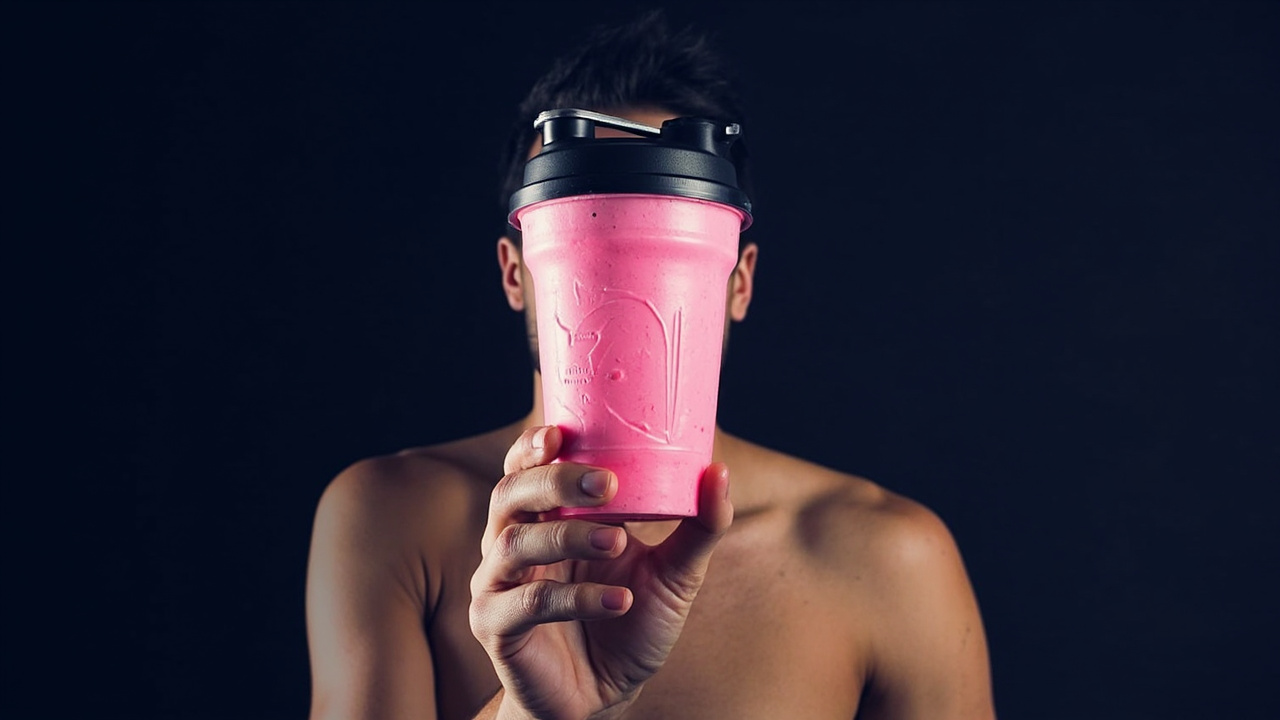
Okay, Let's Be Real For a Second
Raise your hand if you've ever bought a tub of protein powder with the best intentions, used it maybe three times, and then let it collect dust in your pantry because drinking it felt like a punishment. Yeah. Same.
I've been there. We've all been there. Protein shakes have this reputation for being, well, kinda gross. Chalky, gritty, with this weird aftertaste that lingers way longer than you'd like. And if you're someone who actually needs to drink these things — whether you're trying to build muscle or just trying to maintain your strength as you get older — that gross factor becomes a real barrier.
But here's some genuinely exciting news: scientists might have just cracked the code on making protein shakes actually pleasant to drink. And the fix is way simpler than you might think.
The Whey Science (Yes, I Went There)
Researchers from the University of Reading, Aberystwyth University, and Arla Foods Ingredients have been working on a project to improve whey protein — you know, that dairy-derived stuff hanging out in your gym shakes and sports supplements.
Their approach? Instead of changing the protein itself, they decided to mess with how the protein gets processed. Specifically, they developed a technique using carefully controlled pressure to push liquid whey through a fine membrane. This allowed them to concentrate a particular protein called alpha-lactalbumin (which is also highly valued in infant formula, fun fact).
The result? They created a whey protein with enhanced texture qualities — more than twice the typical concentration of alpha-lactalbumin, to be exact.
The Plot Twist: Better Texture, Worse Taste
So here's where things get interesting. The researchers had a trained sensory panel (basically a group of people specially trained to evaluate food and drink) test out their new-and-improved whey protein.
The good news? The texture was noticeably better. The panel detected smoother characteristics and less friction in the mouth — basically, it felt more pleasant to drink. Progress!
But there was a catch. The panel also picked up on stronger bitter and peppery flavors. Ugh. Just when we thought we were winning.
Here's Where It Gets Really Clever
Instead of throwing up their hands and calling it a day, the researchers dug deeper to figure out what was causing those unwanted flavors. And here's the twist: it wasn't the protein at all.
The culprit? Minerals that were getting concentrated during the processing stage.
Once they identified this, they went back to the drawing board and modified their filtration process to remove those concentrated minerals. And voila — problem solved. The enriched whey protein kept its smooth, pleasant texture while achieving taste characteristics that were right on par with the original stuff.
Why This Matters More Than You Think
I know what you're thinking: "Cool science, but why should I care?"
Here's the thing: for a lot of people, protein supplementation isn't optional. Whether you're an athlete trying to build lean muscle, someone recovering from an injury, or an older adult just trying to maintain your strength, getting enough protein is genuinely important. And for some people, drinking a protein shake is the most practical way to hit those numbers.
But when something tastes bad, people don't stick with it. That's just human nature. So anything that makes these drinks more palatable could actually help people follow through on their nutrition goals — which is a pretty big deal in my book.
Holly Giles, the lead author of the study, put it well: "The research findings give us clear directions to investigate to make protein drinks more palatable and nutritious, which could make a real difference to people who rely on them."
The Bottom Line
This research is still in the early stages, but it's promising. Scientists now have a much clearer picture of how both the proteins and minerals in whey affect the way it tastes and feels. And that knowledge could eventually lead to protein supplements that don't make you grimace.
So maybe, just maybe, those dusty protein tubs of the past could become a thing of the past. (Pun absolutely intended.)
Here's hoping.
Source: ScienceDaily