
Markdown formatted blog content
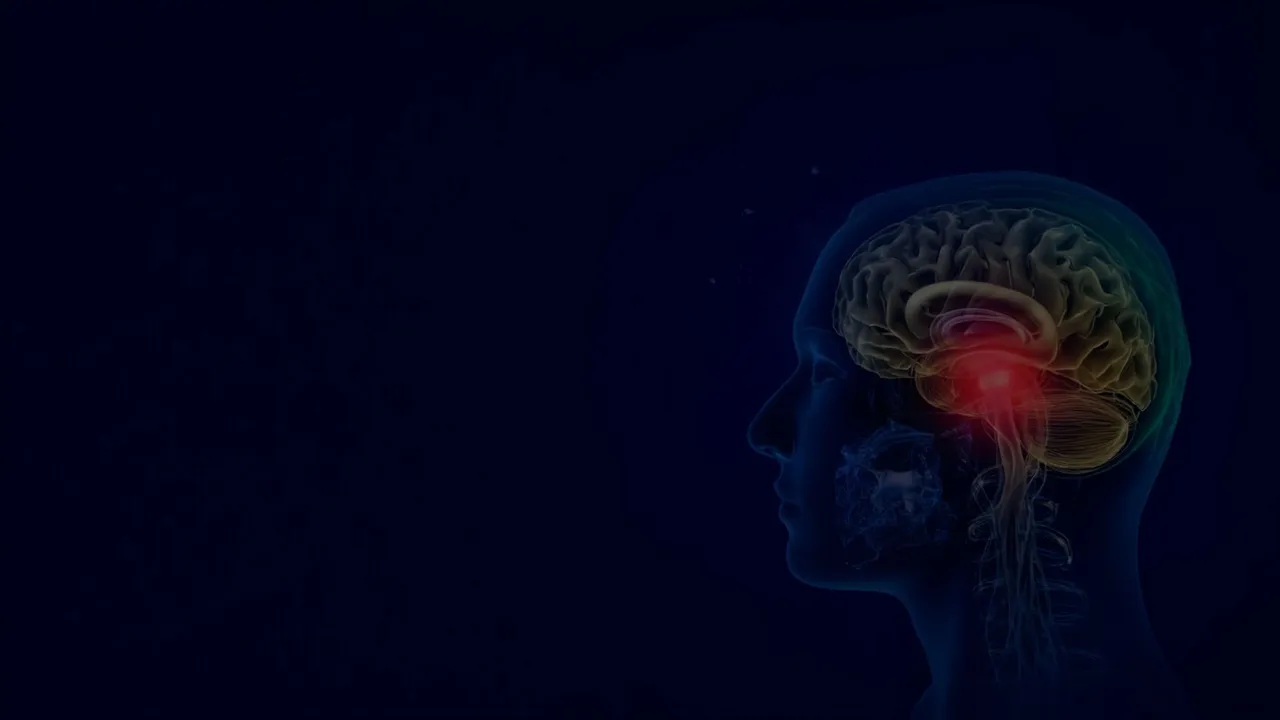
So, What's Actually Happening in a Parkinson's Brain?
Let me start with the basics. If you've ever wondered what goes wrong in a Parkinson's brain, here's the simple version: something gets disrupted in how brain cells talk to each other. That breakdown causes those telltale tremors, stiffness, and movement difficulties that millions of people deal with every day.
But here's where it gets interesting. Scientists have been using a treatment called deep brain stimulation (DBS) for years now — it involves planting tiny electrodes deep inside the brain to zap specific areas with mild electrical pulses. And honestly? It works pretty well for many patients. But here's the thing: nobody really understood why it worked so well. We just knew it did.
Until now, that is.
The Discovery That Changes Everything
A team of researchers from some pretty prestigious institutions — University Hospitals of Cologne and Düsseldorf, Harvard Medical School, and Charité Berlin — just published findings in the journal Brain that made me genuinely excited. And I'm not even a brain scientist!
They found that DBS works by hitting a very specific brain network that communicates primarily through something called a "beta rhythm" — specifically, a faster version running at 20 to 35 Hz. Think of it like this: your brain has different "channels" it uses to send messages, and it turns out this particular channel is crucial for treating Parkinson's motor symptoms.
What's really groundbreaking here is that the researchers — led by Professor Dr. Andreas Horn from the University of Cologne — managed to study both where the stimulation works and when it works, at the same time. Previously, scientists had to choose one or the other. It was like trying to understand a phone call by either only knowing where the phones were located, or only knowing the timing of the calls — but never both at once.
A Massive Brain Mapping Project
The team didn't mess around with their research methods. They studied 50 patients — that's 100 brain hemispheres — which is pretty substantial in the neuroscience world. They simultaneously recorded brain activity through the implanted DBS electrodes and used a technique called magnetoencephalography (MEG), which basically measures the tiny magnetic fields produced by brain activity.
What they discovered was fascinating: the subthalamic nucleus (a pea-sized structure in the brain that's a key target for DBS) connects with frontal areas of the brain using this specific fast beta frequency. And here's the really cool part — the strength of this connection actually predicted how well individual patients responded to treatment.
In other words, they found the communication channel that matters.
Why This Matters for Real Patients
Dr. Bahne Bahners, the first author from Düsseldorf University Hospital, put it this way: this rhythm acts like a communication channel between the subthalamic nucleus and the cerebral cortex, and it likely mediates the therapeutic effects of deep brain stimulation.
Let me translate that into plain English: they think this rhythm is basically the highway that DBS uses to send its beneficial signals through your brain.
So what does this mean for patients? Well, for one thing, it could help doctors fine-tune DBS settings more precisely, especially for people who haven't gotten good results from the treatment yet. Right now, figuring out the best settings can be a bit of trial and error. But with this new understanding? Doctors might be able to target the right network from the get-go.
My Take on This
I genuinely love stories like this because they remind us how far medical science has come. Twenty years ago, the idea of implanting electrodes in someone's brain to treat a movement disorder would have sounded like science fiction. Now we're not just doing it — we're figuring out the exact mechanisms that make it work.
What's particularly hopeful about this research is the focus on patients who don't respond optimally to DBS. Those are the people who've been left behind by current treatments, and this research could eventually help them most.
The researchers are already planning follow-up studies to investigate more directly how DBS causes changes within these brain networks. So this is really just the beginning of understanding this hidden rhythm.
For those of you who want to dig into the original research, you can find it here. And if you or someone you know is affected by Parkinson's disease, I'd encourage you to discuss these findings with a neurologist — especially if DBS is on the table as a treatment option.
Here's to more discoveries that help us understand the beautiful, complicated machine that is the human brain!