
Blog post with markdown formatting
Wait, There's a Fabric Made from Clams?
Okay, I need to tell you about something that sounds like it belongs in a fantasy novel but is very much real.
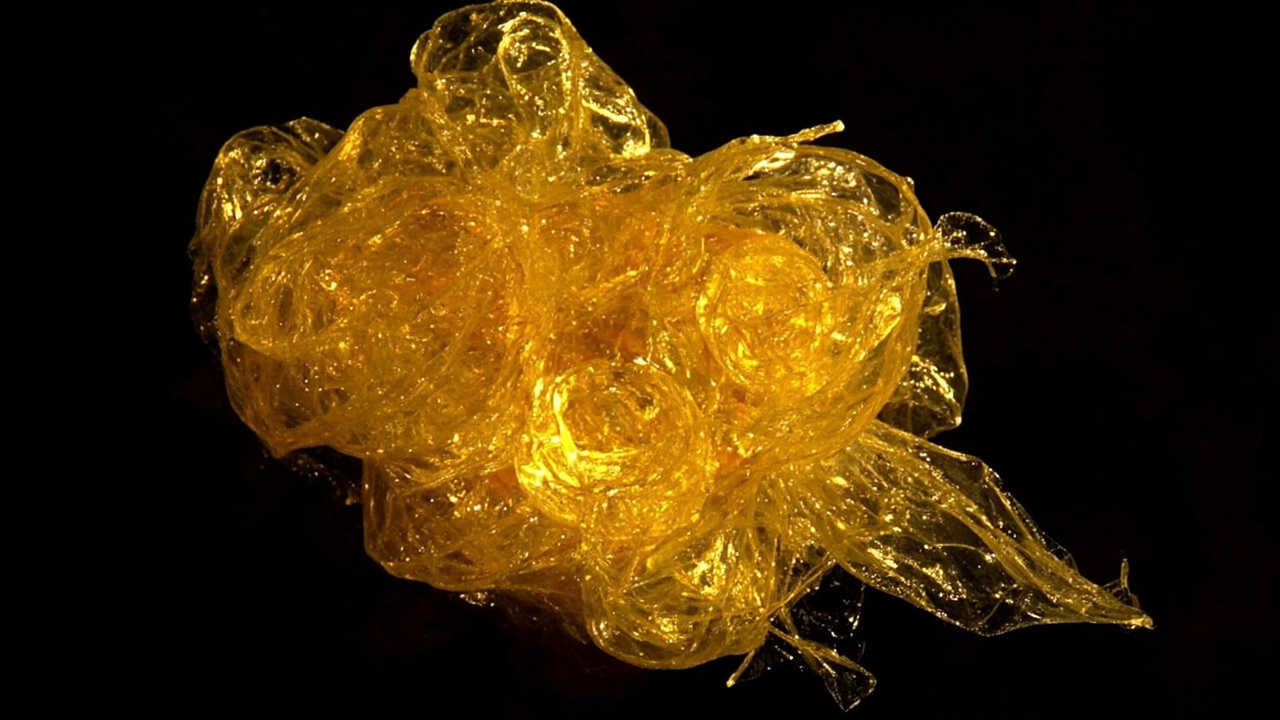
Imagine a fabric that glows like liquid gold, weighs almost nothing, and stays vibrant for centuries. A material so exclusive that only the most powerful people in history — Roman emperors, popes, royalty — could ever touch it. Something so rare and precious that most of us today have never even heard of it.
This is sea silk, and honestly? It's one of the most fascinating things I've learned this year.
The Legend That Disappeared
Sea silk (sometimes called byssus silk) was crafted from the threads produced by a Mediterranean clam called Pinna nobilis. These aren't your ordinary kitchen clams — they're big fellas, reaching up to a meter long, and they anchor themselves to rocky seafloors using these incredibly fine, golden threads.
For centuries, this was the luxury material. We're talking about fabric so prized that emperors wore it. There's even a famous religious relic in Italy called the Holy Face of Manoppello that believers think was made from sea silk — it's so fine that some say you can see through it.
But here's the sad part: over the last few decades, the clams that produce this magical fiber have been pushed toward extinction. Marine pollution, environmental changes, overharvesting — you name it. The European Union has completely banned harvesting Pinna nobilis. Real sea silk basically became a ghost, something only a tiny handful of artisans could produce in almost invisible quantities.
The legend was fading away. Literally.
Then Scientists Stepped In
Enter researchers at POSTECH in South Korea, and I genuinely love this story.
Professor Dong Soo Hwang and his team looked at a cousin of the Mediterranean clam — the pen shell (Atrina pectinata) — which is already farmed in Korean waters for food. These clams also produce byssus threads, and the researchers discovered something wonderful: the fibers are remarkably similar to their Mediterranean relatives, both physically and chemically.
So they figured, why not try processing these Korean pen shell threads into something that recreates that ancient sea silk?
And it worked. The team successfully created a golden fiber that mimics the look of the legendary material. Same shimmering appearance, same light weight, same durability.
But here's where it gets really interesting.
The Secret Behind the Glow
See, sea silk doesn't get its golden color from dye. There's no pigment being applied. The color comes from something called structural coloration — and once you understand it, you'll never look at a butterfly wing or a soap bubble the same way again.
The researchers discovered that sea silk contains tiny layered spherical protein structures they nicknamed "photonin." These microscopic structures interact with light in specific ways, bouncing it around and reflecting it back in a way that creates that iridescent golden shimmer.
Think about how a soap bubble looks rainbow-y and shimmery, even though it's just clear soap and water. Or how a butterfly's wing glows blue or purple without any paint. That's structural coloration — color created by physical structure rather than chemical dyes.
The wild part? Because the color comes from the arrangement of the proteins themselves rather than from something added on top, it doesn't fade. Conventional textiles are dyed — the color sits on the surface and slowly wears away. But sea silk generates its golden hue from within, from how the fiber is built at the molecular level.
This helps explain why thousand-year-old sea silk relics still look incredible today. The color isn't going anywhere because it's literally baked into the fabric's architecture.
This Is Actually a Big Deal for Sustainable Fashion
Here's where my inner环保 nerd gets excited.
The pen shell byssus threads that the researchers used? They're typically just thrown away as waste. The clams are harvested for food, and all those beautiful golden fibers get discarded.
Until now, that is.
The POSTECH team has essentially shown that we can take marine waste and turn it into one of the most beautiful, longest-lasting textiles imaginable. We're talking about a fabric with:
- Natural golden color that never fades
- No dyes or chemicals needed
- Lightweight and durable
- Made from stuff that was literally being thrown in the trash
Professor Hwang put it well: "Structurally colored textiles are inherently resistant to fading. Our technology enables long-lasting color without the use of dyes or metals, opening new possibilities for sustainable fashion."
Imagine a fashion industry where clothes don't fade, don't need toxic dyes, and are made from agricultural waste. That's the future these researchers are pointing toward.
Why This Story Stuck With Me
I love this story because it touches on so many things I find genuinely wondrous.
There's the historical dimension — the fact that ancient Romans were wearing something made from sea creatures that shimmers like gold. There's the scientific wonder of structural coloration, a phenomenon that reminds us nature is basically magic if you look closely enough. And there's the hopeful angle: that we can recover something precious that we thought we'd lost, using sustainable methods that don't harm already-endangered species.
Sea silk was a legend for 2,000 years, then basically vanished from the world. Now, thanks to some clever Korean scientists, it might be making a comeback — not as a symbol of emperors and popes, but as a genuinely sustainable material for the future.
And honestly? I think that's a better story than the original.