
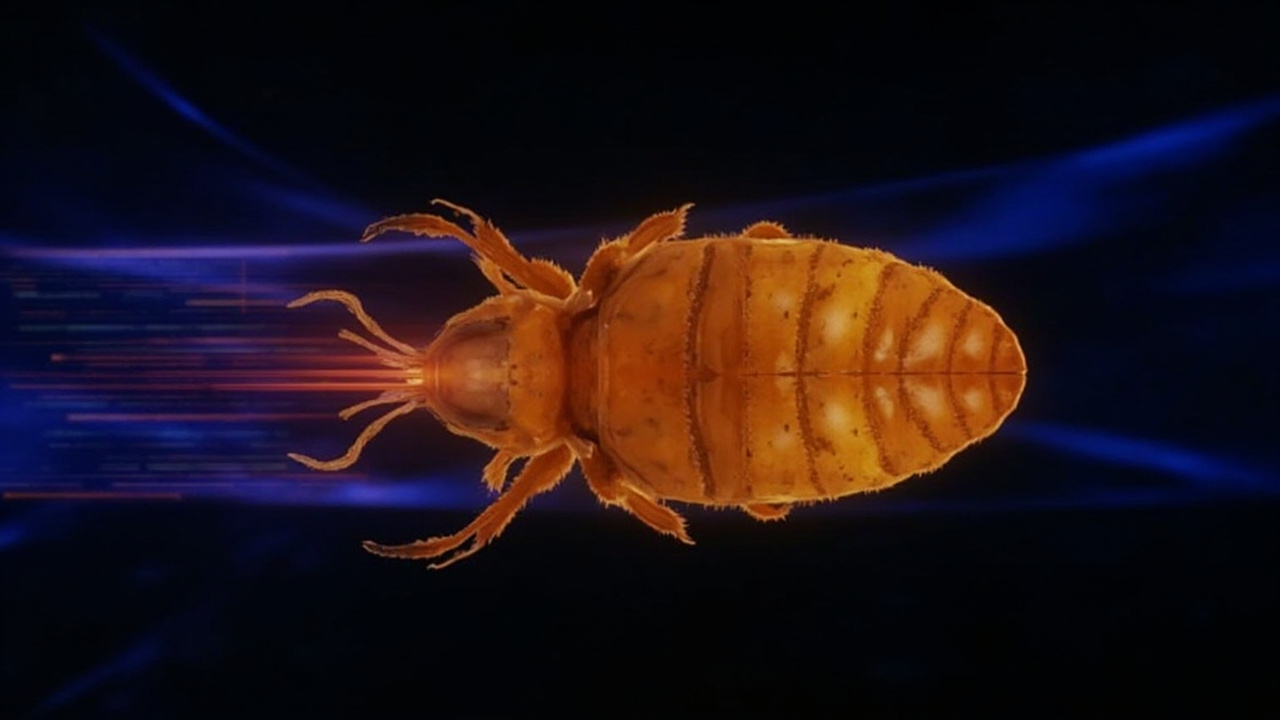
The Hidden Enemy in Your Walls
Let me be honest — termites are the worst kind of pest neighbor. They don't announce themselves. They don't swarm around where you can see them. Instead, they silently munch away inside your wooden structures, throwing a colony party in the walls while you're completely oblivious to the damage happening around you.
By the time most homeowners realize they have a termite problem, it's often too late. The damage is already done. And the traditional way to fix it? Tent your entire house and fumigate it with chemicals that make you wonder if you're living in a hazmat zone.
Well, scientists at UC Riverside just figured out something way smarter.
How Termites Become Their Own Worst Enemy
Here's the thing about termites that makes them different from us: we have skeletons on the inside. They have skeletons on the outside. Seriously. Their entire body is wrapped in this protective shell called an exoskeleton, which is made mostly of chitin — the same tough material you find in squid beaks and fish scales.
This design is actually genius for a termite. It protects them, supports their muscles, and keeps their body shape intact. But it has one fatal flaw: they have to ditch it and grow a new one to get bigger.
Over its lifetime, a drywood termite goes through this "molting" process about seven times. It's like shedding a suit of armor and building a new one. It's annoying, but it's completely necessary.
Researchers discovered that a chemical called bistrifluron messes with this entire process. It doesn't kill termites quickly with poison. Instead, it stops them from making the chitin they need to build their new exoskeleton. So when molting time comes around — and it has to come around — the termites try to shed their old shell but have nothing new to protect them. Game over.
Why This Is Actually Genius
Let me explain what makes this discovery genuinely clever, because it's not just the chemistry. It's the delivery method.
When termites eat wood treated with bistrifluron, they don't just absorb the chemical and keep quiet about it. Nope. They share food with other termites in their colony through something called trophallaxis — basically mouth-to-anus feeding (yeah, it's as charming as it sounds). This happens naturally in their hidden underground tunnels and wood galleries all the time.
In the lab tests, when researchers exposed just 5 percent of a termite colony to treated wood, the treatment eventually reached 100 percent of the colony. The chemical spread from one termite to another like gossip at a dinner party. Full colony collapse took about two months, which is slower than some traditional methods, but honestly? That's a fair trade-off.
The results were impressive: in controlled tests, bistrifluron achieved 95-99 percent mortality rates depending on the conditions.
The Real-World Win
Here's why this matters for actual homeowners (like maybe you):
Traditional termite fumigation is brutal. You have to pack up your life, bag all your food, leave your house, and hope the tent doesn't blow away in the wind. It's expensive, disruptive, and genuinely stressful. Plus, it doesn't prevent termites from coming back.
Bistrifluron could change that game. Instead of tenting your entire house and nuking everything in sight, you could potentially do spot treatments on infected wood. Apply the chemical to the problem area, let the termites do the work of spreading it themselves, and wait for the colony to collapse without turning your home into a chemical warfare zone.
And here's the kicker: bistrifluron is actually safer for humans and the environment than a lot of traditional termite killers. It's specific to insects because of how insect exoskeletons work. We have internal skeletons, so the chemistry that wrecks their armor-building process simply doesn't affect us.
The Realistic Expectations
Don't get me wrong — this isn't a magic bullet that's available at your local hardware store tomorrow. It's still being studied and tested. Scientists are still figuring out the best ways to use it in real homes, not just in laboratories.
But the foundation is genuinely promising. Researchers have already used similar chitin synthesis inhibitors on subterranean termites with success. Now they're proving it works on western drywood termites too, which are especially destructive in California and other parts of the country.
Nicholas Poulos, the doctoral student who led this research, summed it up perfectly: "This chemical is more environmentally friendly than ones traditionally used for drywood termite infestations. It's specific to insects and can't harm humans."
What's Next?
As pest control slowly evolves toward smarter, less toxic solutions, this discovery represents exactly the kind of innovation we need. It's not about creating the most aggressive poison possible. It's about understanding insect biology well enough to work with how their bodies function — and against them.
The termites have no idea what's coming. They'll keep doing their termite thing, sharing food, building colonies, and unknowingly spreading their own doom through the wooden galleries they call home.
And honestly? For homeowners tired of fumigation nightmares, that's pretty good news.