
Okay, I'll admit it — when I first saw the headline about this study, I thought it sounded like something out of a sci-fi movie. Gene therapy to reverse memory loss? In mice, sure, but still. That's the kind of thing that makes you pause and think about what the future might look like.
But here's the thing: this isn't just wild speculation. The research, published in the journal Neuron by scientists at the École Polytechnique Fédérale de Lausanne (EPFL) in Switzerland, is actually pretty remarkable when you dig into the details.
What's the Big Deal?
Let me break down what the researchers did in plain English (because trust me, the original scientific paper is dense).
The team focused on three genes — Oct4, Sox2, and Klf4 (they call them "OSK" for short). Previous research had already shown that targeting these genes could help reverse age-related conditions like glaucoma. So the scientists wondered: could the same approach work for memory?
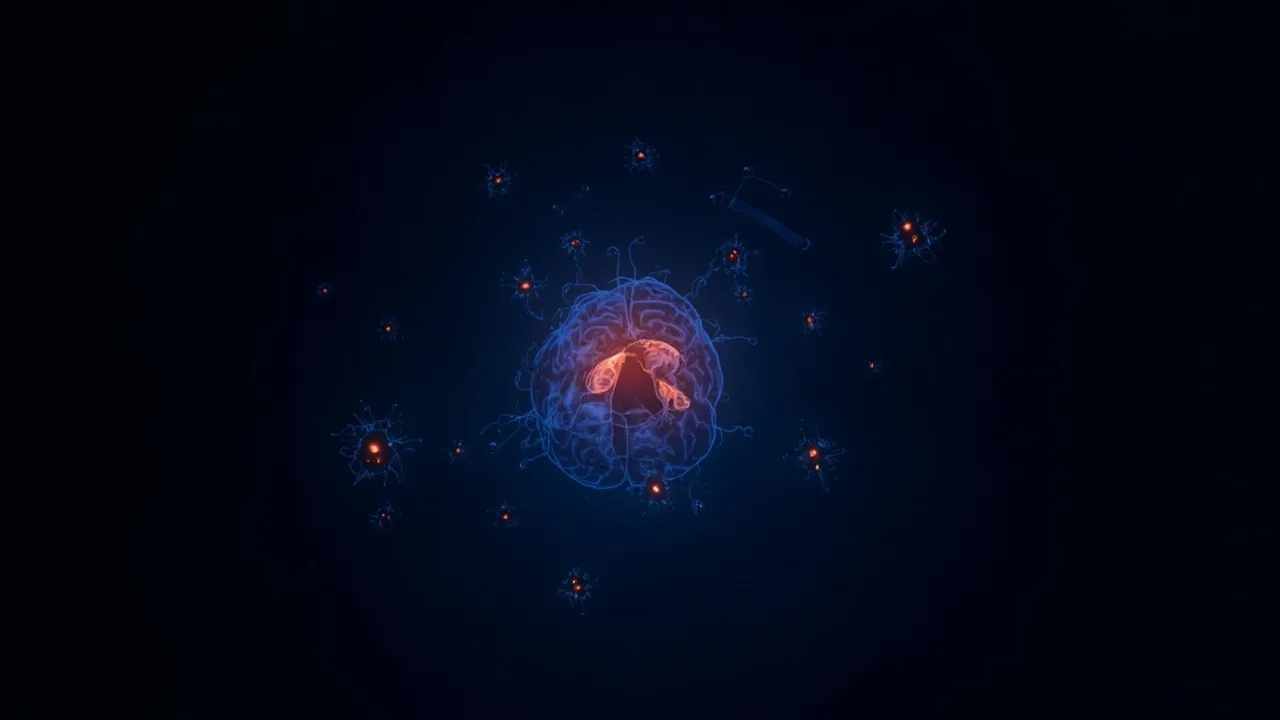
Here's where it gets clever. Instead of trying to reprogram the entire brain — which would be incredibly risky and probably cause more problems than it solves — they specifically targeted what's called engram cells. Think of these as the brain's memory storage units. When you form a memory, groups of neurons link together to hold onto that information. Engram cells are those specific neuron groups.
The researchers engineered a virus that could deliver OSK to these memory cells and activate them in controlled, quick pulses. This isn't like flipping a switch and hoping for the best — it's more like sending a gentle reminder signal to these cells, nudging them back toward a more youthful state.
The Results Were... Remarkable
After treatment, the mice showed some seriously impressive improvements. Memories that had become harder to access — including ones formed weeks earlier — suddenly became accessible again. In the hippocampus (the brain region crucial for learning and short-term memory), the treated mice performed similarly to much younger control groups.
But here's the part that really got me: according to the researchers, the memory itself isn't deleted. It's more like the "hardware" holding that memory gets refurbished. The neurons become young and flexible again, and suddenly the brain can access information it couldn't before.
As Nik Papageorgiou from EPFL put it: "The memory itself isn't deleted; instead, the 'hardware' (the neurons) holding that memory is refurbished. By making the neurons young and flexible again, the brain can once again access and process those memories as if it were decades younger."
How cool is that?
Why This Matters for Real People
Now, I know what you're thinking: "Great, they helped some mice remember things better. What does this have to do with me or my grandma?"
Here's why this could be revolutionary: current treatments for Alzheimer's and other forms of dementia focus on managing symptoms or slowing progression. But this research suggests something different. It suggests that memory decline might not just be about losing neurons — it's about those neurons becoming too "old" to function properly.
If that's true, it opens up an entirely new way of thinking about treatment. Instead of accepting that lost memories are gone forever, we might be able to rejuvenate the cells that hold those memories and restore function.
Let's Keep Our Expectations Real
I want to be honest here: we're still very early in this research. This was a mouse study, and mice aren't humans. The path from laboratory discovery to actual treatment is long, winding, and full of setbacks.
There are still massive questions to answer. How do we deliver this therapy safely in humans? What are the long-term effects? Could there be unintended consequences of reprogramming brain cells?
These are important questions, and the scientists themselves acknowledge there's much more work to be done before this could ever reach clinical application.
But Still... This Is Exciting
Despite the caveats, I think this research represents something genuinely important: a shift in how we think about memory and aging.
For so long, the story around dementia and cognitive decline has been one of inevitable loss. You lose neurons, you lose memories, you lose yourself — and there's nothing anyone can do about it.
This research suggests that story might not be complete. What if neurons aren't just "dying off" in dementia? What if they're just... getting old and tired? And what if we could refresh them?
That's a fundamentally different way of looking at the problem, and even if this specific approach doesn't pan out, it could point researchers in entirely new directions.
The Bottom Line
So what should you take away from this? I think it's simple: science is making progress on some of our most frightening health challenges, and sometimes that progress comes from unexpected directions.
We're not going to cure Alzheimer's next year. We're probably not even going to see human trials of this specific approach for quite some time. But we're learning, we're experimenting, and we're gaining new understanding.
And honestly? That gives me hope. Not false hope, not blind optimism — just the quiet confidence that comes from watching smart people ask good questions and find remarkable answers.
I'll be keeping an eye on this one. You should too.
Source: Popular Mechanics