
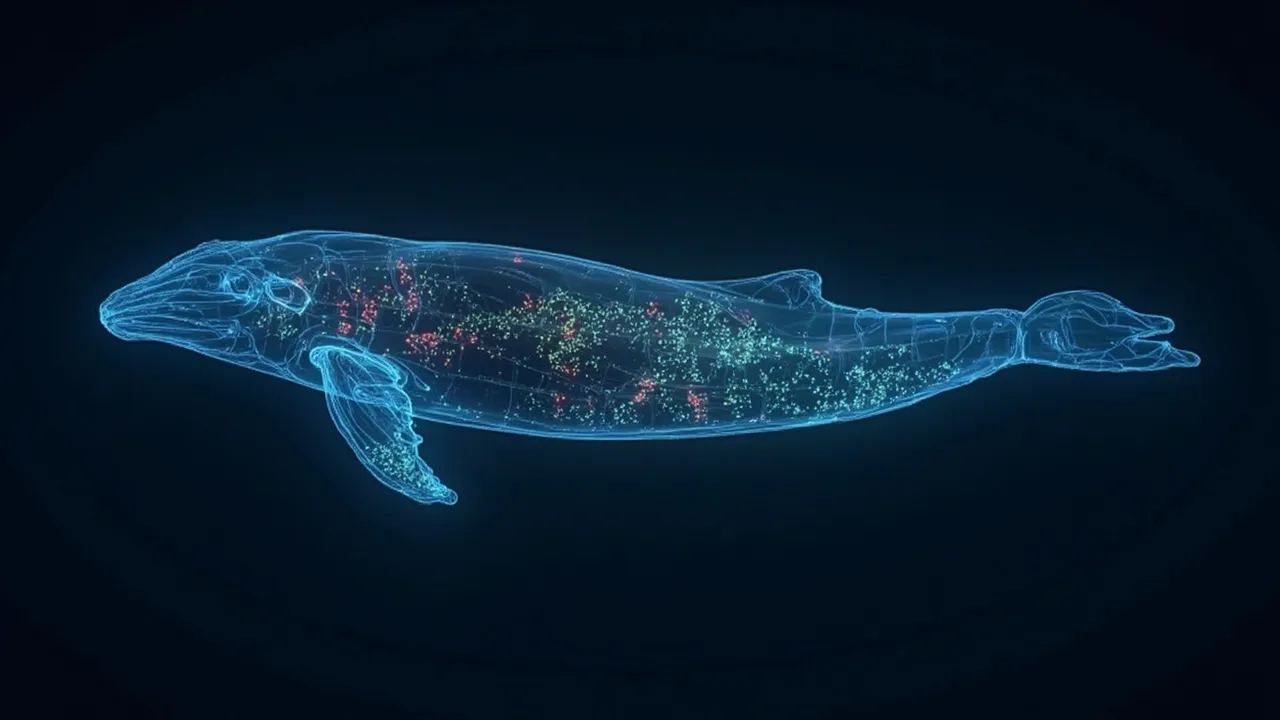
Okay, confession time: I had no idea pygmy sperm whales existed until I stumbled across this research, and now I'm completely obsessed with them. These little guys (well, little for a whale — they're still about 10 feet long) are basically the introverts of the ocean. They live far offshore, dive deep, stay quiet, and rarely show their faces at the surface. Scientists have basically had to piece together everything they know from dead whales that wash up on beaches.
The Mystery Whale
Imagine trying to study an animal you almost never see in the wild. That's been the challenge with pygmy sperm whales for decades. They're not exactly lining up for research boats or performing breaches for tourists. Most of what marine biologists know comes from strandings — particularly along the southeastern United States, where these whales seem to wash ashore more than almost any other large marine mammal.
Researchers at Florida Atlantic University's Harbor Branch have been responding to these strandings for over 20 years. During that time, they've performed necropsies (that's the animal version of an autopsy) on dozens of pygmy sperm whales. And here's where things get interesting: many of these whales had stomach ulcers.
The Unwanted Guests
When scientists took a closer look at the stomach tissues, they found spiral-shaped bacteria hanging out in there. Specifically, they discovered three brand-new genotypes of Helicobacter — a bacterial family that's famous for causing ulcers and digestive problems in humans. They named these newcomers Kogia Helicobacter 1, 2, and 3 (Kogia is the genus name for pygmy sperm whales).
What's particularly fascinating is that two of these bacteria are genetically similar to Helicobacter species found in dolphins, porpoises, and even humans. But the third one — Kogia Helicobacter 3 — is a total outlier. It's so genetically different that it suggests there are probably a ton of undiscovered bacteria lurking in the ocean that we haven't even found yet.
What Does This Mean for the Whales?
Here's where things get a little sad. All four whales that tested positive for these bacteria also had clear signs of gastrointestinal disease — gastritis, ulcers, tissue scarring, and even signs of inflammation beyond just the stomach. One whale had colitis as well, suggesting the infection might spread.
Now, the researchers are quick to point out that they can't say for certain that these bacteria caused the whales' deaths. But the pattern is hard to ignore. These animals were sick, and these bacteria were present. The connection seems pretty significant.
Why Should We Care?
Here's the thing that really got me about this research. Pygmy sperm whales are already considered data-deficient — which is scientist-speak for "we basically know nothing about how healthy their populations are." If chronic Helicobacter infections are contributing to illness in these animals, it could have ripple effects across entire populations.
Think about it: if these mysterious whales are dealing with the same kind of stomach troubles that have plagued humans for centuries, and they're already difficult to study and protect, that's a real conservation concern. These infections could be affecting their ability to thrive, reproduce, or survive — especially for a species that's already vulnerable.
And honestly? The fact that we keep discovering entirely new types of bacteria in the ocean just reminds me how much we don't know about our own planet. We've mapped more of Mars than we have of our ocean floor. Every time scientists look closely at marine life, they find something completely new. That's both humbling and a little bit exciting.
The Bigger Picture
This research is a reminder that the ocean isn't just a big blue void out there. It's a complex ecosystem full of microbes, parasites, and diseases that we barely understand. And just like us, whales can get sick from bacterial infections that cause chronic pain, ulcers, and long-term health problems.
The researchers aren't done yet — they'll need to do more testing to understand how widespread these bacteria are and whether they're actually contributing to strandings. But for now, this discovery has opened up a whole new avenue of research into the health of one of the ocean's most enigmatic creatures.
I don't know about you, but I'm suddenly very invested in learning more about these shy, deep-diving whales. The ocean is full of secrets, and this is just one small piece of a much bigger mystery.
Source: ScienceDaily, July 2026